
Lednice or Valtice? How to Plan Your UNESCO Wine Country Day
Ivo Salay • October 1, 2026
Lednice or Valtice? How to Plan Your UNESCO Wine Country Day
The short answer: if you only have time for one, choose Lednice for the fairy-tale château, the gardens and the Minaret, or Valtice for the Baroque castle and the national Wine Salon in its cellars. But the two are close together and part of the same UNESCO cultural landscape, so on a private day trip you can comfortably see both.
One UNESCO landscape, two very different castles
The Lednice-Valtice Cultural Landscape was inscribed on the UNESCO World Heritage List in 1996. It was shaped by the Liechtenstein family over centuries and covers a huge area of castles, parks, ponds and follies, so the landscape is as much the attraction as the buildings. A 7 km (4.3 mile) landscape avenue, built in 1715, connects Lednice and Valtice.
Lednice: the romantic château and gardens
Lednice Castle was redesigned between 1846 and 1858 in the Tudor Gothic Revival style, which was then called the
Old English style. The grounds include a Palm House (greenhouse), gardens and the oriental Minaret, a Moorish-style tower in the park. If you like photography and walks, this is the side of the day to give more time.
Valtice: the Baroque castle and the wine
Valtice Castle was expanded in the late Romanesque style in the first half of the 13th century and later rebuilt in the Baroque style by Charles I, Prince of Liechtenstein. Its cellars host the Wine Salon of the Czech Republic, the permanent tasting exhibition run by the National Wine Centre. It is a good stop for anyone curious about Czech wine, and it pairs well with our Moravian wine guide.
Hours and admission change each year, so always check the official sites before you go.
How to combine them in one day.
A well-paced day looks like this: Start with a morning walk at Lednice, spend time in the gardens and see whichever interiors are open, then drive to Valtice for lunch and a tasting. If time allows, finish in the hilltop town of Mikulov.
Our Wine & UNESCO Gems Tour covers Lednice, its gardens, the Palm House and the Minaret, then continues to Mikulov and includes tastings in traditional cellars. Our itinerary is flexible and adapted to your interests and fitness level.
Good to know: entrance fees to indoor attractions such as castles are not included in the tour price and are paid separately. We can help with advance booking on request. The tour is suitable for people who are comfortable with light walking and can get in and out of the vehicle independently. It is not wheelchair or stroller accessible.
Going deeper
Read our full Lednice-Valtice day trip guide for a step-by-step plan.
Prefer an audio guide? Find it on our audio guides page.
Frequently asked questions
Is Lednice Castle or Valtice Castle better?
Lednice is known for its Tudor Gothic Revival château, gardens and Minaret, while Valtice is a Baroque castle with the Wine Salon of the Czech Republic in its cellars. They are close together, so you can visit both in one day.
When was the Lednice-Valtice landscape listed by UNESCO?
It was inscribed on the UNESCO World Heritage List in 1996.
Can I visit Lednice castle in winter?
Some parts stay open in the shoulder season, but the private princely apartments close from November 1 to March 31 and the Minaret closes from November 2 according to the 2026 schedule. Check the official site for current hours.
Are castle tickets included in your private tour?
No. Entrance fees to indoor attractions are paid separately, and we can help with advance booking on request.
How far apart are Lednice and Valtice?
They are neighboring places in the same UNESCO landscape, connected by a landscape avenue that is about 7 km (4.3 miles) long, so they are easy to visit on the same day.

Czechia uses the koruna, not the euro. Learn how cards, cash and tipping work, plus practical tips for your tour in Brno and South Moravia.
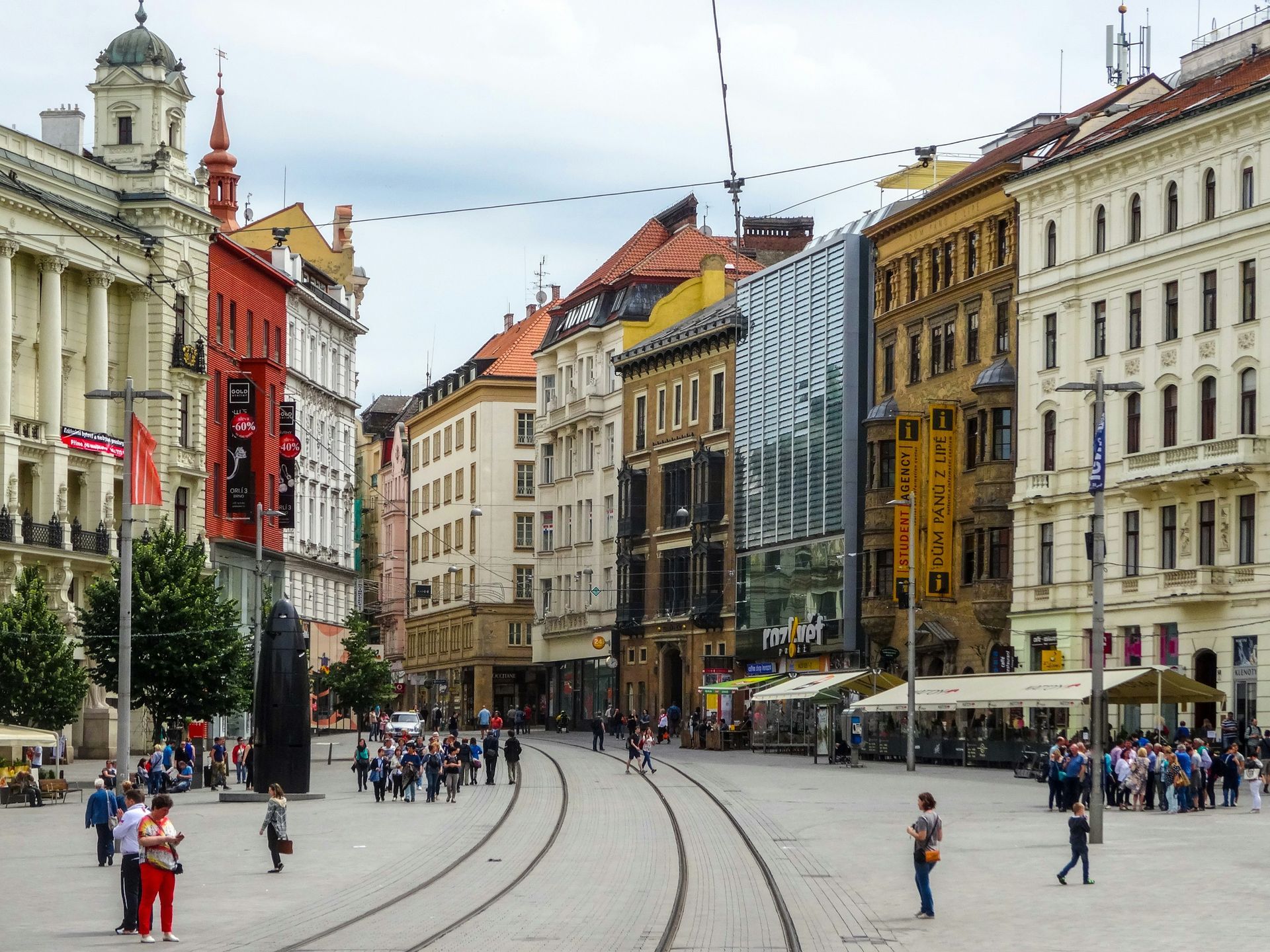
Kraków to Brno is about 340 km by road and there is no direct train. See travel times, stops worth making and how a private transfer compares.
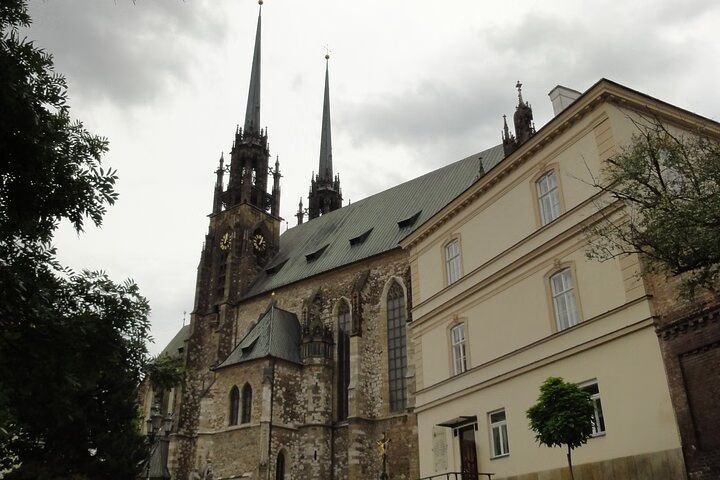
Plan one day in Brno: the dragon at the Old Town Hall, the astronomical clock at 11:00, the ossuary, Špilberk Castle and Villa Tugendhat.
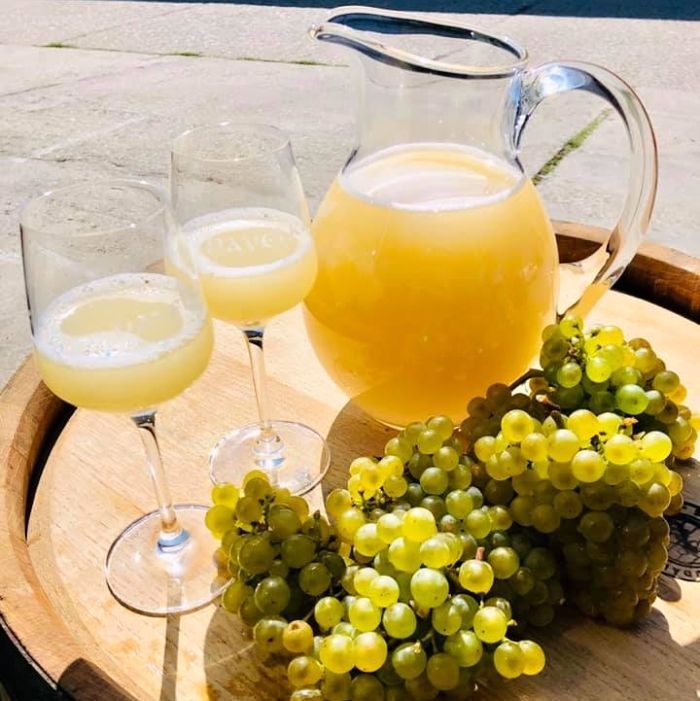
Burčák is Moravia's partly fermented young wine, sold only from August 1 to November 30. See what it tastes like, how to drink it and where to try it.
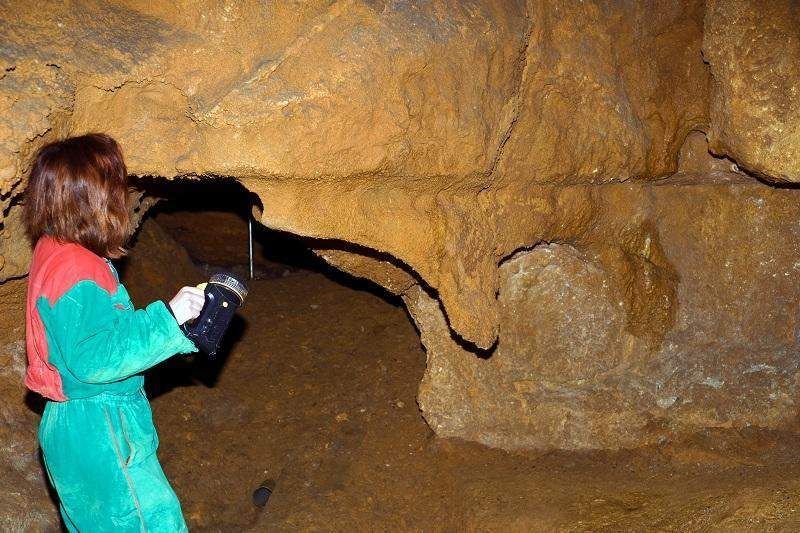
Five cave systems are open to visitors in the Moravian Karst. Compare Punkva, Balcarka, Kateřinská
and others, and see how to fit them into one day.
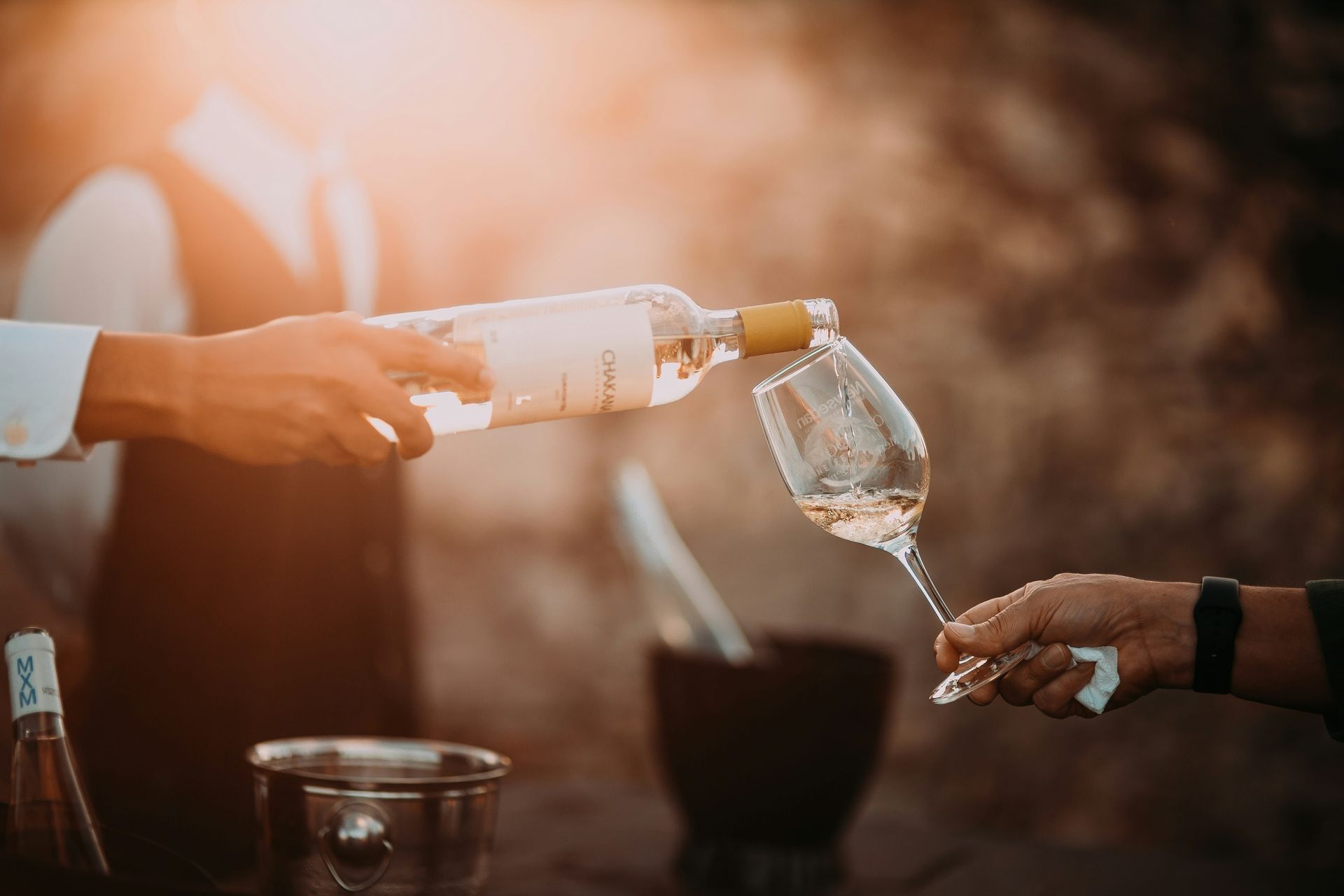
Group tasting Moravian wine in a traditional cellar
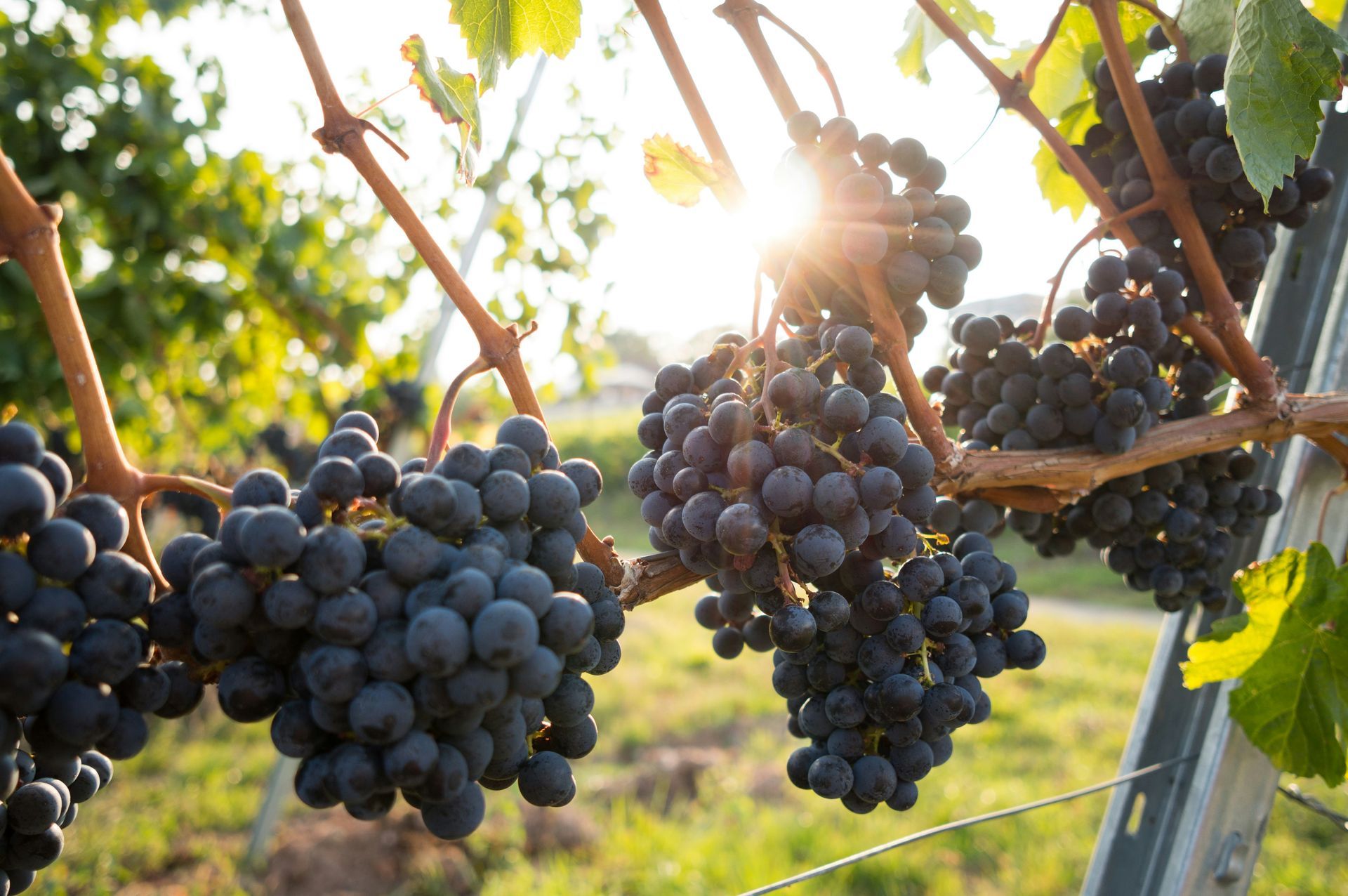
Moravia grows about 96% of Czech wine. Learn the four subregions, the grapes to try, from
Grüner Veltliner to Pálava, and how to taste them on tour.
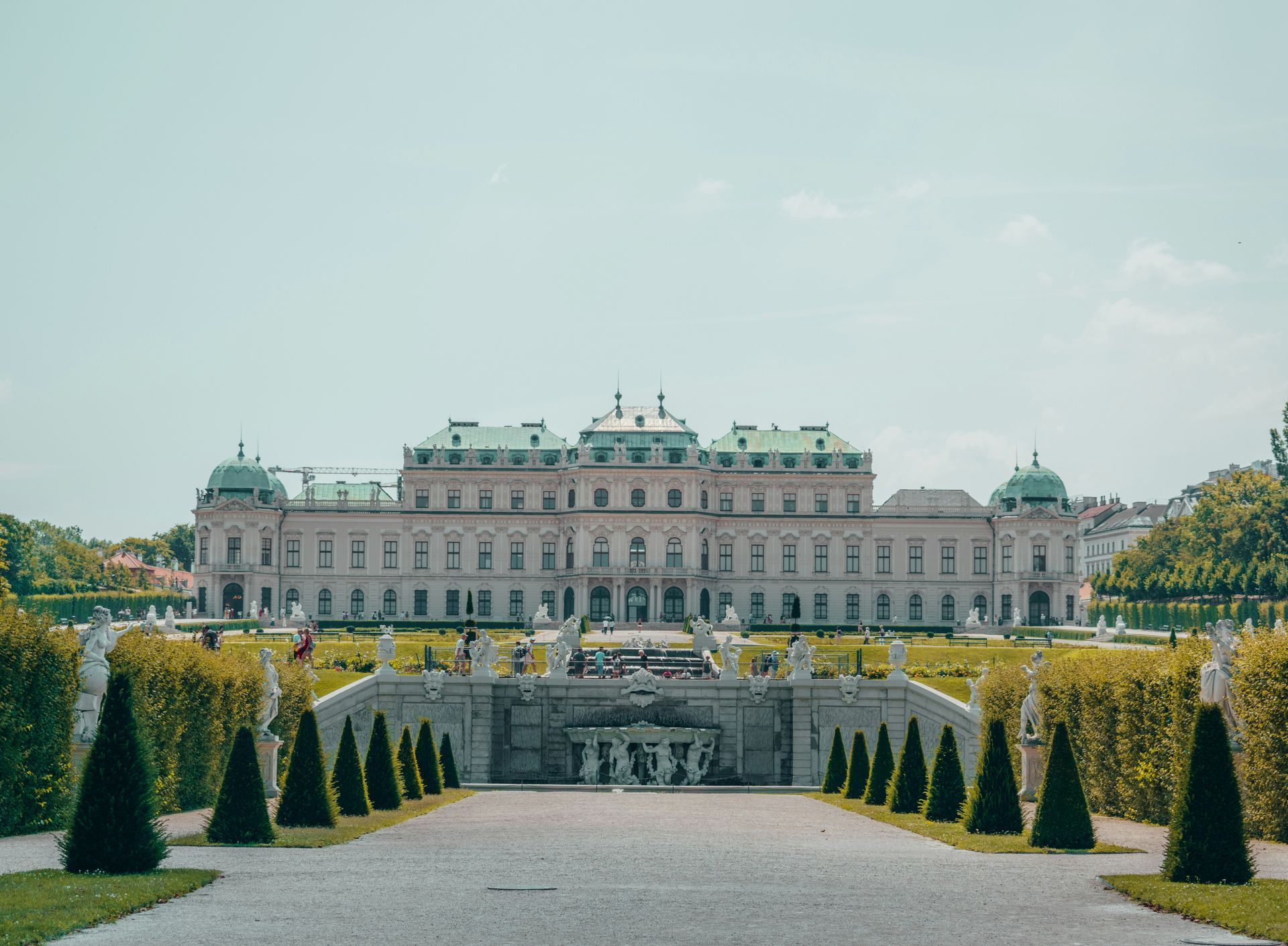
Brno to Vienna is about 1.5 hours by train and 1.5–2 hours by road. Compare the train with a
private door-to-door transfer and choose what fits your trip.
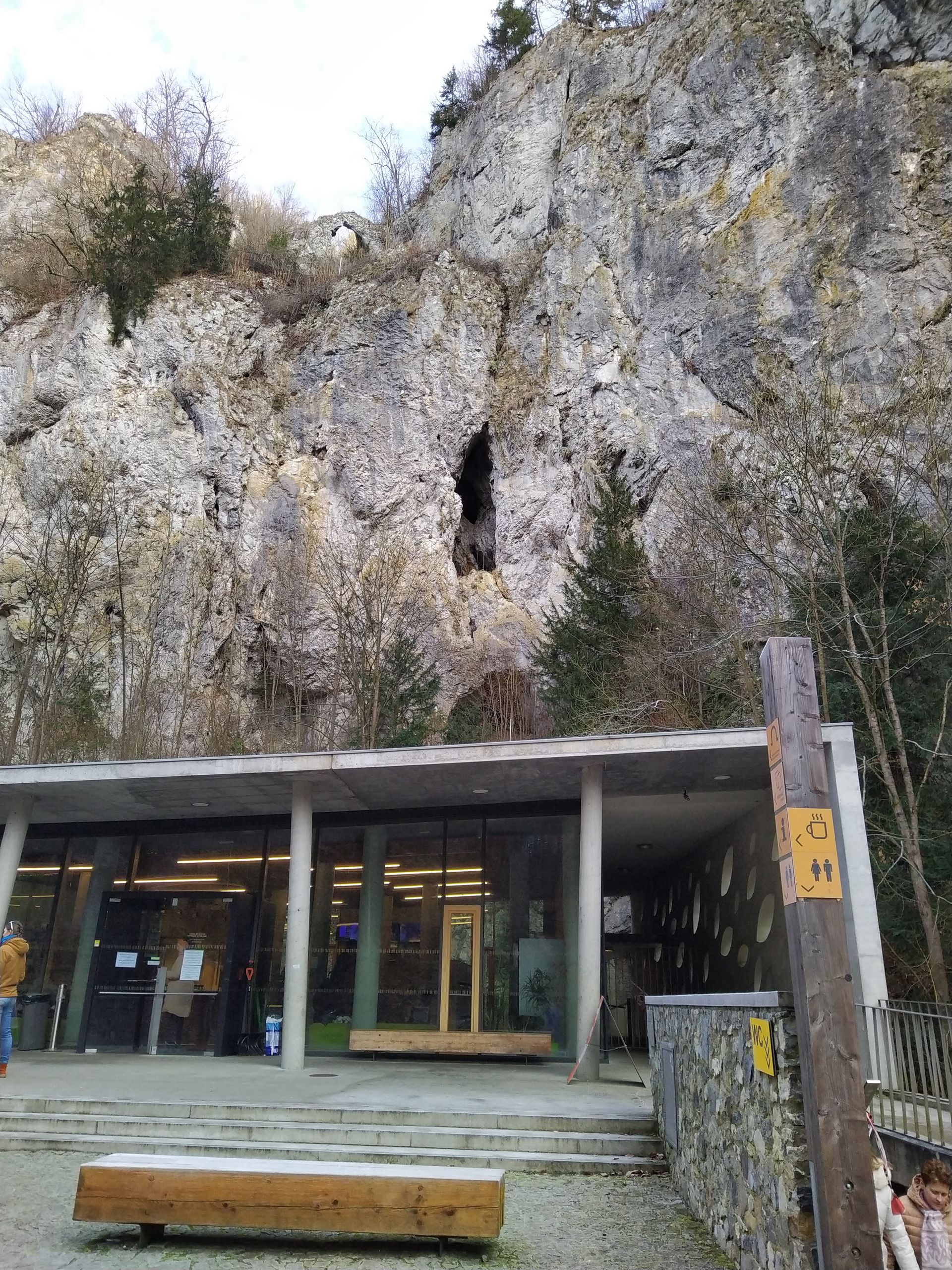
Everything to know before visiting the Punkva Caves and Macocha Abyss in the Moravian Karst: the underground boat ride, the abyss depth, booking tips and how to get there from Brno.
Brno's underground: Europe's second-largest ossuary at the Church of St James, and the Baroque Labyrinth under the Vegetable Market. What to see and how to visit both.