
BLOG
Ivo Salay • September 24, 2026
Moravian Wine 101: Grapes, Regions and What to Drink
The short answer: Moravia, in the east of the Czech Republic, grows around 96% of the country's grapes, and most
of them are white. If you are new to Moravian wine, start with Grüner Veltliner (the most planted grape in the
country), then try Riesling, Pálava and a red made from Frankovka (Blaufränkisch) or Saint Laurent.
Where Czech wine comes from
The Czech Republic has about 18,000 hectares of vineyards, and around 71% of that area is planted with white
varieties. Moravia accounts for roughly 96% of the country's vineyards, while Bohemia has a small remainder. The
Moravian wine region is divided into four subregions:
Mikulov (Mikulovská): named after the town of Mikulov, this subregion has the most extensive vineyards.
Slovácko (Slovácká): the subregion with the largest number of wine-producing villages and growers.
Velké Pavlovice (Velkopavlovická): another major area in the south.
Znojmo (Znojemská): in the southwest of the wine country.
Our private tours from Brno cover South Moravia's wine country. Read our guide to the best wine tastings near
Brno and to Mikulov, Moravia's wine capital for places to visit.
The grapes to know
According to the National Wine Centre in Valtice (figures as at the end of 2018), the six most planted varieties each
cover more than 1,000 hectares and together make up almost half of Czech vineyards.
Grape (Czech name) Share of vineyards What to expect
Grüner Veltliner (Veltlínské zelené) 9.2% (1,654 ha), the most planted Fresh, zingy whites with soft muscattones; older bottles show white pepper and almond notes
Müller-Thurgau 8.3% (1,499 ha), second Light, lively whites with notes of nettle, peach and citrus
Riesling (Ryzlink rýnský) 7.4% (1,342 ha) Fruit, mineral and sometimes smoky notes; apricot, linden flower and quince
Welschriesling (Ryzlink vlašský) 6.5% (1,168 ha) Fresh, balanced whites; often the basefor sparkling wines
Frankovka (Blaufränkisch) 6.0% (1,079 ha), the top red Dark ruby, velvety in good years, with blackberry and spice
Svatovavřinecké (Saint Laurent) 5.8% (1,054 ha) Deep crimson reds with sour cherry and plum jam notes
Two more to look for: Pálava and Moravian Muscat. The Wine Centre lists Pálava, Moravian Muscat and Aurelius
among the best-known local new crossings for white wines, and André, Cabernet Moravia and Neronet for reds.
Moravian Muscat was originally developed in Moravia and gives delicately aromatic wines with tangerine and
orange notes.
How to read a Czech wine label
Czech labels use the local grape names above, so you will see Ryzlink rýnský for Riesling and Rulandské šedé for
Pinot Gris. Sweetness is normally shown in Czech as suché (dry), polosuché (medium dry), polosladké (medium sweet)
or sladké (sweet). When in doubt, ask the winemaker to pour a dry example first.
Burčák and St. Martin's wine
Two seasonal drinks are worth planning around. In September you will see burčák, a partially fermented young
wine. Then on November 11, Czechs open St. Martin's wine (Svatomartinské), the first young wines of the new
harvest. VisitCzechia says the first bottles open at exactly 11:11 a.m., and the tradition is to pair them with roast
goose. The wines are fresh and fruity, and the National Wine Centre calls the young Saint Laurent released on this
day the "Czech answer to Beaujolais Nouveau". To be sold as St. Martin's wine, a wine must be made in the Czech
Republic from specific grape varieties and pass an independent tasting.
Where to taste
- The Wine Salon of the Czech Republic in Valtice: a permanent tasting exhibition in the cellars of Valtice Castle,
run by the National Wine Centre, where you can taste wines from the national competition. It is open year-
round except January and closed on Mondays; check the official page for current hours and prices.
- Family cellars around Mikulov and the Lednice-Valtice area: our private Wine Culture and UNESCO Gems
tour includes tastings of Moravian wines in traditional cellars. Our Lednice-Valtice day trip guide explains the
rest of the day.
Czechia has zero tolerance for alcohol behind the wheel, so wine tasting and driving do not mix. A private driver is
the easy solution.
Plan your Moravian wine day
Ready to taste? See our private tours from Brno or read the seasonal guide to Brno and South Moravia to choose
the best time for your visit.
Frequently asked questions
Which wine regions does Moravia have?
Moravia has four wine subregions: Mikulov, Slovácko, Velké Pavlovice and Znojmo. Mikulov has the most extensive
vineyards, and Slovácko has the most wine-producing villages and growers.
What is the most planted grape in the Czech Republic?
Grüner Veltliner (Veltlínské zelené) is the most planted, at 9.2% of vineyards according to the National Wine Centre's
data at the end of 2018.
What is Pálava?
Pálava is one of the best-known local white grape crossings developed in Czechia, listed by the National Wine
Centre alongside Moravian Muscat and Aurelius.
What is St. Martin's wine?
It is the first young wine of each harvest, released on November 11. VisitCzechia says the first bottles open at
exactly 11:11 a.m.
Is Czech wine mostly white?
Yes. About 71% of the vineyard area is planted with white varieties.
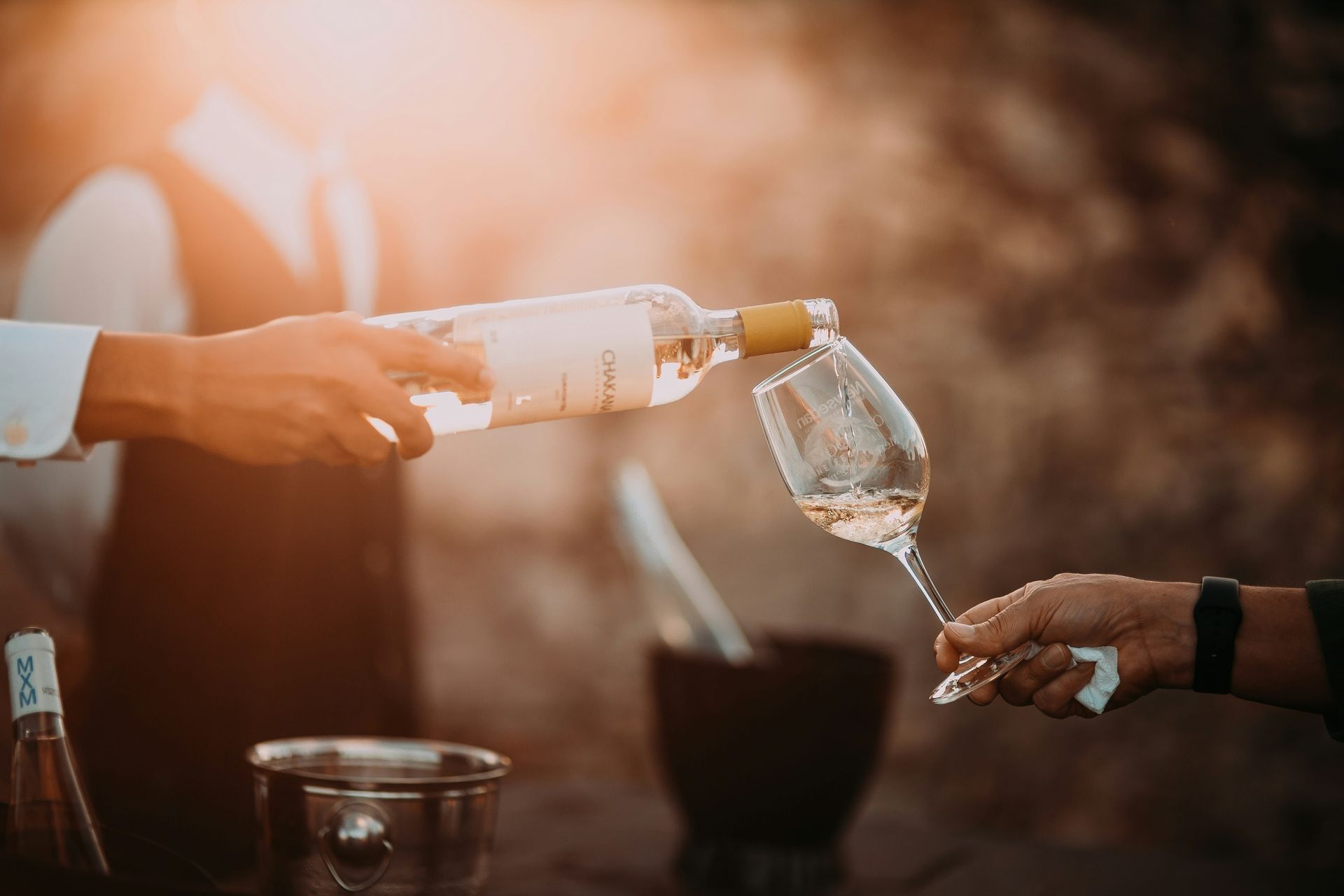
Group tasting Moravian wine in a traditional cellar
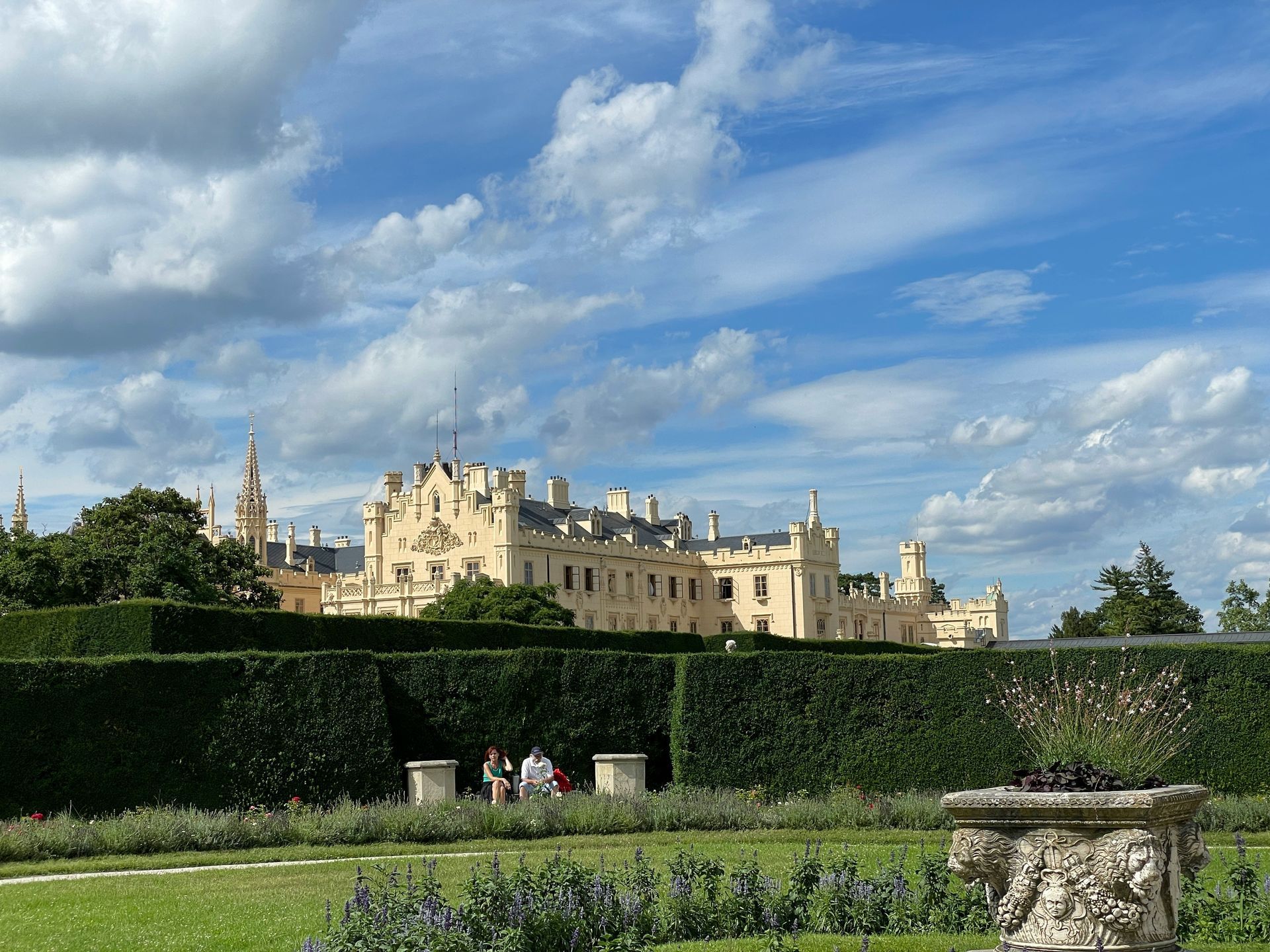
Lednice has the Tudor Gothic château and gardens; Valtice has the Baroque castle and the
national Wine Salon. See how to plan both in one relaxed day.
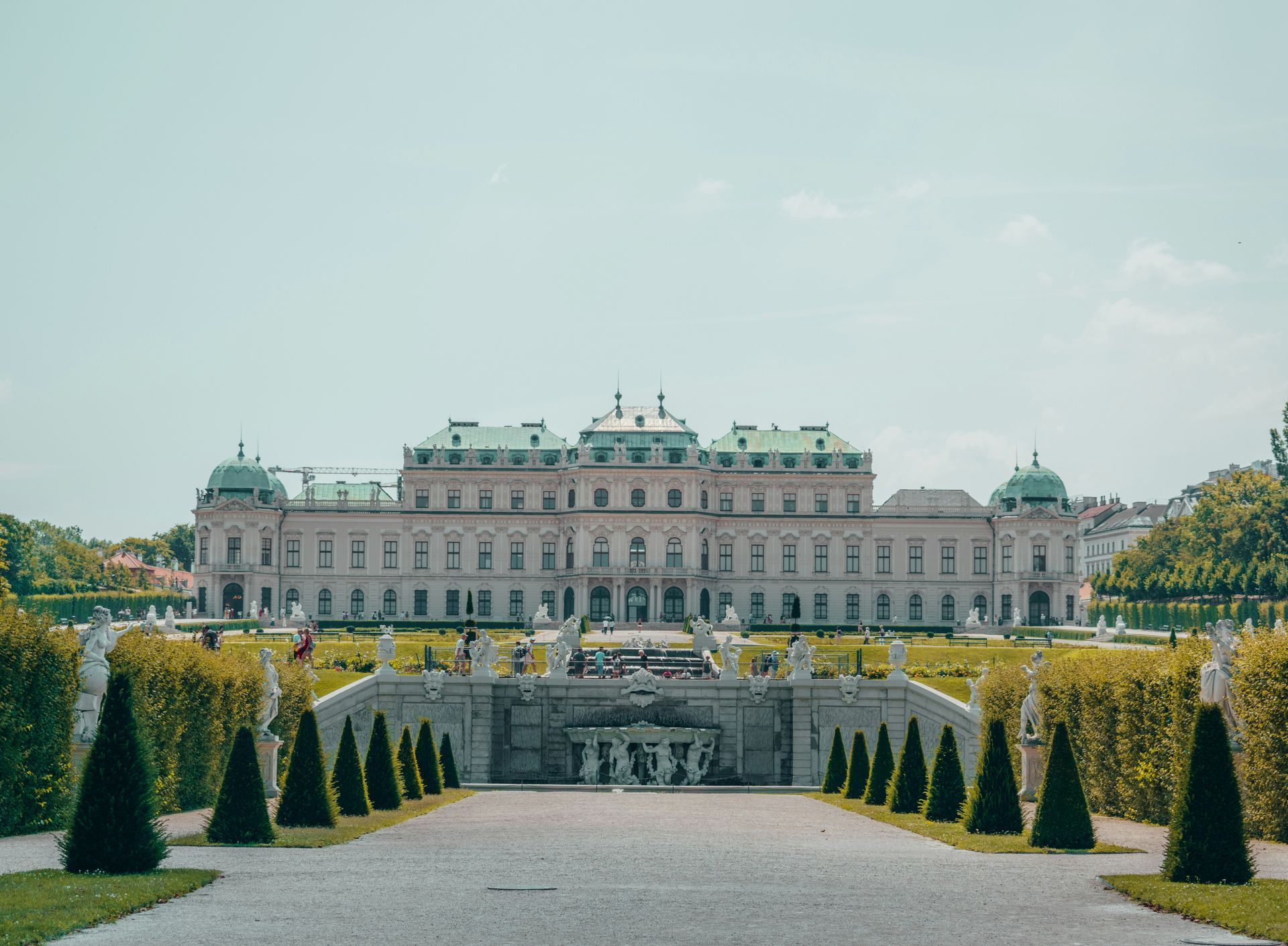
Brno to Vienna is about 1.5 hours by train and 1.5–2 hours by road. Compare the train with a
private door-to-door transfer and choose what fits your trip.
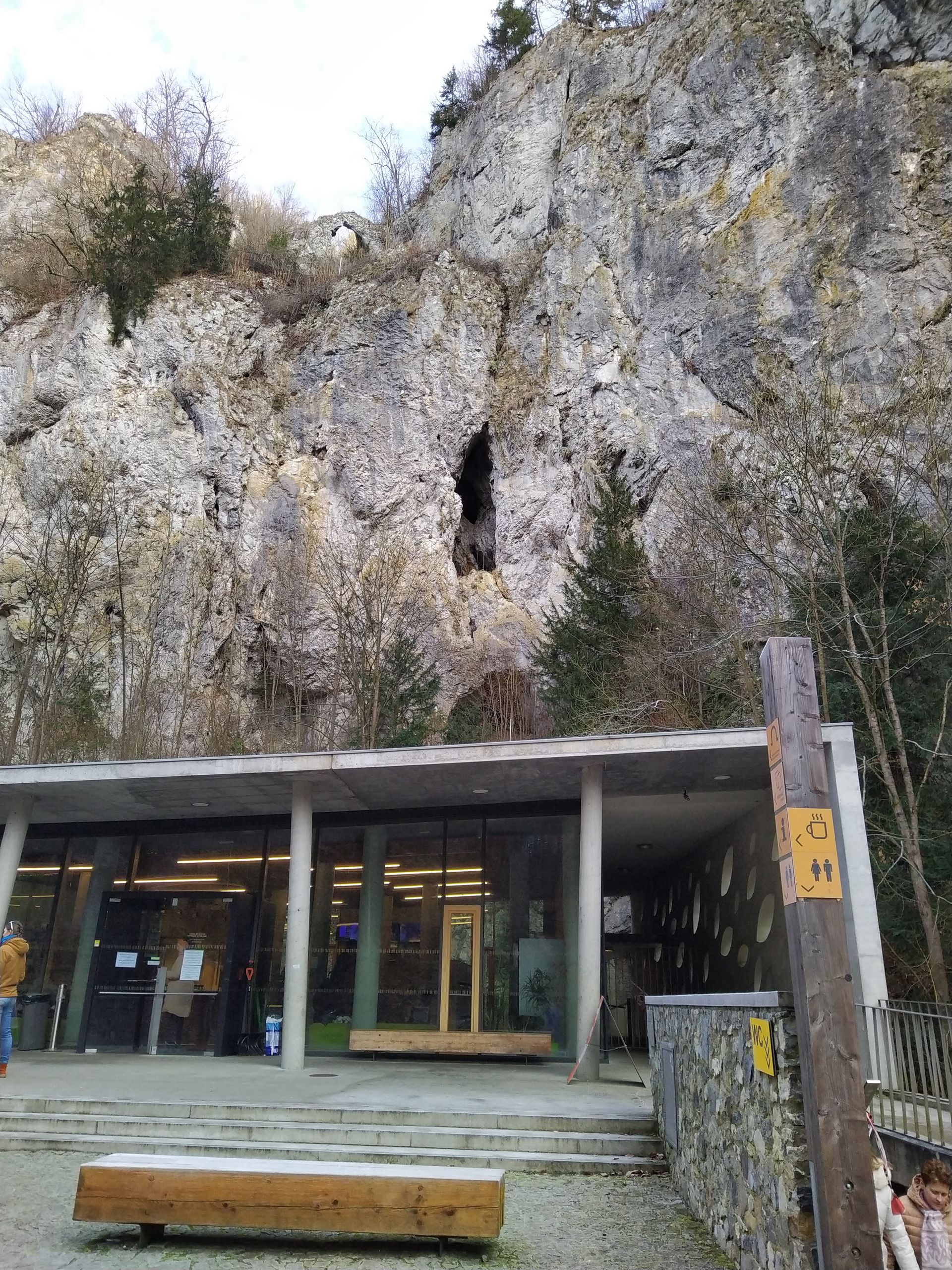
Everything to know before visiting the Punkva Caves and Macocha Abyss in the Moravian Karst: the underground boat ride, the abyss depth, booking tips and how to get there from Brno.
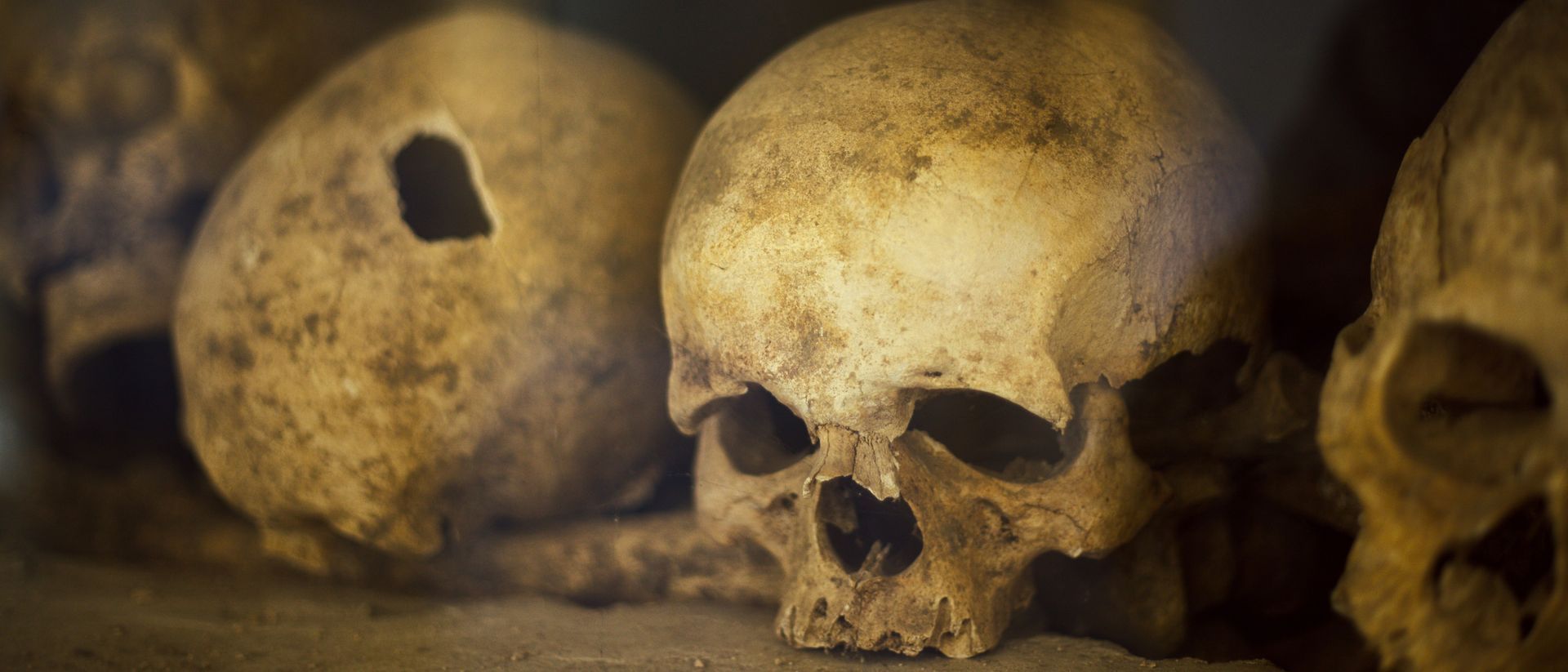
Brno's underground: Europe's second-largest ossuary at the Church of St James, and the Baroque Labyrinth under the Vegetable Market. What to see and how to visit both.
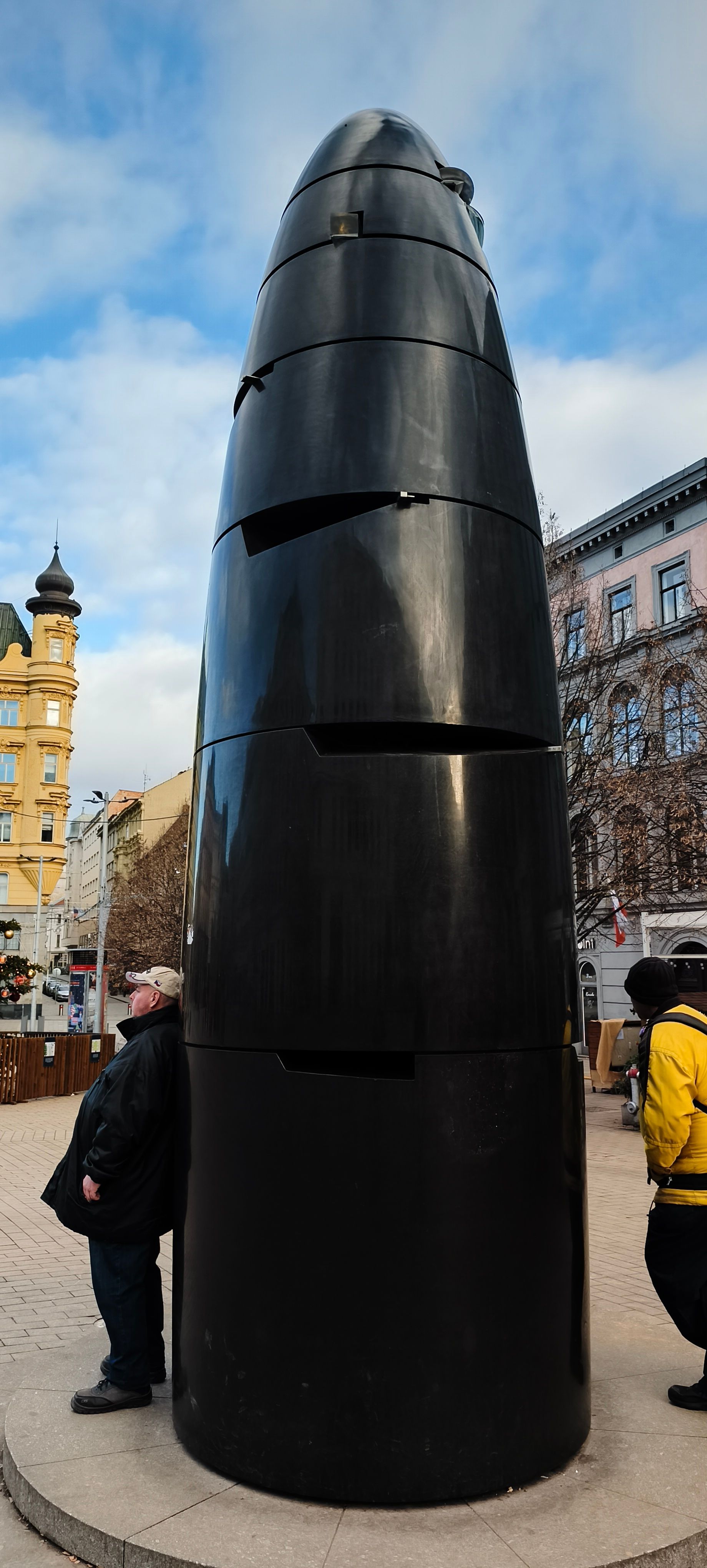
The real story behind Brno's two most photographed symbols: the crocodile known as the Brno Dragon in the Old Town Hall, and the granite Astronomical Clock on Freedom Square.
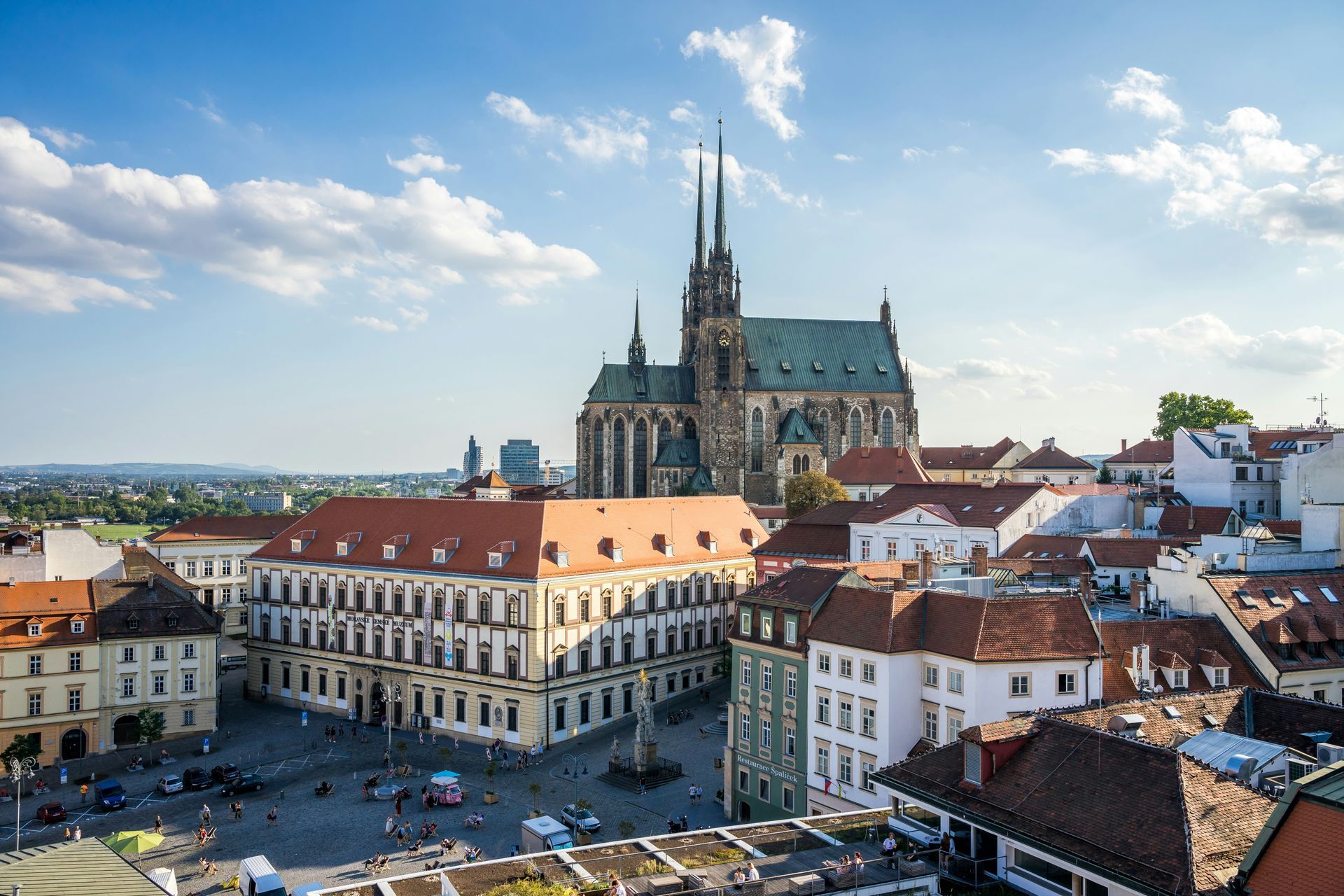
When to visit Brno and South Moravia: weather by season, wine harvest, Christmas markets, and how each season changes what a private day trip from Brno looks like.
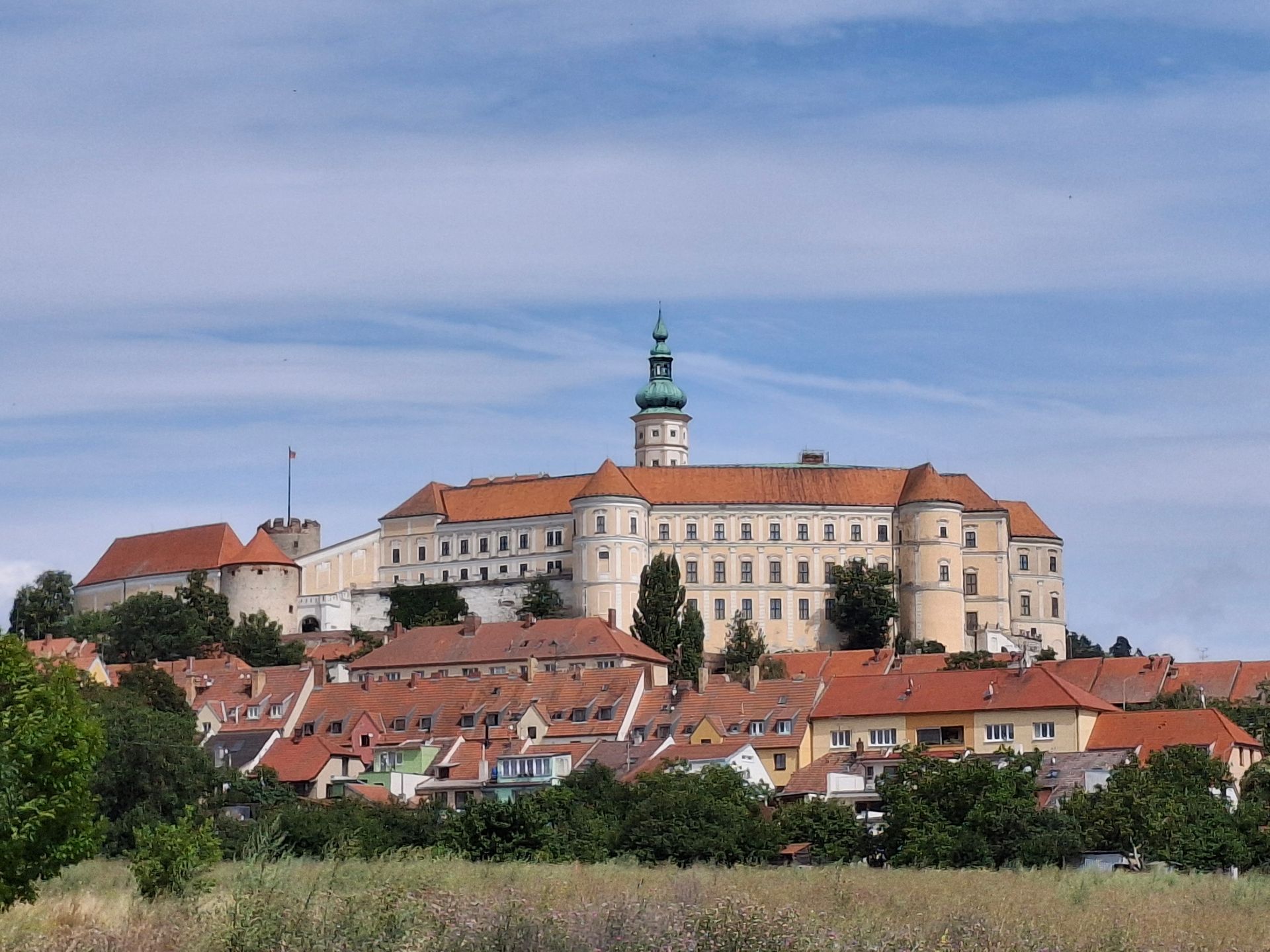
Mikulov travel guide: the hilltop castle, the Dietrichstein family tomb, Holy Hill's chapel, and why this South Moravian wine town is the perfect base for the Lednice–Valtice region.
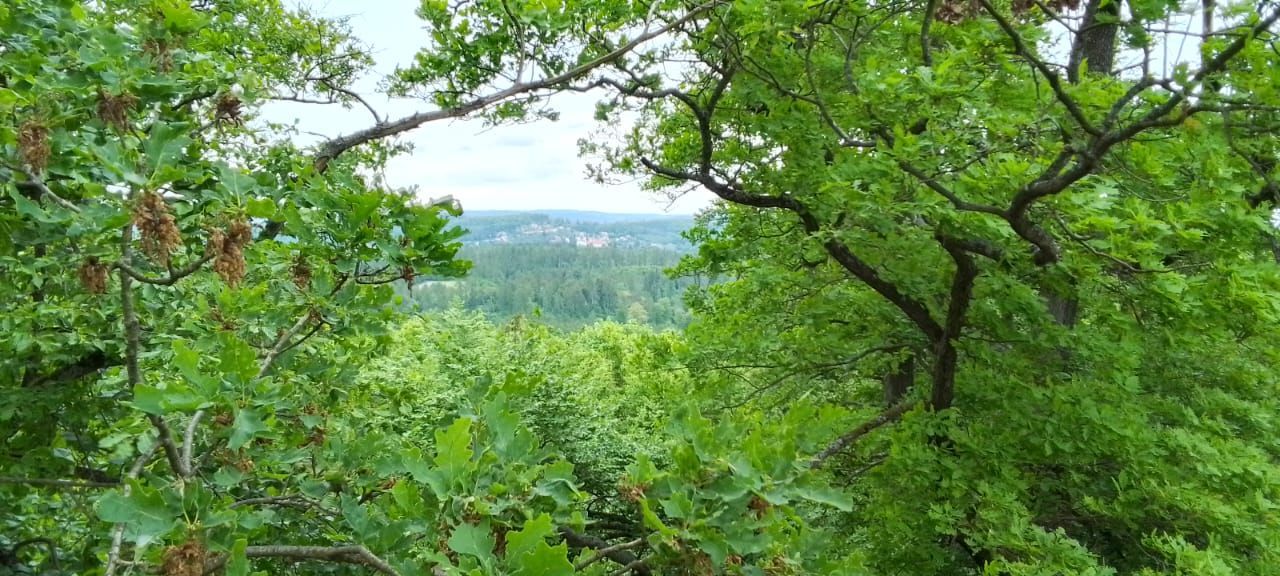
A pilgrimage church with a princely crypt, a 562m lookout tower, and quiet Moravian forest, the Vranov, Babí lom and Lelekovice trail is Brno's best half-day escape into nature.
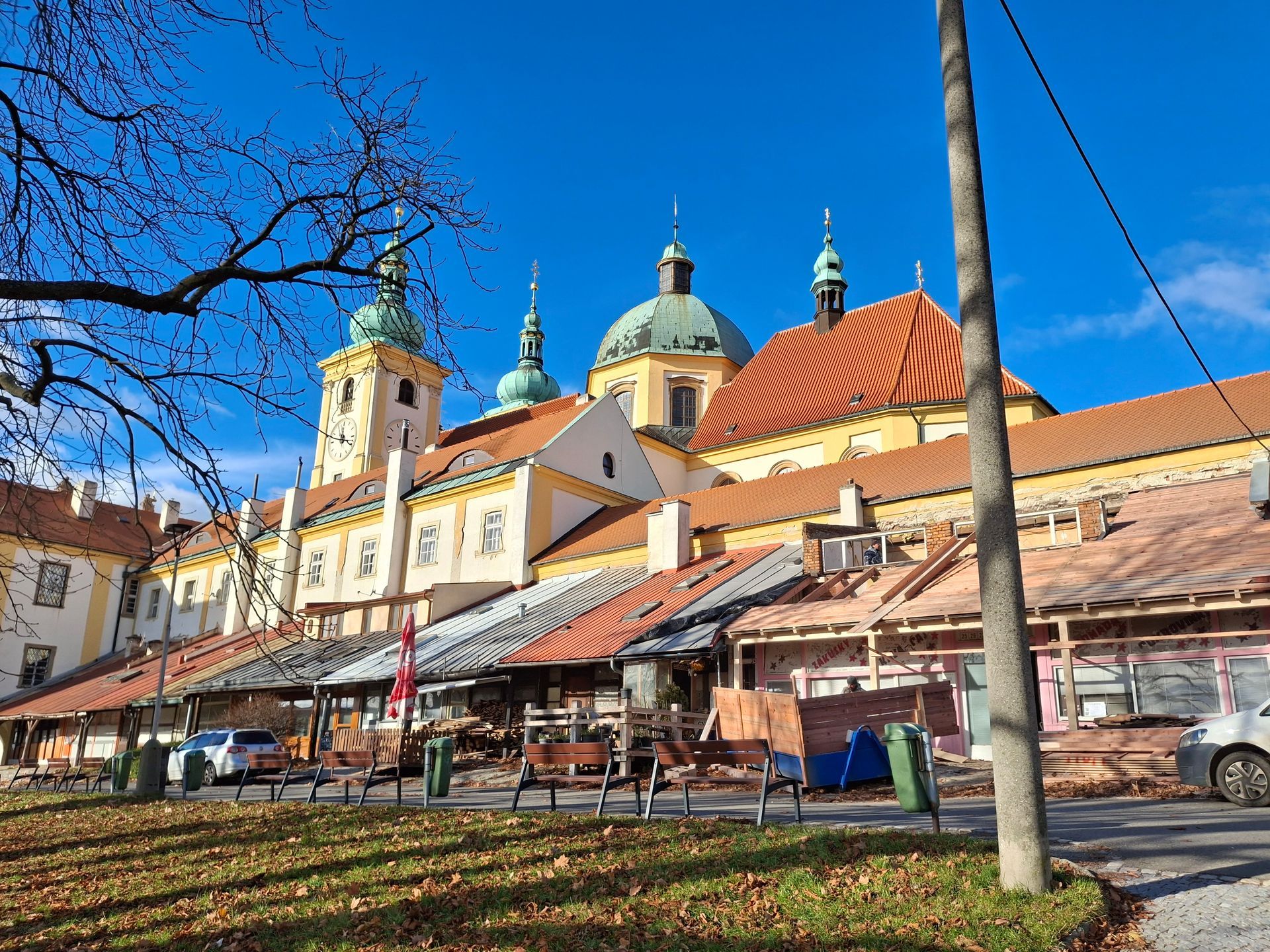
Olomouc travel guide: the UNESCO Holy Trinity Column, the Astronomical Clock, and why Moravia's former capital rivals Prague for baroque architecture without the crowds.