
BLOG
Ivo Salay • September 15, 2026
The town where Moravian wine culture actually lives
Drive an hour south of Brno toward the Austrian border and the landscape opens into rolling vineyards, and at the centre of it all sits Mikulov, a Renaissance town wrapped around a dramatic hilltop castle, and the unofficial capital of the Moravian wine region. Unlike Lednice or Valtice, whose châteaux draw visitors primarily for architecture, Mikulov is a genuinely lived-in wine town: locals still run family cellars beneath the old town, the surrounding hills are covered in working vineyards, and the 65-kilometre Mikulov Wine Trail begins right at its main square.
Mikulov Castle and a library worth the climb
The castle that gives the town its silhouette dates originally to the early Middle Ages, when it was built in Romanesque style, but its present form comes largely from a 1719 fire and the subsequent 18th-century rebuild under the Dietrichstein family, who owned the castle and surrounding estates from the 16th century onward. Today it houses a regional museum, an 18th-century library that has kept its original character, and a viticulture exhibition tracing the history of Moravian winemaking, appropriate, given that the surrounding limestone-rich soil and favourable climate were already valued by Roman settlers in the region two thousand years ago. The castle is generally open April to November.
The Dietrichstein Tomb: a family crypt on the main square
Just off Mikulov's historic square, in the former Church of St Anne, lies the Dietrichstein Tomb, the family sepulchre of the noble house that shaped the town for centuries. It remains a protected cultural monument of the Czech Republic and is open to visitors for a modest admission fee, with seasonal opening hours (roughly April–November, with by-appointment visits the rest of the year). The square itself is worth lingering on regardless: a baroque Holy Trinity Column from 1723–24, a 16th-century sgraffito-decorated house, and an old fountain that once supplied the town's drinking water.
Svatý kopeček: a plague vow carved into a hillside
Rising just outside town is Svatý kopeček "Holy Hill" and its story starts with a legend involving Cardinal František (Franz) von Dietrichstein. According to local tradition, the hill was once known as Tanzberg and used for rowdy festivities; in 1622, during a plague epidemic, the cardinal is said to have put a stop to the revelry and, in thanks for the plague's end, had the Chapel of St Sebastian built on the summit the following year. An early baroque Way of the Cross, lined with fourteen chapels, was completed in stages through the 18th century and still leads walkers up from the town to the chapel today. The hill has since been declared a nature reserve for its rare plant and animal species, and the climb is rewarded with one of the best panoramic views of the town, the castle, and the vineyards beyond.
Wine, without leaving the old town
Mikulov's wine culture isn't confined to the countryside. Several historic cellars operate within the town itself, including tastings inside atmospheric vaulted spaces that have stored Moravian wine for generations. Combined with the nearby Lednice–Valtice Cultural Landscape, a UNESCO-listed complex of châteaux, follies and parkland just a short drive north, Mikulov makes an ideal single base, or single day-trip anchor, for anyone wanting to understand South Moravia's wine identity rather than just taste a glass of it in passing.
Getting there
Mikulov sits roughly 60–70 km south of Brno, close to the Austrian border, and while regional buses connect it to Brno, the town's real appeal, the castle, the tomb, Holy Hill and a proper cellar tasting, realistically needs the better part of a day and benefits enormously from a driver who already knows which cellar to book ahead for.
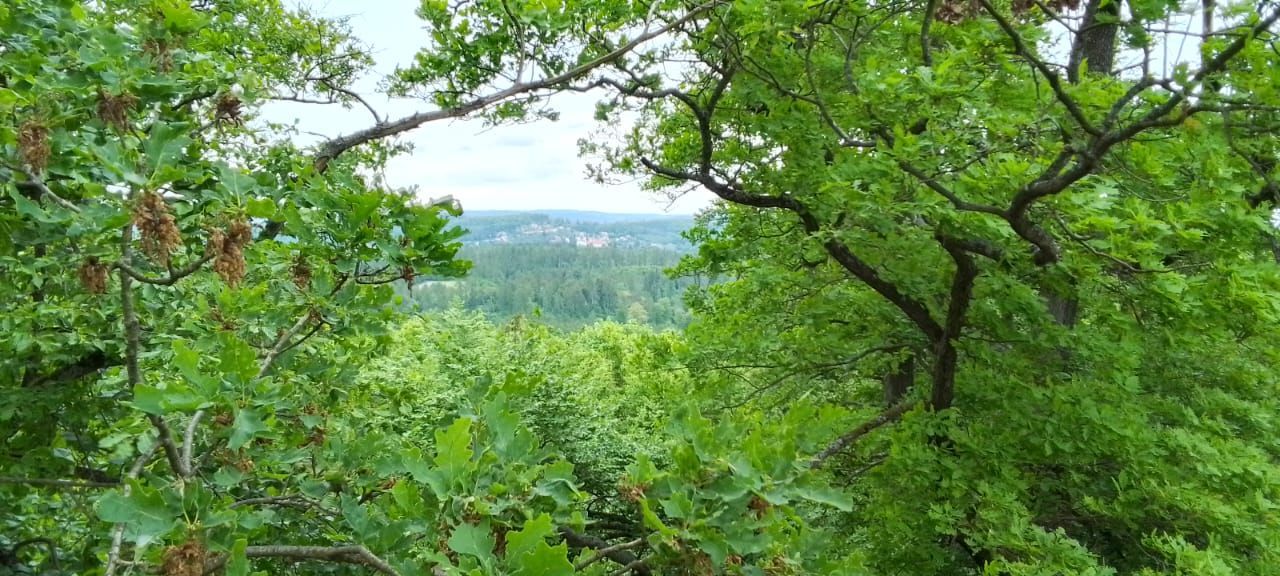
A pilgrimage church with a princely crypt, a 562m lookout tower, and quiet Moravian forest, the Vranov, Babí lom and Lelekovice trail is Brno's best half-day escape into nature.
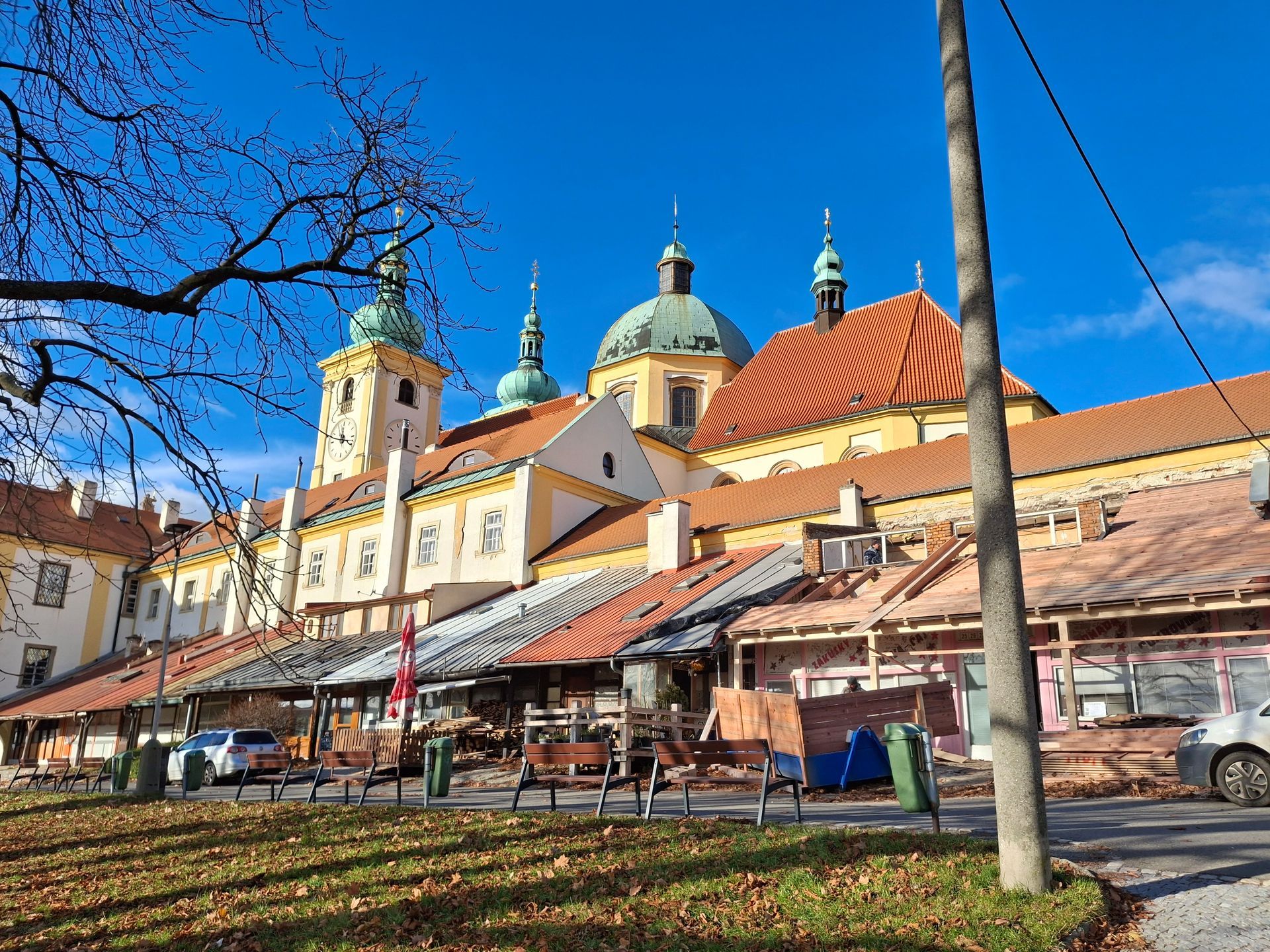
Olomouc travel guide: the UNESCO Holy Trinity Column, the Astronomical Clock, and why Moravia's former capital rivals Prague for baroque architecture without the crowds.

Discover Kroměříž, the 'Garden of Moravia': the UNESCO-listed Flower Garden, the Archbishop's Chateau and its Titian, and the best way to combine it with Austerlitz and Olomouc.

Explore the Austerlitz battlefield near Brno: Napoleon's greatest victory, the Cairn of Peace memorial, and Slavkov Chateau where the armistice was signed. Full 2026 travel guide.

Visit Špilberk Castle in Brno: 700 years of history, the notorious Habsburg 'Prison of Nations' casemates, and the best private tour to combine it with. Full 2026 guide.
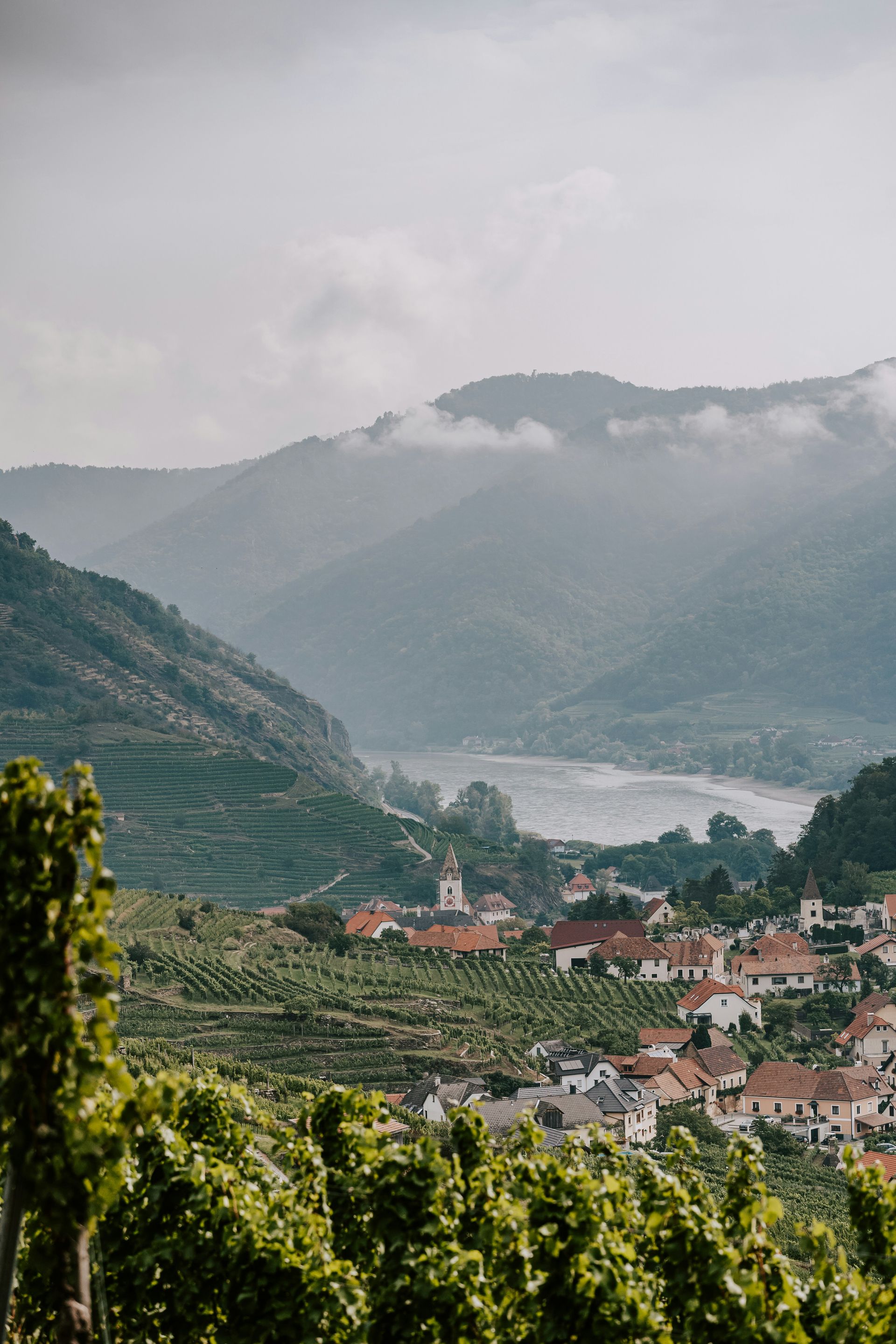
Discover the Wachau Valley on a private day trip from Brno: Dürnstein village, Aggstein Castle ruins and Melk Abbey. Practical tips and full 2026 travel advice.
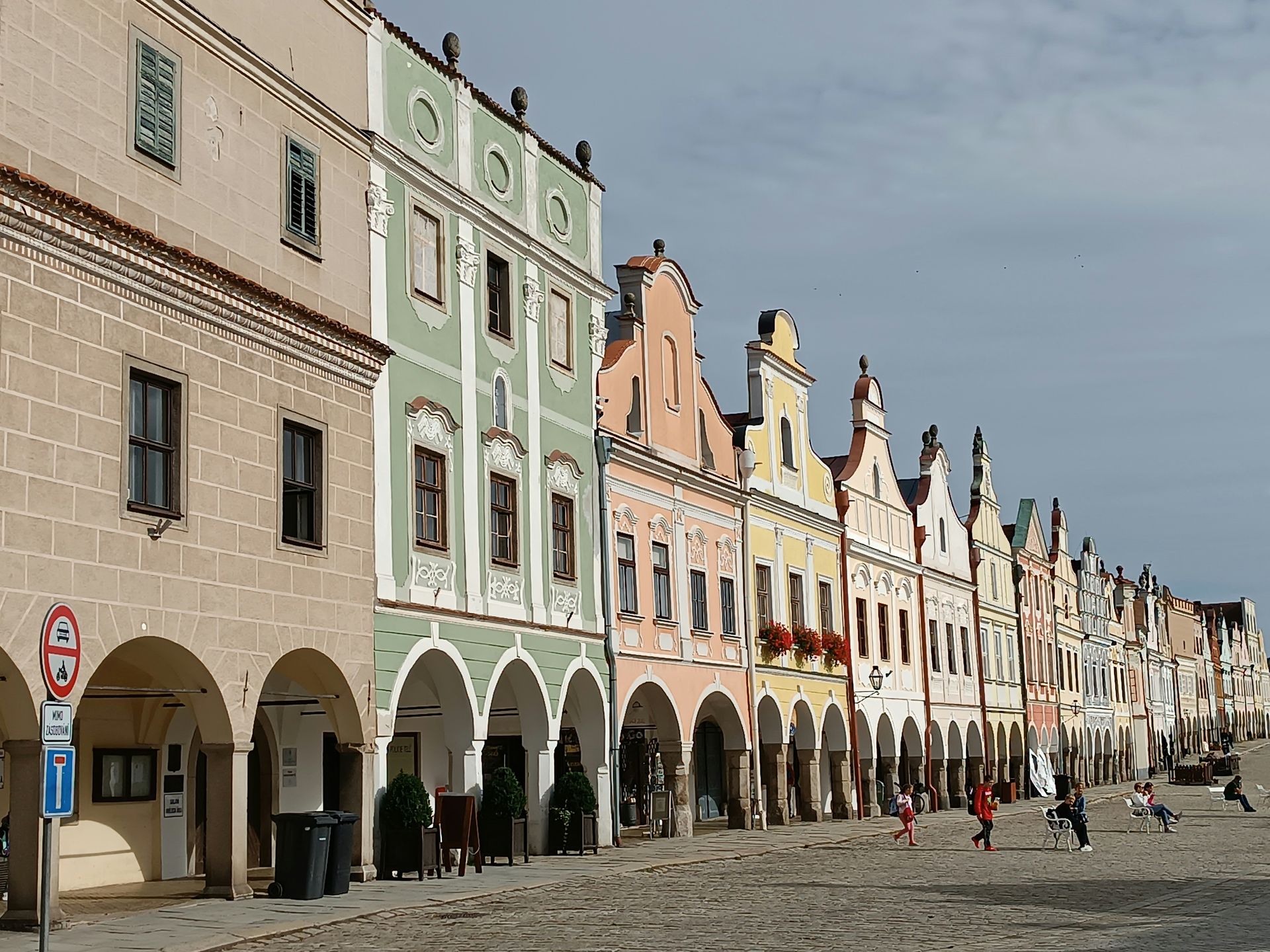
Discover Telč, the Renaissance UNESCO town near Brno famous for its arcaded square and pond reflections. Private tours, practical tips, and 2026 travel advice.
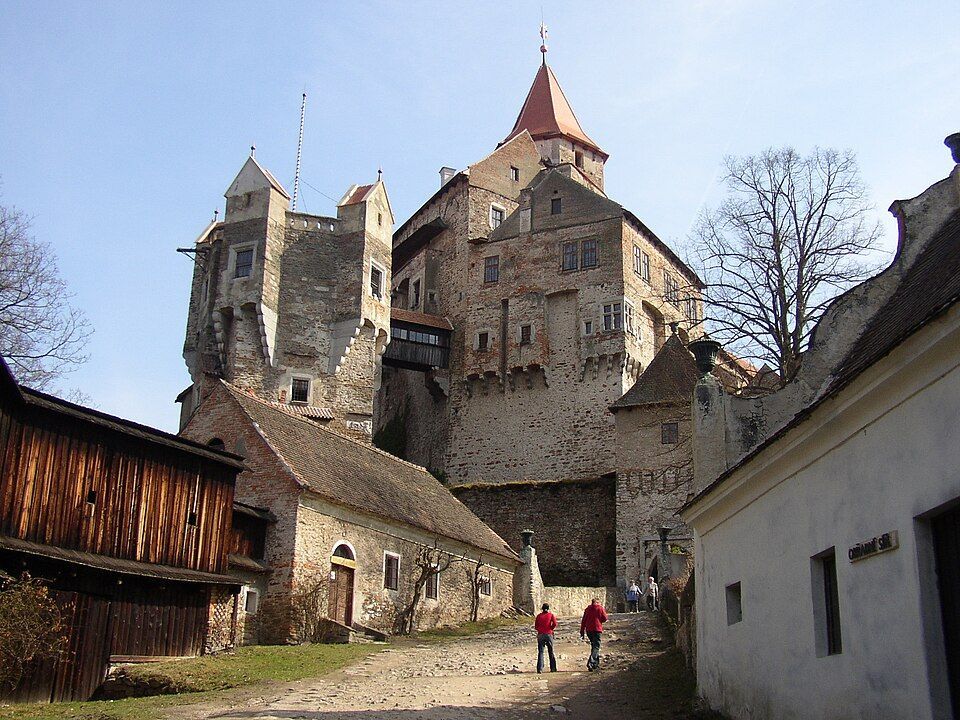
Discover Pernštejn, the Gothic-Renaissance castle near Brno that was never conquered. Private tours, practical tips, and the best combos for 2026.
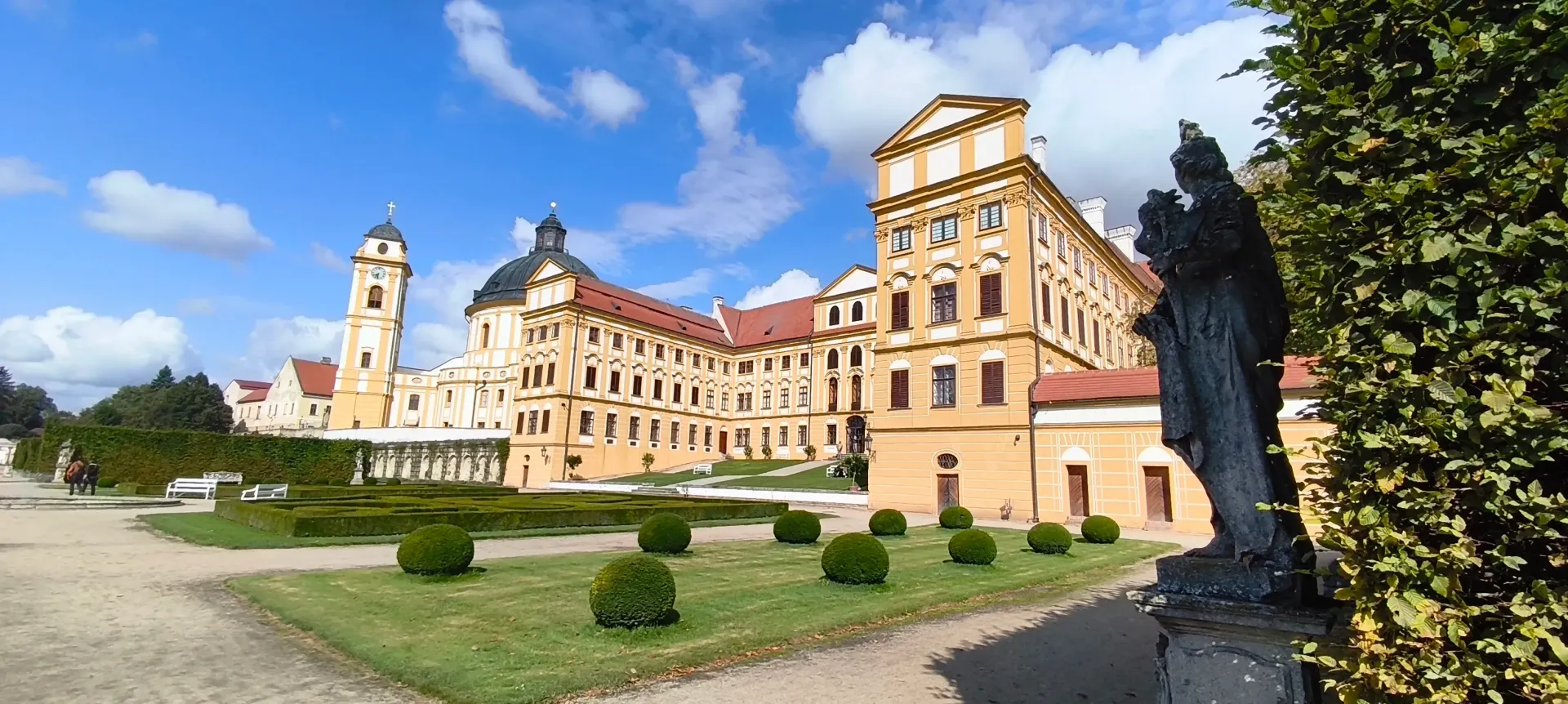
Discover Třebíč's UNESCO Jewish Quarter and Basilica plus the Baroque chateau of Jaroměřice nad Rokytnou on a private day tour from Brno with Carcatta.
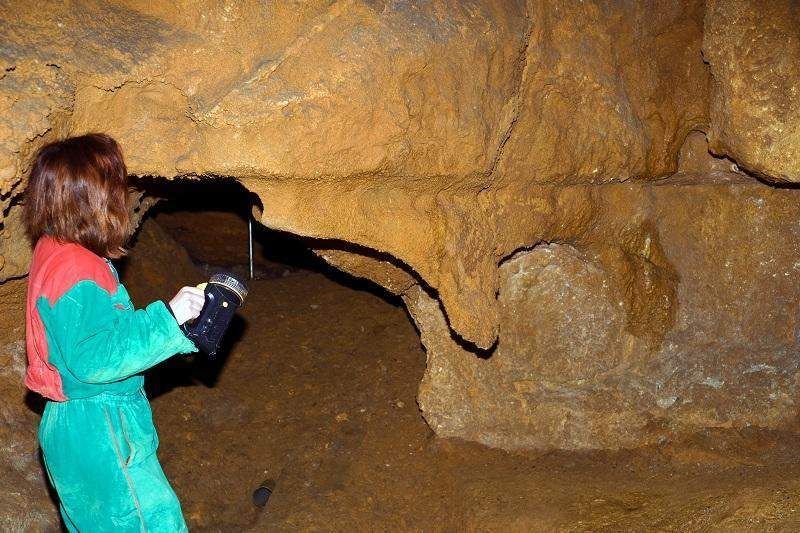
Discover the Moravian Karst near Brno with Macocha Abyss, Punkva Caves and underground river boat tours. A perfect nature day trip in Czechia.