The short answer: a Czech heritage trip to Moravia works best when you do the research at home first. Find your ancestors' village and its original name, then look up the church records online in ActaPublica, the digital archive of the Moravian Land Archives in Brno. Once you know where your family came from, Brno makes an easy base for visiting the village, the church and the archive in person.
Carcatta Highlights
- Most Czech immigrants to Texas came from Moravia, so many American family trees lead here.
- Parish registers for South Moravia, Vysočina and the Zlín Region can be searched online in ActaPublica, by the Czech, German or historical name of the village.
- Original documents can be studied in the archive reading room in Brno, but only with a reservation.
- Brno is home to the archive, which makes it a practical base for the whole trip.
Tracing your Czech roots? We can help you!
We can turn your family research into a personal journey through Moravia, visiting ancestral villages, churches, cemeteries and other places connected with your family history. If you already know where your family came from, we can help you plan the route and take you there.
Why so many American families trace back to Moravia
Moravia is the eastern part of today's Czech Republic, with Brno as its largest city. Many Czech emigrants to the United States came from here. According to the Wikipedia overview of Czech Texans, large-scale Czech immigration to Texas began after the Revolutions of 1848, the majority of Texas immigrants came from Moravia, and the Czech still spoken in Texas is largely based on Moravian dialects. The 2020 census counted 193,058 Czech Americans in Texas, more than in any other state.
If your family records say "Austria", "Bohemia" or "Moravia", do not be confused. Czech settlers often described themselves as Austrian, German, Bohemian, Slovak or Moravian, because the Czech lands were part of the Austrian Empire when they left.
Step 1: Start with what your family already has
The Czechoslovak Genealogical Society International(CGSI), a US-based society, recommends starting with the sources closest to home before you search abroad:
- Family records: Bibles, old letters, photographs, obituaries and baptismal or marriage certificates often name the village.
- Naturalization papers and the US census: they can give the year of arrival and sometimes the place of birth.
- Passenger lists: the name of the ship and the port of departure help you narrow down the region.
- Tombstones and church records in the US: Czech communities often recorded the home parish.
The goal of this first step is one thing: the name of the village, the parish or at least the district your ancestors came from.
Step 2: Find the village, under all its names
Many Moravian villages had a Czech and a German name, and spelling changed over time. A name that looks unfamiliar in an American document may simply be the old German version. CGSI suggests checking gazetteers, maps and village websites, and even writing to the village mayor or local historian once you know where to look.
This matters for the next step, because the online archive lets you search by the Czech, German or historical name of a village.
Step 3: Search the parish registers online
For most of Moravia, the key institution is the Moravian Land Archives in Brno(Moravský zemský archiv). It is the regional state archive for the South Moravian Region, the Vysočina Region and the Zlín Region, and it includes 15 district archives. It was founded in 1839.
- ActaPublica: the archive's ActaPublica portal lets you search the parish registers (matriky) by village. You can type the Czech, German or historical name.
- Different churches, different books: registers are listed by who kept them, such as the Roman Catholic parish, Protestant churches or civil registry offices, so check every option for your village.
- Old handwriting: older entries are handwritten and are not always in Czech. If you get stuck, CGSI lists hiring a professional genealogical researcher as one of the options.
Step 4: Visit the archive in person
If you want to see original documents or records that are not online, you can study them in the archive's reading room in Brno, on Palachovo náměstí. Visits are booked through the archive's reservation system, so do not just turn up. If you are not sure which collection to ask for, the archive recommends contacting the reading room well in advance by email at badatelna@mza.cz.
Check the official website for current opening days and fees before you plan around a visit. The site is in Czech, so a browser translation tool helps.
Carcatta Tips
- Write down every spelling of the village name you find, including the German one. You will need all of them in the archive search.
- Note the name of the register and the page for every record you find, so you can show it at the archive or in the village.
- Email the municipal office a few weeks before your trip, so they have time to reply and find someone who can help.
- Most local websites are only in Czech. A browser translation tool is usually enough to find contacts and addresses.
Step 5: Plan the day in your ancestors' village
Standing in the village where your great-grandparents were baptized is the moment most heritage travelers remember. A few tips to make it count:
- Write ahead: the municipal office (obecní úřad) or the parish may be able to open the church or point you to the cemetery and old family houses.
- Bring copies: printed records with names and dates make it easier for locals to help you.
- Plan the transport: many villages are small and public transport can be limited, so check the connections before you go. If you are arriving from Vienna, our private transfer from Vienna to Brno takes you door to door.
Use Brno as your base
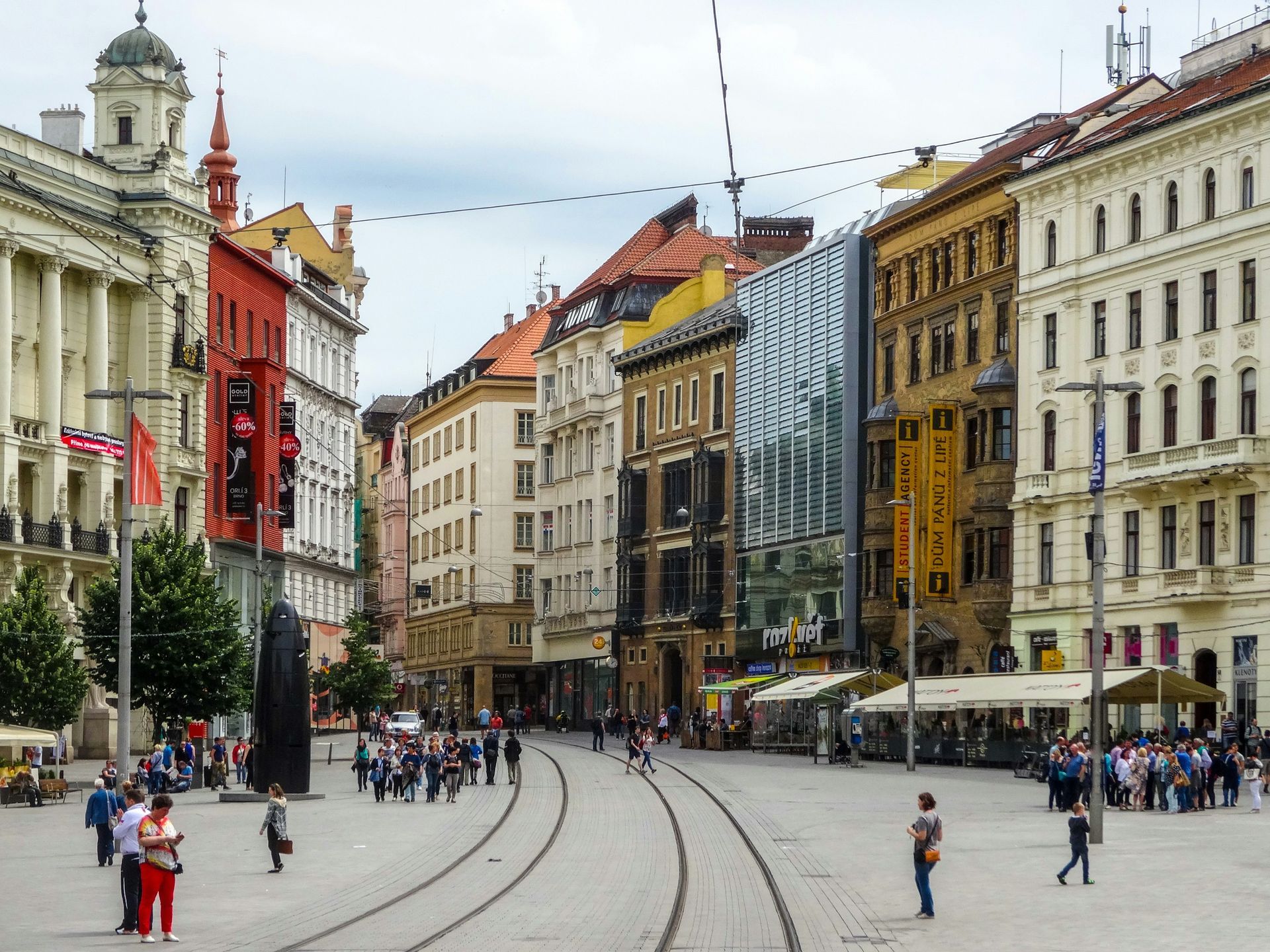
Brno is the home of the Moravian Land Archives and sits in the middle of South Moravia, so it works well as a base for a heritage trip. Between archive visits and village days, you can explore the city with our one-day Brno itinerary or join our Brno: 3-Hour History & Legends Walking Tour.
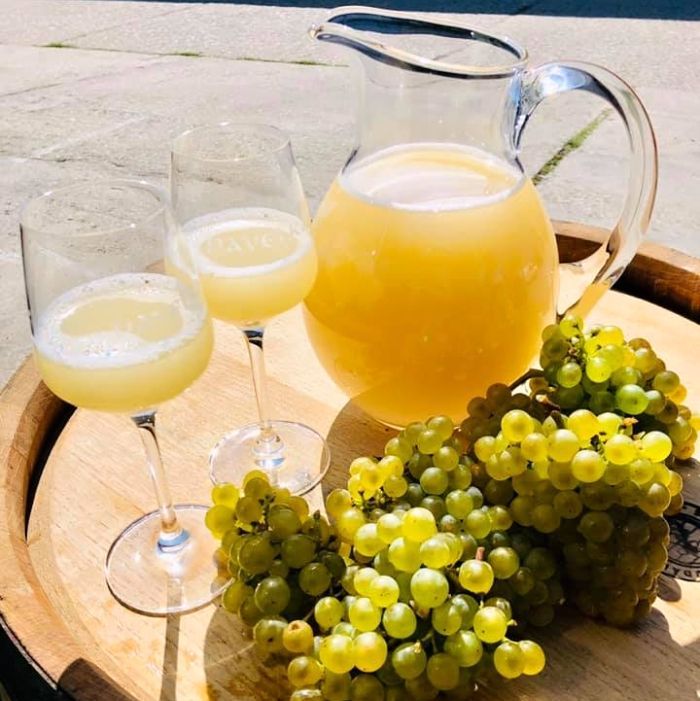
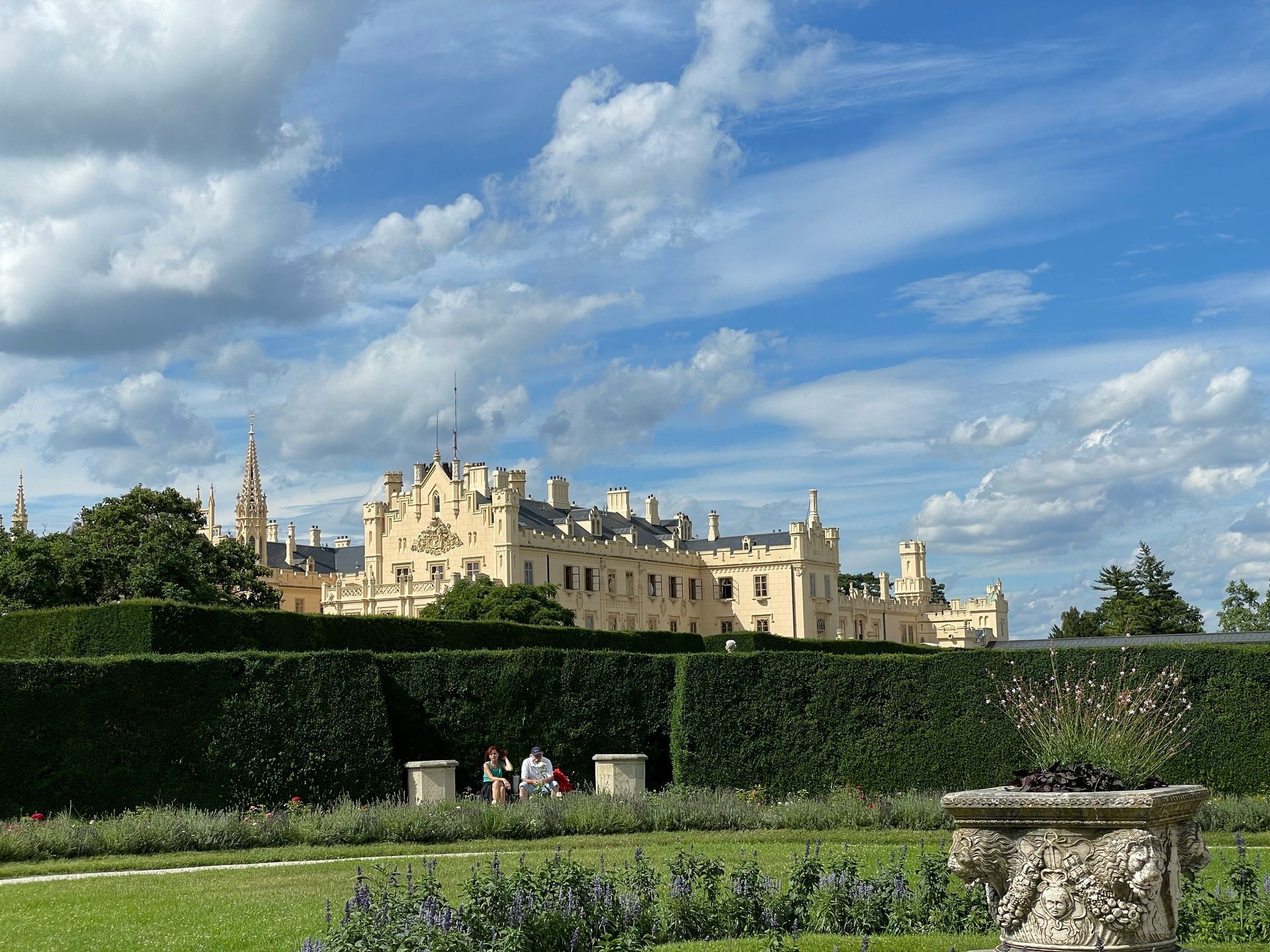
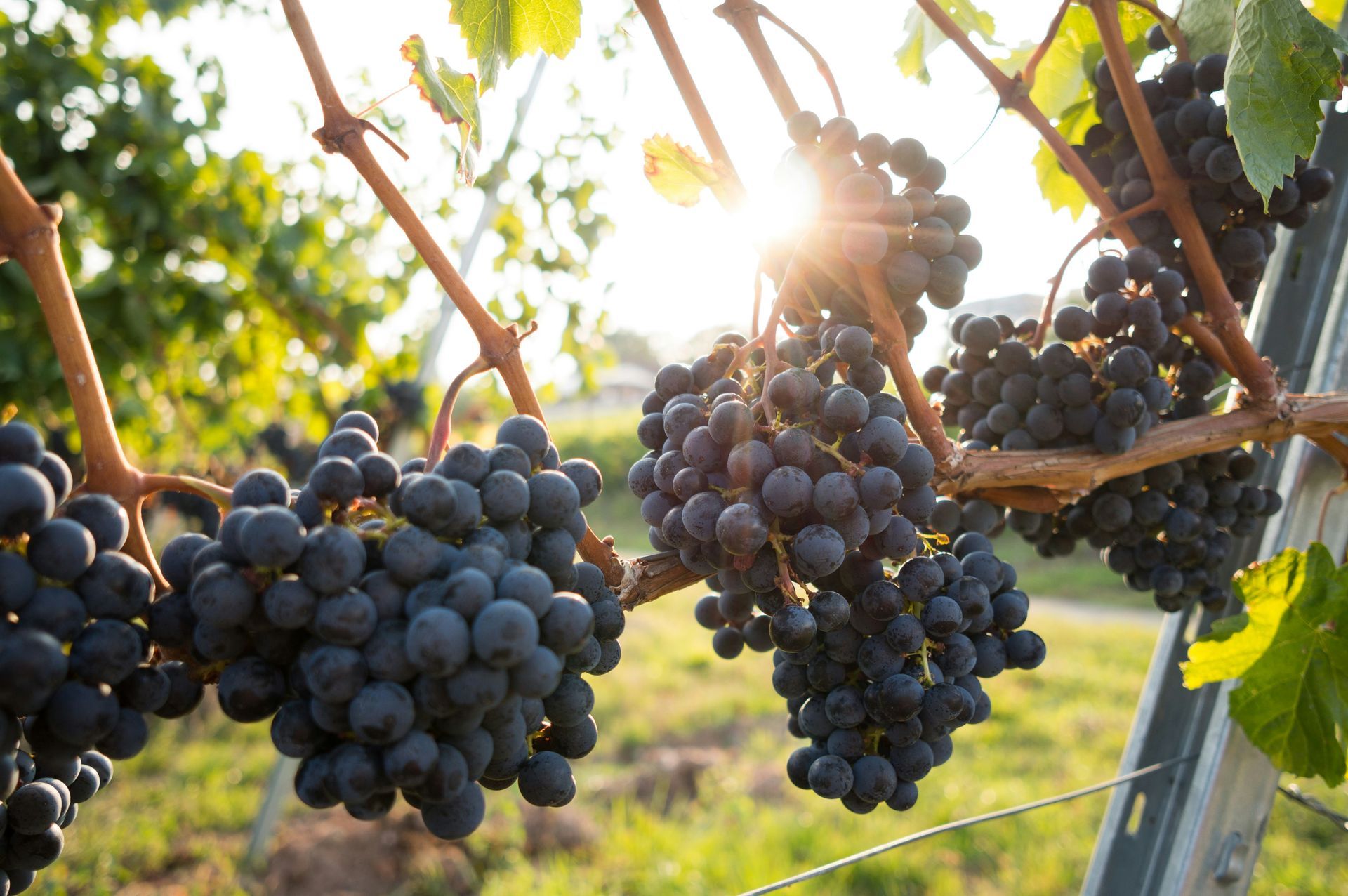
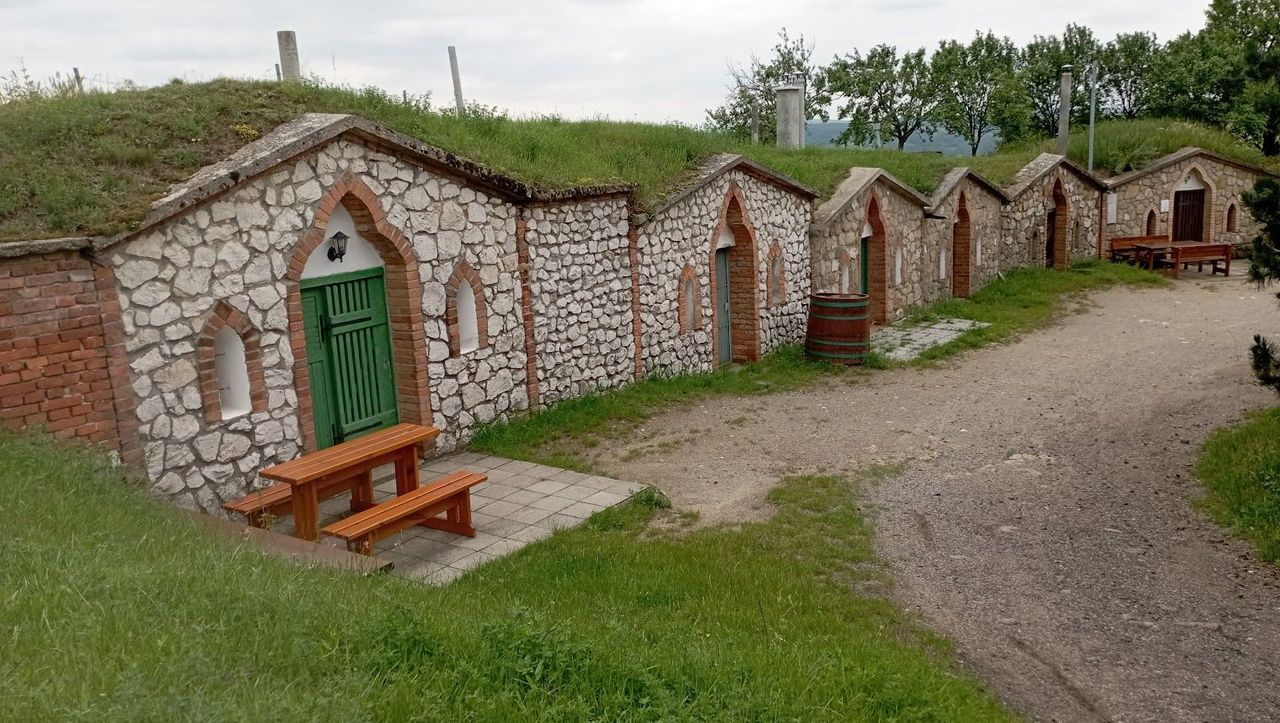
If your family came from the wine villages of the south, a day on our Wine & UNESCO Gems Tour from Brno shows you Mikulov, Lednice and the traditional wine cellars of the region. Our Moravian wine guide explains what grows there. For more ideas, see the best day trips from Brno.
Frequently asked questions
Where are Moravian church records kept?
For South Moravia, Vysočina and the Zlín Region, at the Moravian Land Archives in Brno. Its ActaPublica portal lets you search the parish registers online by village.
My ancestor's village has a German name. Can I still find it?
Yes. ActaPublica lets you search by the Czech, German or historical name of a village.
Do I need to book the archive reading room?
Yes, visits are booked through the archive's reservation system. Check the official website for current opening days and fees.
Why do my family papers say "Austria"?
When most Czech emigrants left, Moravia was part of the Austrian Empire, so many described themselves as Austrian, Bohemian or Moravian.