The short answer: burčák (say "BOOR-chahk") is grape juice caught in the middle of turning into wine. It is cloudy, sweet, lightly fizzy and already alcoholic, and by Czech rules it can be sold under that name only from August 1 to November 30. If you are in South Moravia in the fall, it is the one drink you cannot try at any other time of year.
What exactly is burčák?
Burčák is partly fermented grape must. The yeast has started turning the sugar into alcohol, but the job is not finished, so what is in your glass is still fermenting. According to the official Wines from Czech Republic portal, it has an actual alcohol content of more than 1% by volume and less than three-fifths of the alcohol the finished wine would reach.
The same portal notes that people in neighboring Austria and Slovakia love the drink at harvest time too. In Austria it is called Sturm, and in France vin bourru.
Why you can only get it in the fall
The name burčák is protected by Czech law. Two rules matter for visitors:
- The season: it may be offered for sale as burčák only between August 1 and November 30.
- The grapes: they must come solely from vineyards in the Czech Republic, harvested and processed in that year.
A similar drink made from imported grapes cannot use the name. It has to be sold as "partly fermented grape must" instead, and the Czech Agriculture and Food Inspection Authority checks sellers every season. So when a stand or cellar in Moravia says burčák, it is telling you the grapes are local.
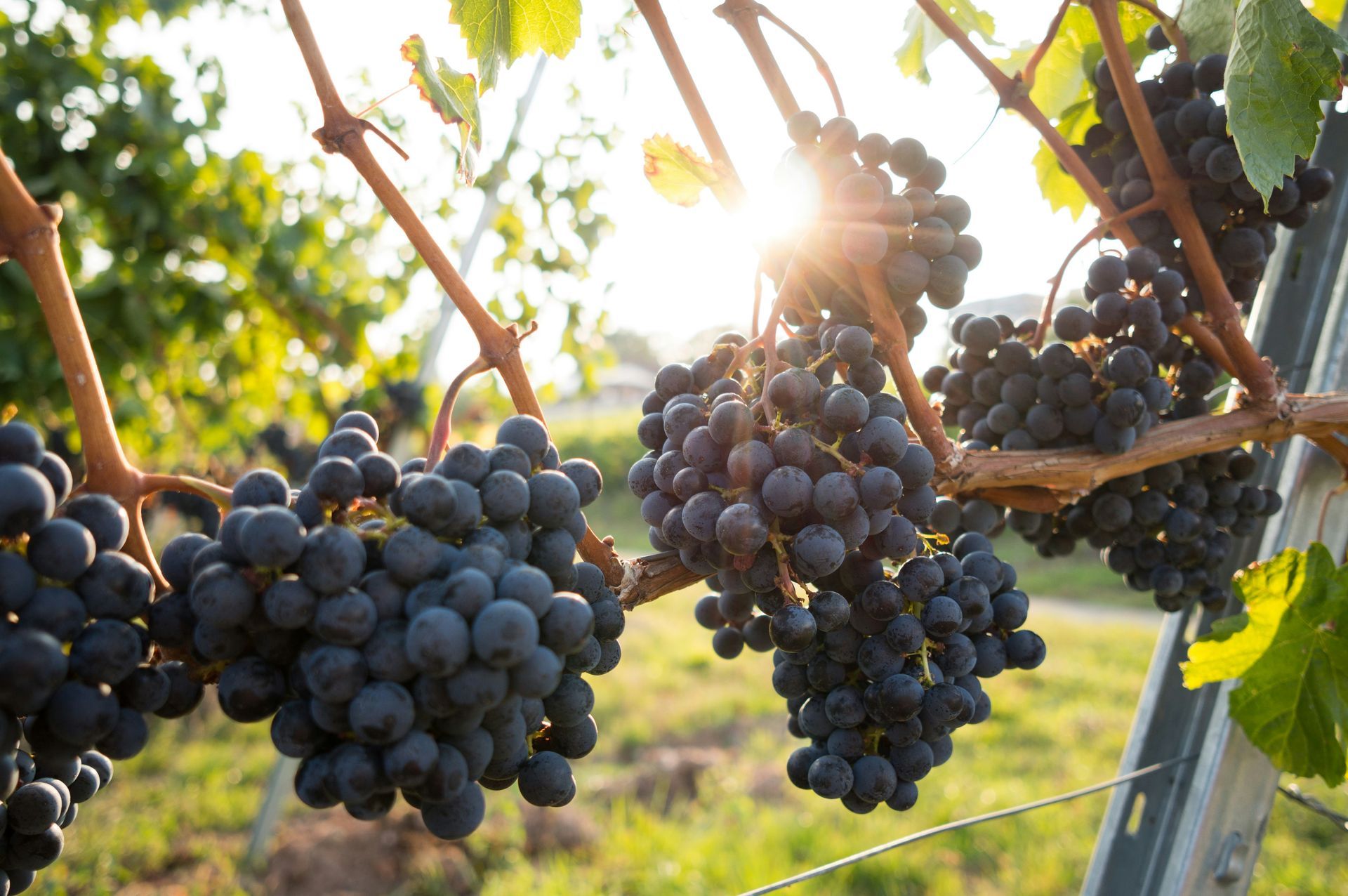
Because it depends on the harvest, the exact weeks change from year to year. Around 96% of Czech vineyards are in Moravia, which is why South Moravia is the place to drink it.
What it tastes like
Expect something between fresh grape juice and wine. It is cloudy and pale yellow when made from white grapes, and pink or red when made from red grapes. It tastes sweet and fruity with a light sparkle, and it goes down very easily.
That is the catch. It tastes like juice, but it is alcoholic, and it keeps fermenting after you buy it, so it gets less sweet and stronger with time. Sip it slowly, and do not treat it like a soft drink.
How to drink it like a local
- Drink it fresh. Burčák is at its best for a short time, so buy only what you will drink soon.
- Never close the bottle tight. It is still fermenting and producing gas, which is why sellers leave the cap loose. Carry the bottle upright.
- Keep it cool. Warmth speeds up the fermentation.
- Do not drive afterward. The Czech Republic has zero tolerance for alcohol behind the wheel. Read renting a car or hiring a driver before you plan a wine day.
Where to try burčák in South Moravia
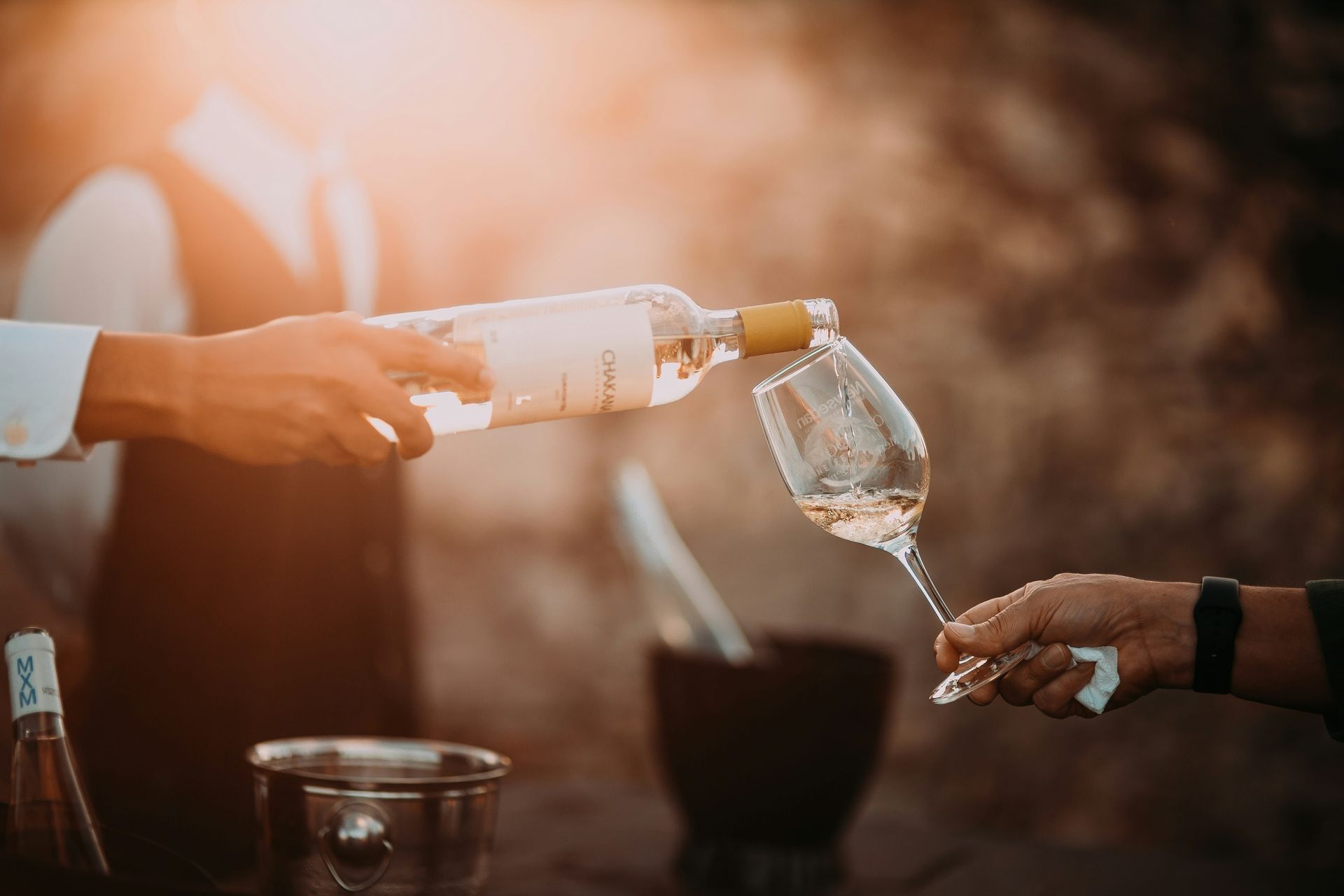
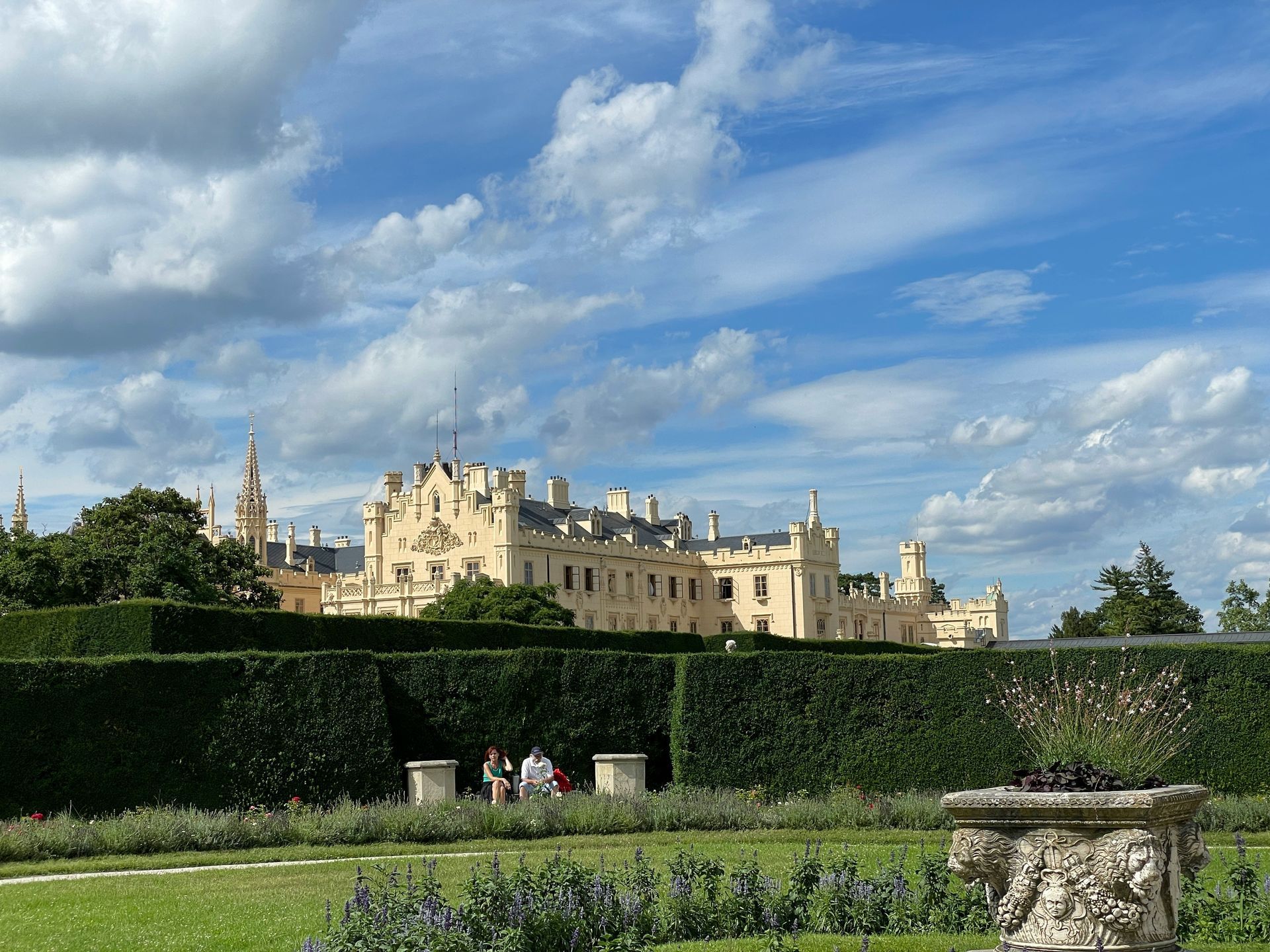
- Wine cellars and wine villages. Around Mikulov and in the Lednice-Valtice area, family cellars pour it during the harvest. See our guides to Mikulov, Moravia's wine capital and the best wine tastings near Brno.
- Harvest festivals. Wine towns celebrate the harvest with a vinobraní (grape harvest festival), where burčák is the main drink. Two of the best known are the Pálava Vintage Festival in Mikulov and the Znojmo Historical Vintage Festival. Check their official websites for this year's dates.
- Markets and stands. In season you will also see it sold at markets and roadside stands across the region.
Burčák on a wine tour day
Our South Moravia Wine Tour covers the Lednice-Valtice area and Mikulov and includes tastings of Moravian wines in traditional cellars, and you do not have to drive. If you are visiting during the harvest and want to try burčák, tell us when you book and we will let you know what is possible on your date.
Planning the rest of the day? Read Lednice or Valtice: how to plan the day, get to know the grapes in our Moravian wine guide, or check the seasonal guide to Brno and South Moravia to choose when to come.
What comes after burčák
The season does not end when the burčák runs out. On November 11, Czechs open St. Martin's wine (Svatomartinské), the first finished young wines of the new harvest. If you are coming later in the fall, that is the tradition to look for.
Frequently asked questions
What is burčák?
It is partly fermented grape must: grape juice that has started fermenting into wine but is not finished. It is cloudy, sweet, lightly fizzy and alcoholic.
When is burčák season?
By Czech rules it can be sold as burčák only from August 1 to November 30. The exact weeks depend on the harvest each year.
How strong is burčák?
It has more than 1% alcohol by volume and keeps getting stronger as it ferments. It tastes like juice, so it is easy to drink more than you planned.
Can I take burčák home on the plane?
It is a poor travel souvenir. It is still fermenting, so the bottle cannot be closed tight, and it is best within a short time of buying. Enjoy it in Moravia and take a bottle of finished Moravian wine home instead.
Is burčák the same as Federweisser or Sturm?
It is the same kind of drink. Germany calls it Federweisser and Austria calls it Sturm. The name burčák is reserved for the version made only from Czech grapes.