
The Prison of Nations: Why Špilberk Castle Rules Brno's Skyline
Ivo Salay • September 8, 2026
A fortress that never fell, and a prison that never let go
Every visitor to Brno sees it within minutes of arriving: a long, low silhouette of stone walls sitting on a wooded hill above the historic centre. That is Špilberk Castle, and for the better part of 700 years it has been the single most important building in Moravia's capital, first as a royal residence, later as a fortress that beat back the Prussians, and finally as one of the most feared prisons in the entire Habsburg Empire.
For a private guide working in Brno day after day, Špilberk is the anchor of almost every city walking tour. It rewards a couple of hours far beyond what its modest entrance fee suggests, and it pairs naturally with the legends of the Brno Dragon and the Astronomical Clock on the same afternoon.
From royal seat to baroque fortress
Construction on the hill began in the second half of the 13th century, and for a time Špilberk served as the seat of the Moravian margraves, the medieval rulers of the region. Its location made it strategically indispensable, and over the following centuries the town of Brno (which bought the castle outright in 1560) gradually converted it into a proper military fortress.
That transformation paid off in 1742, when Špilberk withstood a siege by combined Prussian and Saxon forces during the War of the Austrian Succession, the last time the fortress was seriously tested in battle, and the moment that cemented its reputation as unconquerable.
The casemates: Europe's most infamous prison
It is the castle's second life, as a prison, that visitors remember most vividly. Špilberk's casemates, vaulted, windowless chambers built to store soldiers and munitions, were converted under Emperor Joseph II in the late 18th century into what became known across Europe as the "Prison of Nations." Political prisoners from every corner of the Habsburg Empire were sent here, often to be forgotten: Italian revolutionaries, Hungarian dissidents, French prisoners of war.
The most famous inmate was the Italian poet Silvio Pellico, a member of the Carbonari movement fighting for Italian unification, who spent over eight years chained in Špilberk's damp cells. His memoir, My Prisons, was translated across the continent and turned the castle's name into a byword for feudal cruelty.
Emperor Franz Joseph I finally closed the prison in 1855, but Špilberk's darkest chapter was still to come: during the Nazi occupation of Brno in the Second World War, part of the complex served as a Gestapo prison before inmates were transported onward to concentration camps in Poland and Germany.
What to see today
Today the whole complex belongs to the Brno City Museum, and the casemates restored between 1987 and 1992 to look as they did in the late 18th century are open to the public with reconstructed cells, a torture chamber exhibit, and detailed panels on the prison's history. Above ground, the Gothic east wing and the baroque fortifications house additional exhibitions on the castle and on Brno itself, while the ramparts give one of the best panoramic views over the city, on a clear day you can pick out the towers of the Cathedral of St Peter and Paul and, further out, the wooded ridge of Babí lom.
Getting there and combining it with the rest of Brno
Špilberk sits roughly a 20–30 minute walk from Brno's main square, uphill through a small park, which makes it easy to combine with a walking tour of the historic centre in a single half-day. It also works well as a first stop before a day trip further afield, many visitors base themselves in Brno for two or three nights and use the city as a springboard for the Moravian Karst, the Lednice–Valtice wine culture, or the Austerlitz battlefield.
For anyone short on time, the smartest way to see Špilberk properly and without missing the details that turn "an old castle" into the Prison of Nations is with a private, English-speaking guide who can walk the casemates at your pace and connect the dots between Silvio Pellico's cell, the Dragon legend on the square below, and the rest of Brno's often overlooked history.

Trace your Czech roots in Moravia: find your ancestors' village, search the parish registers online in ActaPublica and plan a heritage trip from Brno.
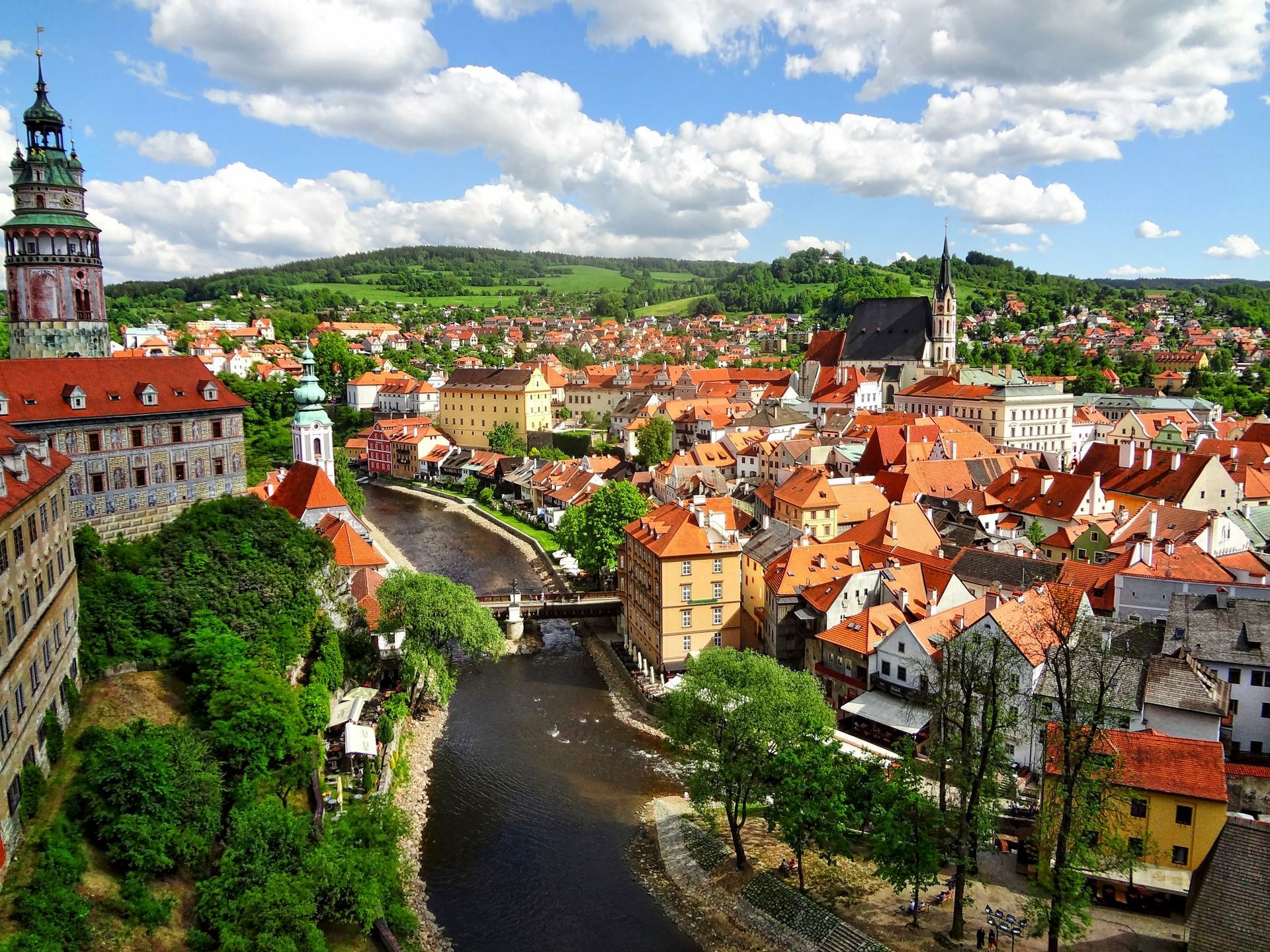
Český Krumlov is about 240 km (150 miles) from Brno, roughly 3 hours each way. See what the day looks like, the Telč stop and when to stay overnight instead.

Czechia uses the koruna, not the euro. Learn how cards, cash and tipping work, plus practical tips for your tour in Brno and South Moravia.
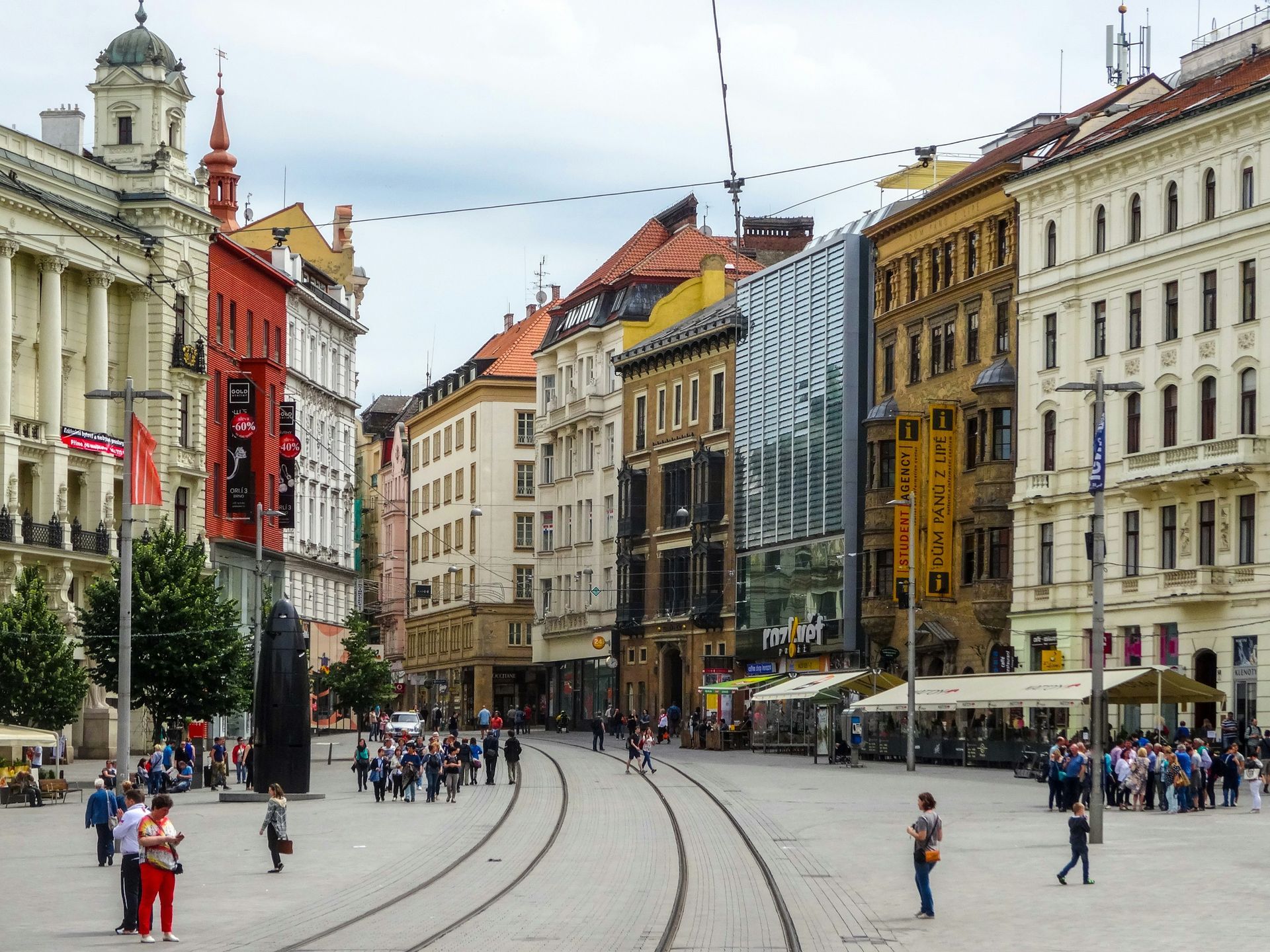
Kraków to Brno is about 340 km by road and there is no direct train. See travel times, stops worth making and how a private transfer compares.
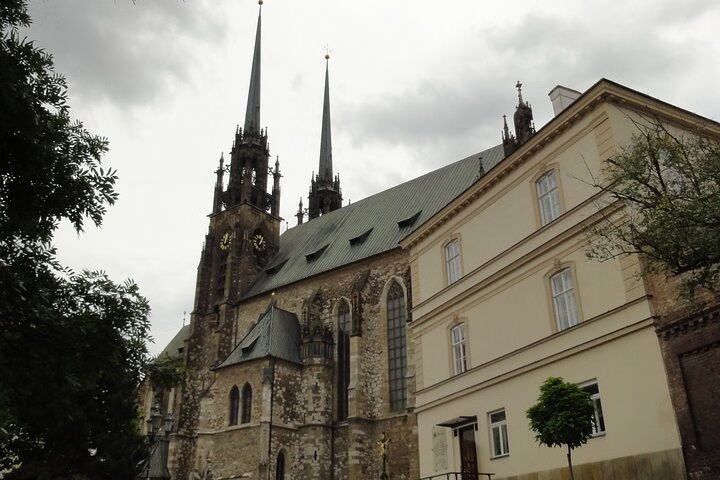
Plan one day in Brno: the dragon at the Old Town Hall, the astronomical clock at 11:00, the ossuary, Špilberk Castle and Villa Tugendhat.

Burčák is Moravia's partly fermented young wine, sold only from August 1 to November 30. See what it tastes like, how to drink it and where to try it.
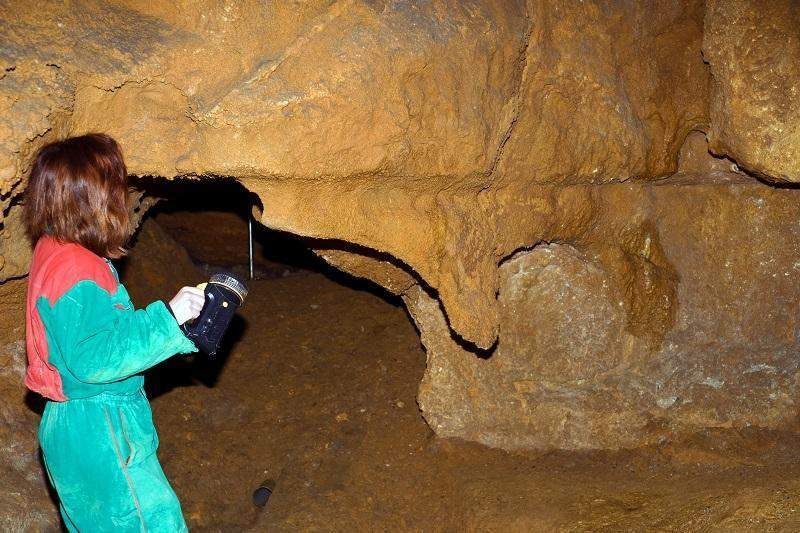
Five cave systems are open to visitors in the Moravian Karst. Compare Punkva, Balcarka, Kateřinská
and others, and see how to fit them into one day.
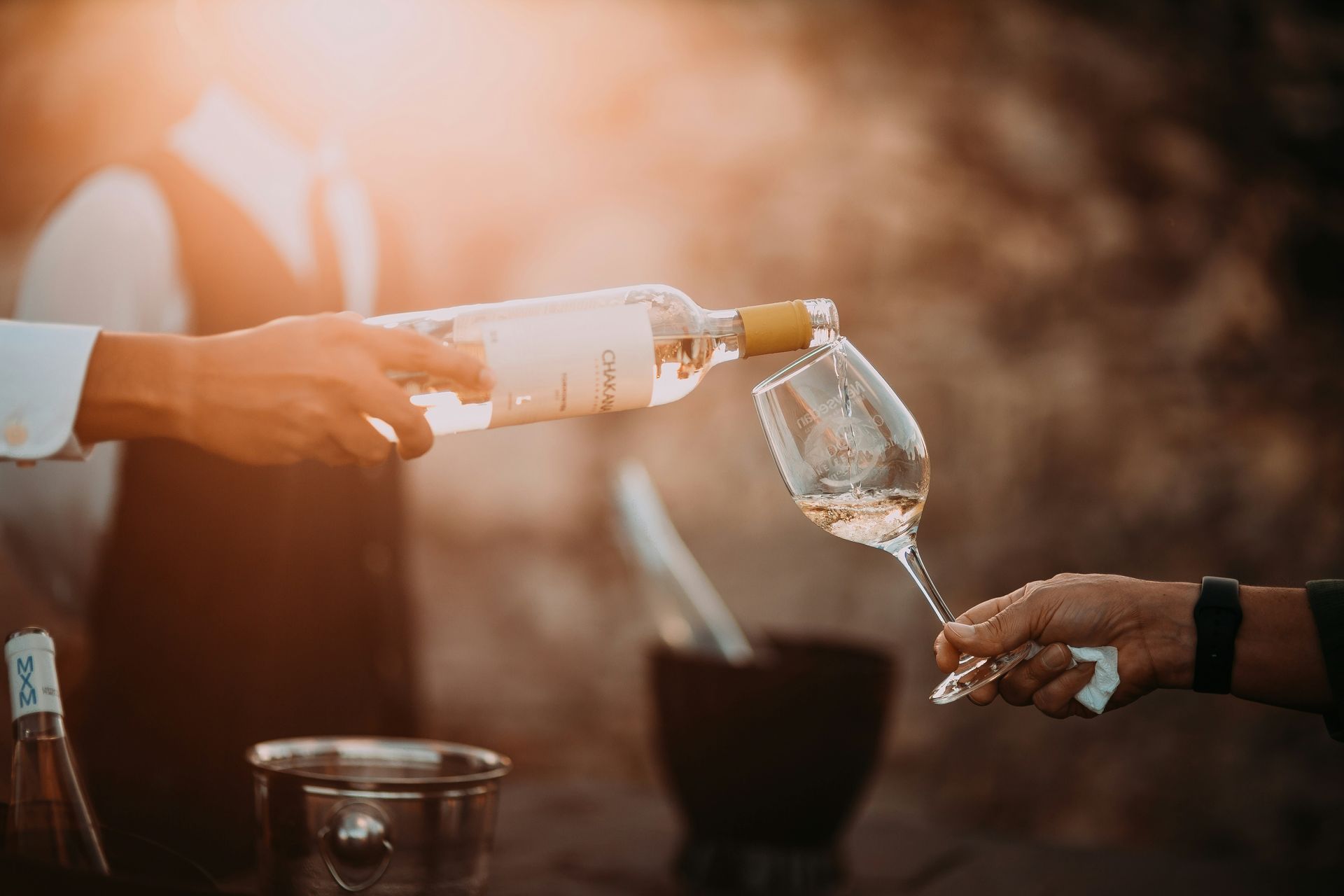
Group tasting Moravian wine in a traditional cellar
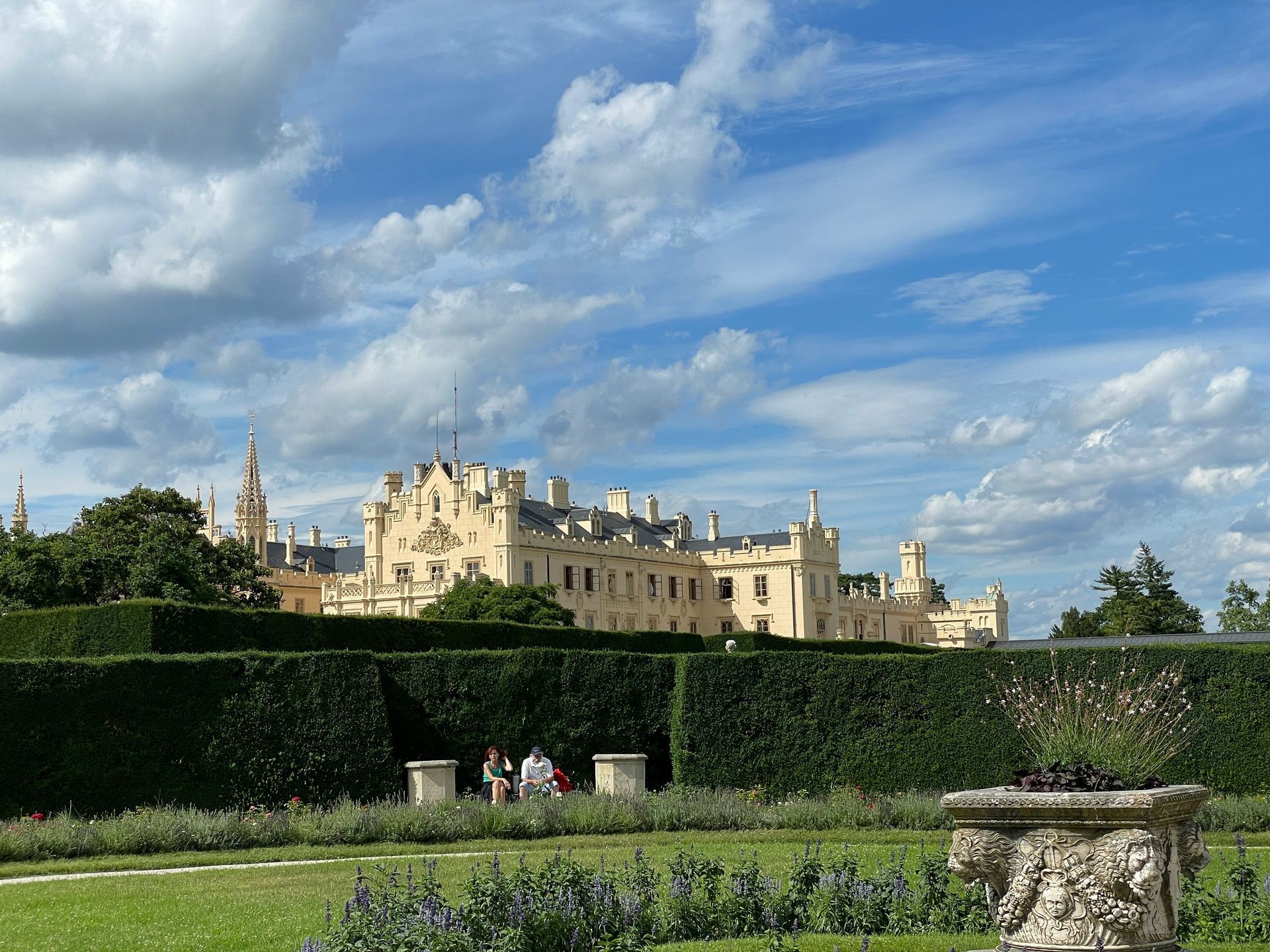
Lednice has the Tudor Gothic château and gardens; Valtice has the Baroque castle and the
national Wine Salon. See how to plan both in one relaxed day.
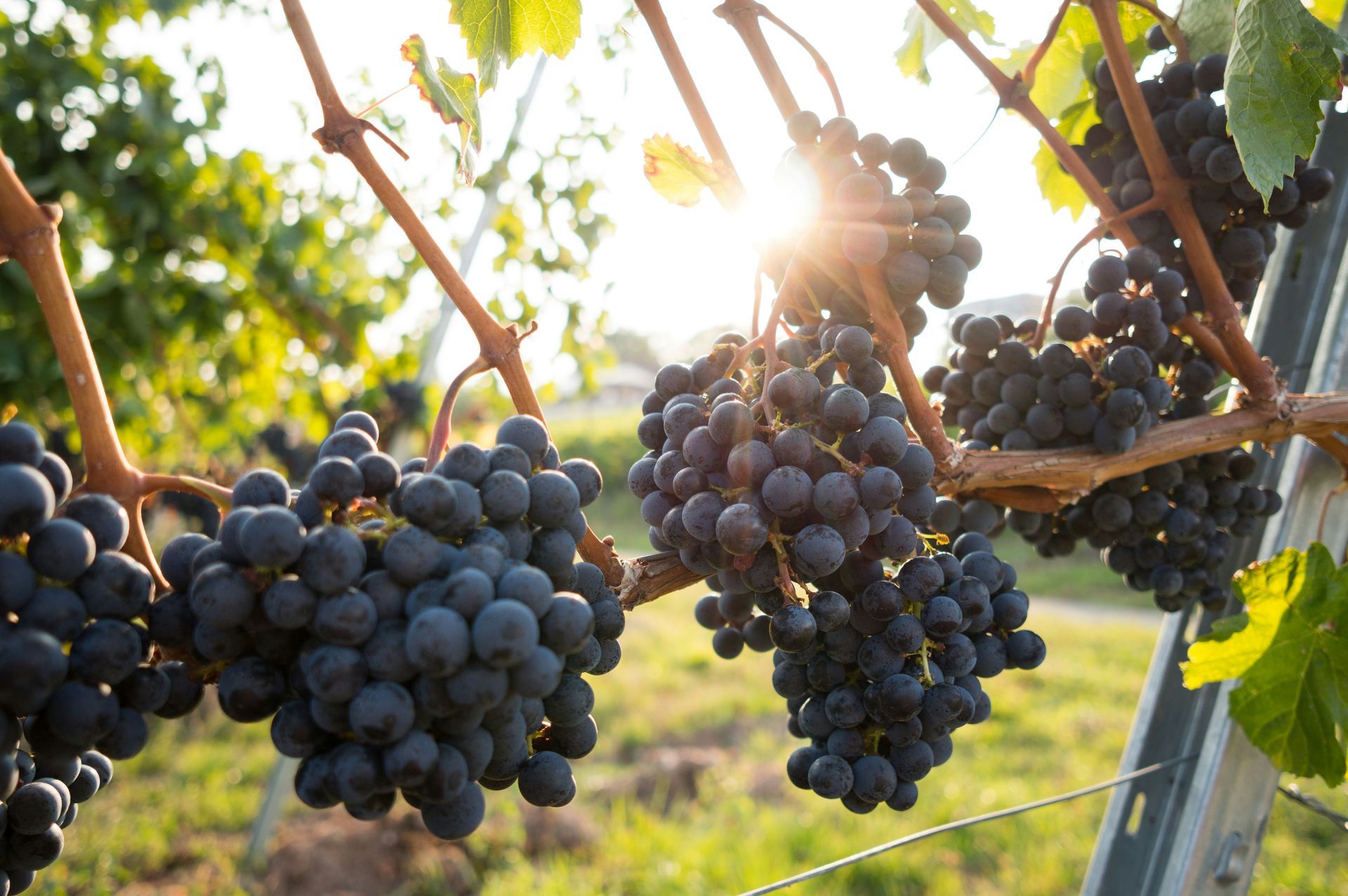
Moravia grows about 96% of Czech wine. Learn the four subregions, the grapes to try, from
Grüner Veltliner to Pálava, and how to taste them on tour.