
Where an Empire Was Decided: The Battle of Austerlitz Battlefield Guide (2026)
Ivo Salay • September 9, 2026
Twenty kilometres from Brno, three emperors changed the map of Europe
On 2 December 1805, the rolling farmland east of Brno became the stage for one of the most studied battles in military history: the Battle of Austerlitz, still remembered as the Battle of the Three Emperors. On one side stood Napoleon Bonaparte's Grande Armée; on the other, the combined forces of Austrian Emperor Francis I and Russian Tsar Alexander I. By the end of the day, Napoleon had won his most celebrated tactical victory and the town the battle takes its German name from, Slavkov u Brna, has been shaping how the world remembers it ever since.
For anyone based in Brno, this is one of the most rewarding half-day or full-day excursions available: an open battlefield you can actually walk, a genuinely moving memorial, and a baroque chateau where the fighting's political aftermath played out within days.
The battle in brief
Napoleon deliberately weakened his own right flank to lure the Austro-Russian army into attacking the Pratzen Heights, the high ground at the centre of the battlefield, then threw the bulk of his army back through the gap this created, splitting the allied forces in two. The manoeuvre is still taught at military academies today as a textbook example of using apparent weakness as a trap. By evening, the allied army was in retreat, and the battle had cost an estimated 16,000–17,000 casualties combined.
The Cairn of Peace (Mohyla míru)
A few kilometres west of Slavkov, on the low hills where the fiercest fighting took place, stands the Cairn of Peace a memorial built in the early 20th century specifically to commemorate all soldiers who died at Austerlitz, regardless of which flag they fought under. It remains the emotional centre of any visit: a quiet, deliberately unpartisan monument in the middle of open countryside, with a small museum in its crypt covering the battle's tactics, uniforms and aftermath.
Slavkov Chateau: where the armistice was signed
Napoleon did not simply win the battle and move on. He spent the following days at the baroque Slavkov Chateau, for centuries the residence of the Kounic noble family and it was here, in the chateau's oval Historical Hall, that the armistice between France and Austria was negotiated just days after the fighting stopped. The hall is famous today not only for that history but for its unusual acoustics, and the chateau's underground level houses a further exhibition on the battle alongside a lapidarium and a reconstructed torture chamber. The chateau grounds also include an extensive garden, part of which today overlaps with a golf course.
Slavkov Chateau is open seasonally from late March to early December, Tuesday to Sunday (daily in June–August), with guided tours only, the first tour typically starts at 10:00 and the last admission is an hour before closing.
Every year, the battle comes back to life
Late November brings the town's biggest event: a large-scale re-enactment weekend that draws well over a thousand costumed participants from across Europe, along with cavalry, artillery demonstrations, and an evening parade in Slavkov itself, culminating in a commemorative ceremony at the Cairn of Peace. If your visit to Moravia lines up with this weekend, it is worth building the whole day trip around it.
Practical tips for visiting
The Austerlitz battlefield sites are spread across several villages — Slavkov, Tvarožná, Prace, Sokolnice, which makes a private car genuinely useful rather than a luxury: public transport connects the town of Slavkov to Brno reasonably well, but reaching the Cairn of Peace itself and threading between the different battlefield stops without your own transport eats up most of a day. Combining Austerlitz with the UNESCO towns of Kroměříž and Olomouc on the same day, as many visitors do, is realistically only comfortable with a private driver-guide, given the distances involved.

Trace your Czech roots in Moravia: find your ancestors' village, search the parish registers online in ActaPublica and plan a heritage trip from Brno.
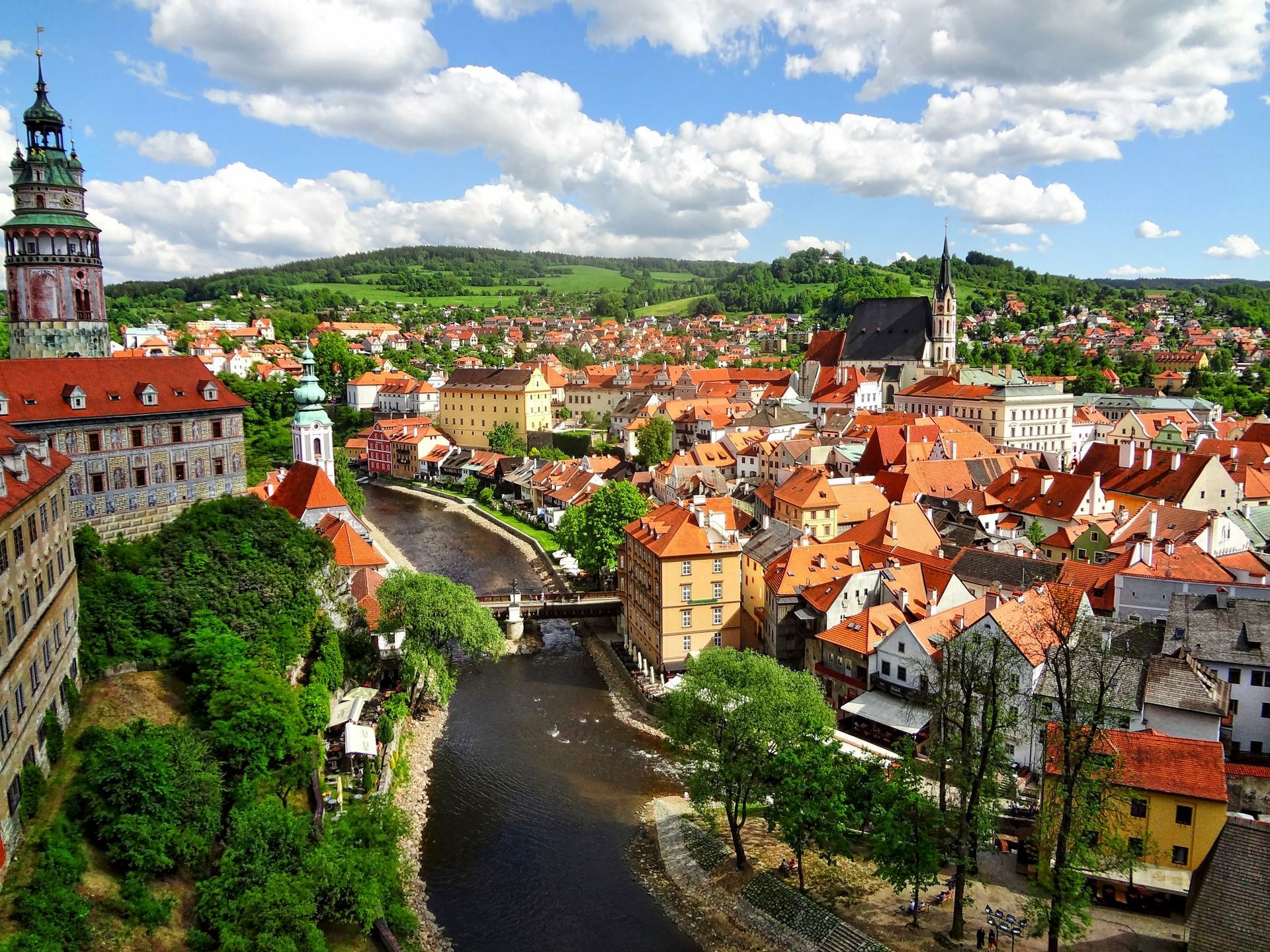
Český Krumlov is about 240 km (150 miles) from Brno, roughly 3 hours each way. See what the day looks like, the Telč stop and when to stay overnight instead.

Czechia uses the koruna, not the euro. Learn how cards, cash and tipping work, plus practical tips for your tour in Brno and South Moravia.
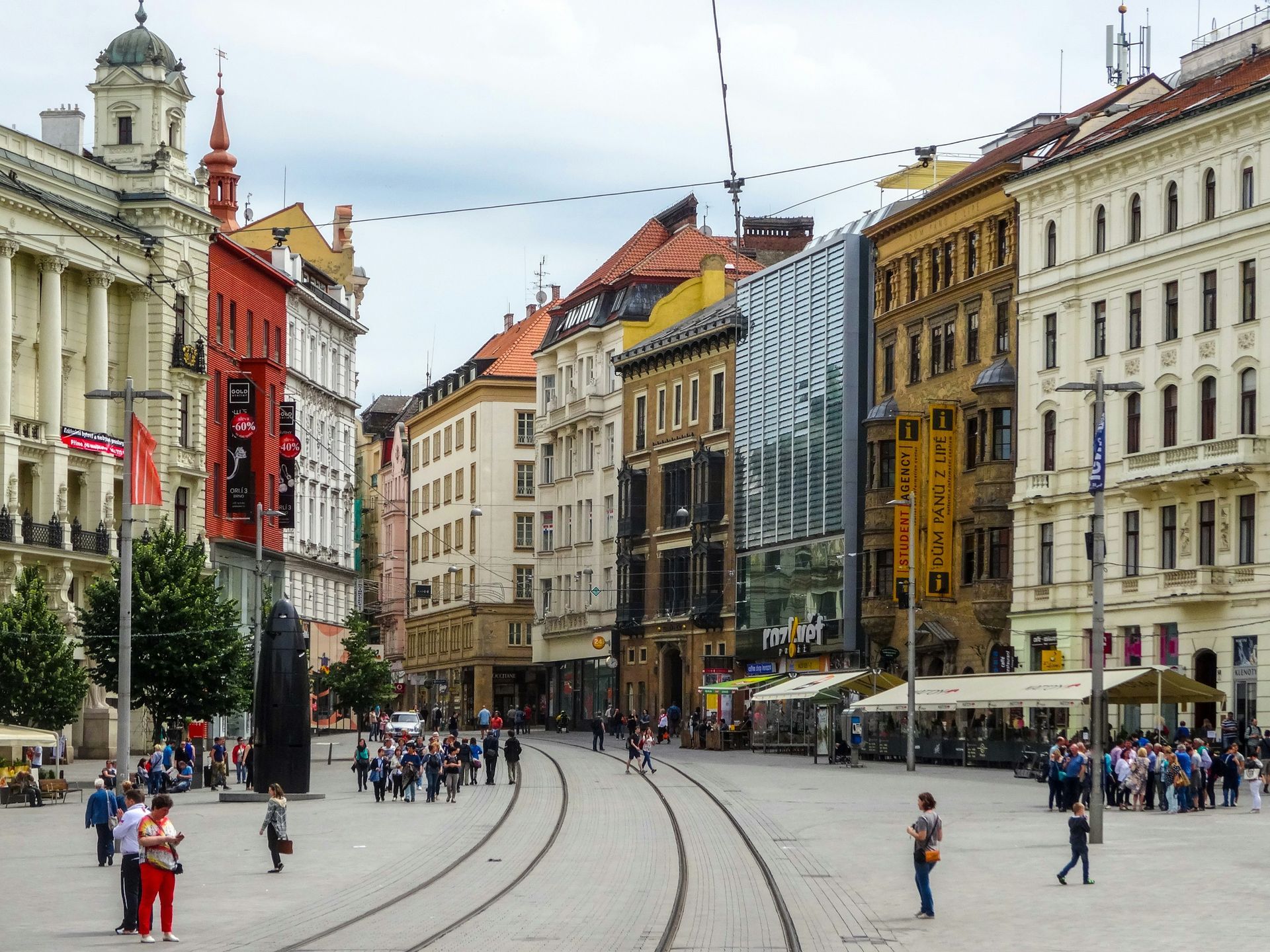
Kraków to Brno is about 340 km by road and there is no direct train. See travel times, stops worth making and how a private transfer compares.
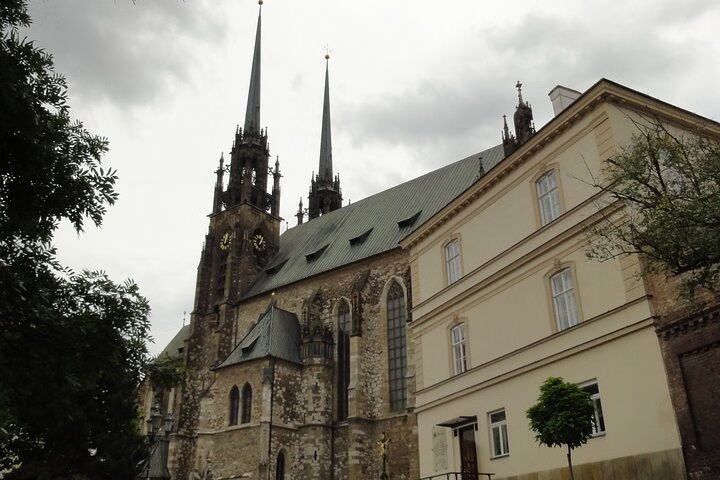
Plan one day in Brno: the dragon at the Old Town Hall, the astronomical clock at 11:00, the ossuary, Špilberk Castle and Villa Tugendhat.

Burčák is Moravia's partly fermented young wine, sold only from August 1 to November 30. See what it tastes like, how to drink it and where to try it.
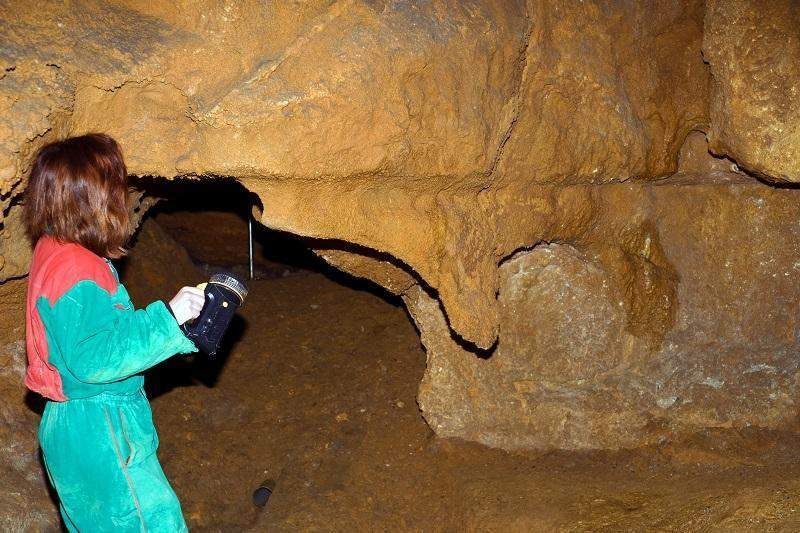
Five cave systems are open to visitors in the Moravian Karst. Compare Punkva, Balcarka, Kateřinská
and others, and see how to fit them into one day.
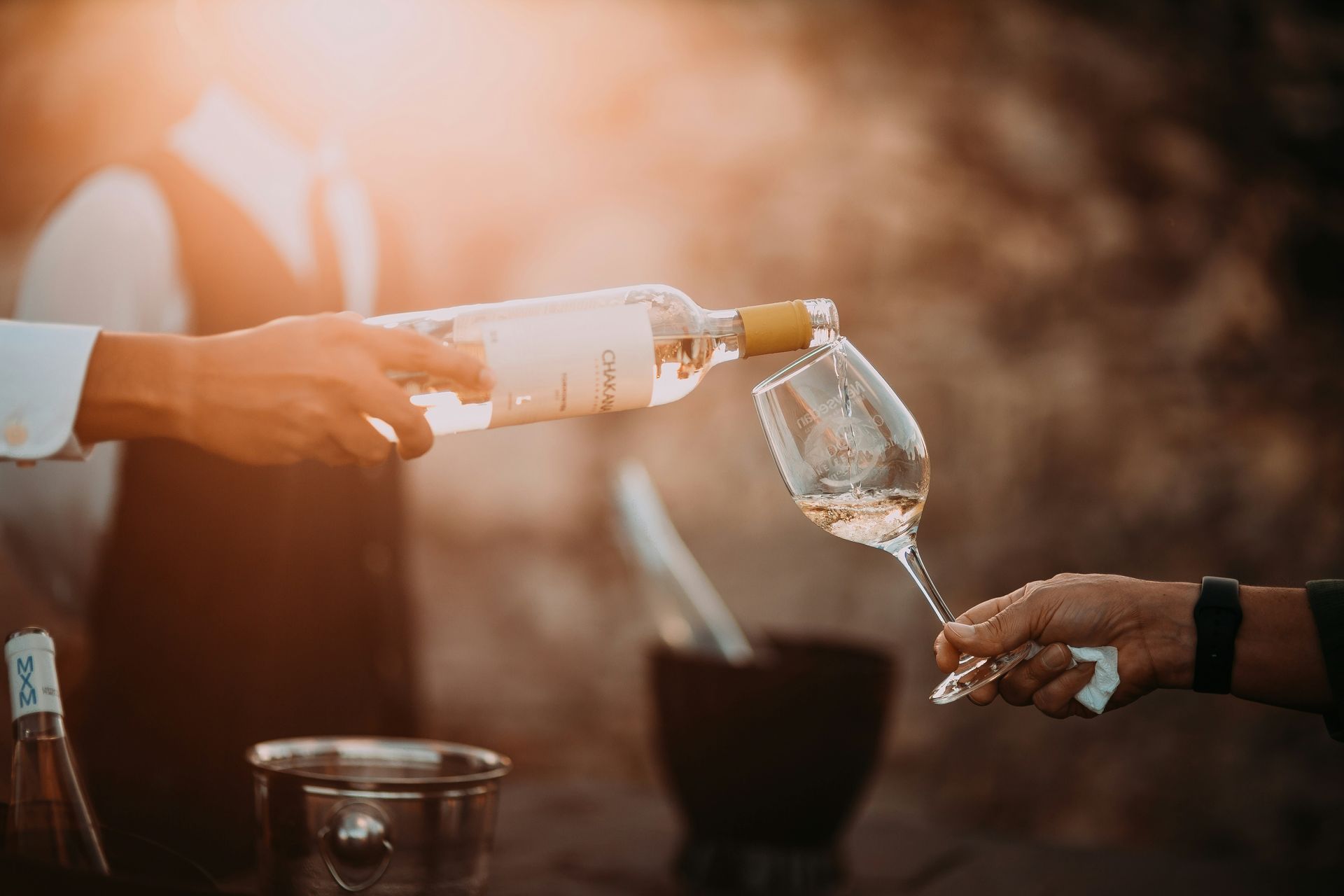
Group tasting Moravian wine in a traditional cellar
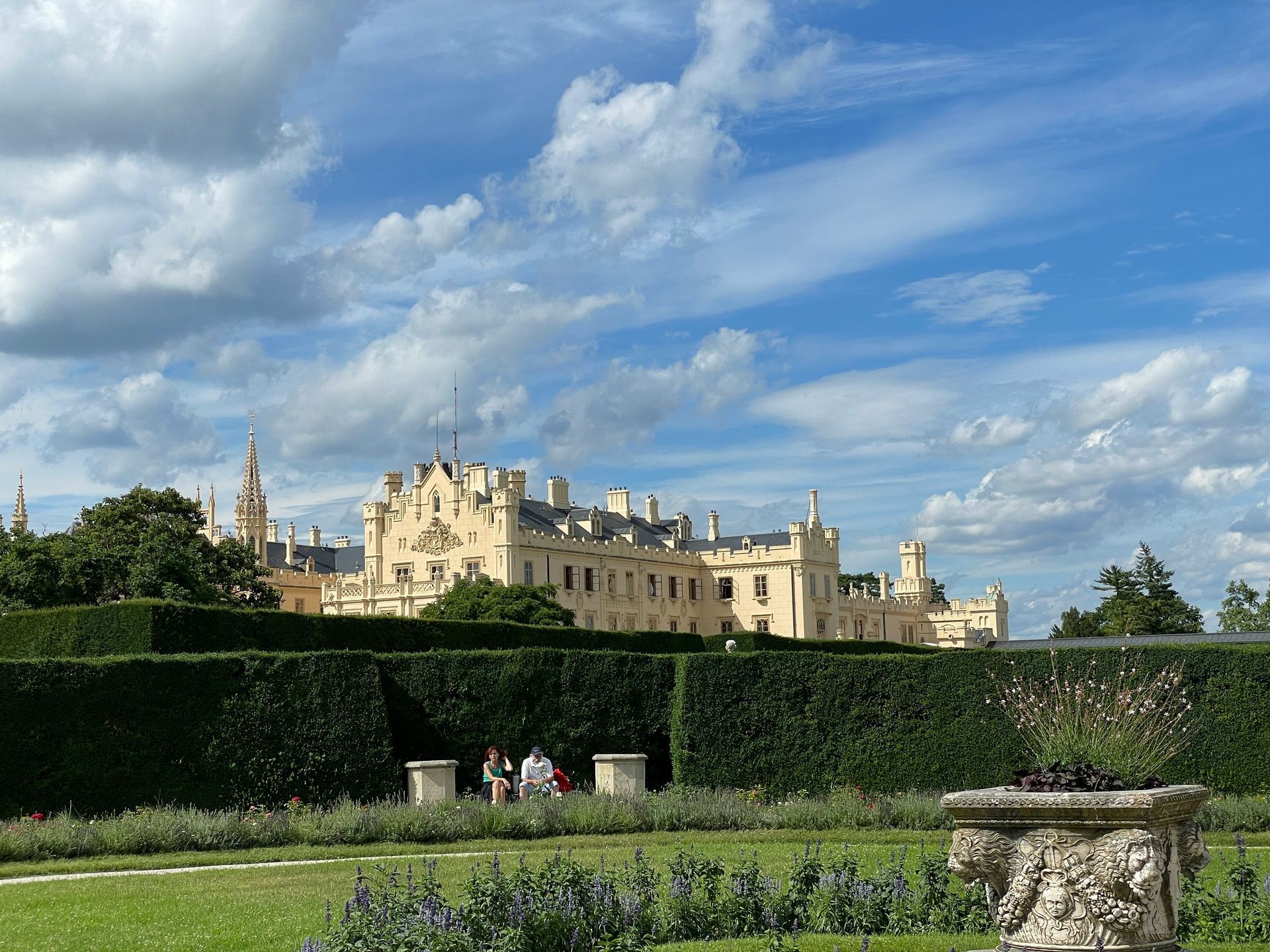
Lednice has the Tudor Gothic château and gardens; Valtice has the Baroque castle and the
national Wine Salon. See how to plan both in one relaxed day.
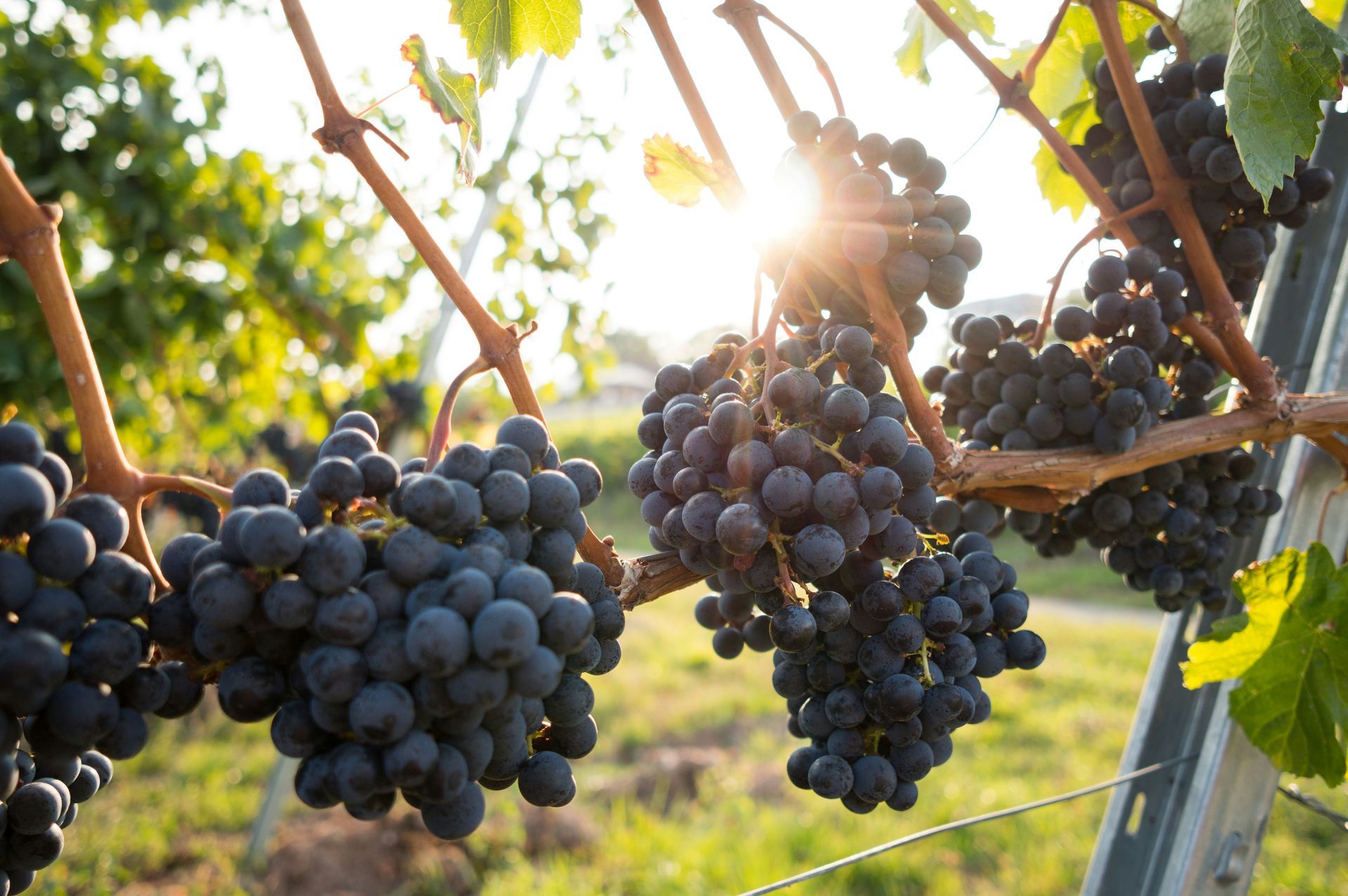
Moravia grows about 96% of Czech wine. Learn the four subregions, the grapes to try, from
Grüner Veltliner to Pálava, and how to taste them on tour.