
The Garden of Moravia: Why Kroměříž's UNESCO Gardens Belong on Your Itinerary (2026 Guide)
Ivo Salay • September 11, 2026
A town built by bishops, and still shaped by their gardens
Kroměříž has a nickname that does a rare thing: it actually undersells the place. Locals call it the "Pearl of Moravia" or the "Garden of Moravia," and the description is earned by a single UNESCO World Heritage listing that covers three connected sights: the Archbishop's Chateau, its vast English-style Chateau Garden, and the smaller, jaw-droppingly formal Flower Garden across town. Together they have been on UNESCO's list since 1998, putting Kroměříž in the same company as Prague and Český Krumlov for architectural importance, despite being one of the least crowded UNESCO towns in the country.
A town shaped by the bishops of Olomouc
Kroměříž's history is inseparable from the Catholic Church. First recorded under its Latin name Cromesir in 1141, it became a town in 1260 under Olomouc bishop Bruno von Schauenburg, who built a Gothic castle on the site of today's chateau as the bishopric's principal summer residence. The town suffered badly during the Thirty Years' War, including repeated plundering by Swedish troops, but recovered decisively under Bishop Karl II von Liechtenstein-Kastelkorn in the second half of the 17th century, the man responsible for rebuilding the castle into a genuinely luxurious residence and laying out the Flower Garden behind the town walls.
The Archbishop's Chateau: a surprise Titian
The Archbishop's Chateau today is fully furnished and open to guided tours, its rooms tracing several centuries of decorative styles. Its most talked-about feature, though, is the picture gallery: a private collection assembled by Bishop Karl II von Liechtenstein that includes an original by the Venetian master Titian, alongside works attributed to van Dyck and Lucas Cranach the Elder, a remarkably serious art collection to find inside a regional Moravian palace. The chateau's tower offers sweeping views over the town, the gardens, and the surrounding countryside, and film crews clearly agree the setting is special: the chateau and gardens have doubled for various historical productions over the years, including Miloš Forman's *Amadeus*.
The Flower Garden: a masterpiece of geometry
If the chateau is the town's grandest building, the Flower Garden (Květná zahrada) is its most extraordinary outdoor space. Laid out in the mid-17th century on a strict rectangular axis roughly 300 by 485 metres, it represents a transitional style between late-Renaissance Italian gardens and the classical French baroque gardens exemplified by Versailles, and is considered unmatched anywhere else in Europe for its period and preservation. A long colonnade lined with statues of ancient gods runs along one side; at its centre stands a domed rotunda; and precisely clipped hedges, fountains and floral parterres fill the rest. Give it at least an hour to walk properly.
The second garden, the Chateau Garden (Podzámecká zahrada) behind the palace itself, is a completely different mood: a 64-hectare English-style landscape park with mature trees, follies and quiet walking paths, the ideal spot to slow down after the Flower Garden's precision.
Making the most of a visit
Kroměříž sits roughly equidistant between Brno, Olomouc and the Austerlitz battlefield, which is exactly why it works so well as the middle stop on a single long day trip: battlefield in the morning, Kroměříž's gardens around midday, Olomouc's UNESCO square in the afternoon. On its own, without a car, Kroměříž is reachable from Brno by regional train in around an hour, but connecting it onward to Olomouc or back via Austerlitz on public transport adds hours of waiting that a private day trip simply skips.

Czechia uses the koruna, not the euro. Learn how cards, cash and tipping work, plus practical tips for your tour in Brno and South Moravia.
Kraków to Brno is about 340 km by road and there is no direct train. See travel times, stops worth making and how a private transfer compares.
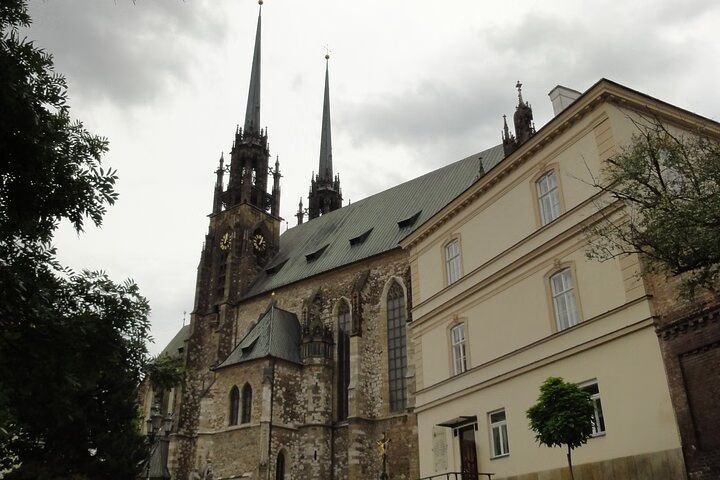
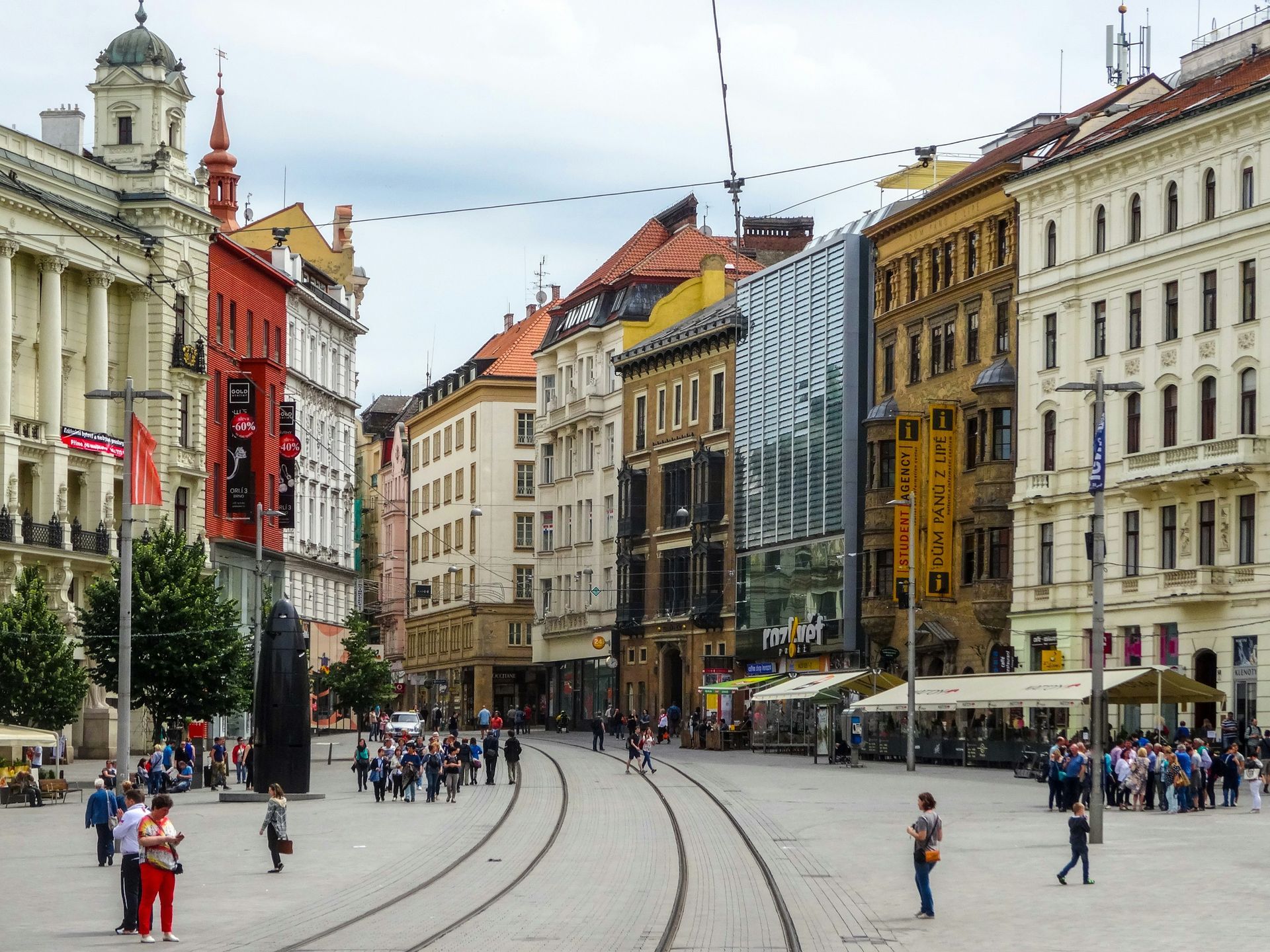
Plan one day in Brno: the dragon at the Old Town Hall, the astronomical clock at 11:00, the ossuary, Špilberk Castle and Villa Tugendhat.

Burčák is Moravia's partly fermented young wine, sold only from August 1 to November 30. See what it tastes like, how to drink it and where to try it.
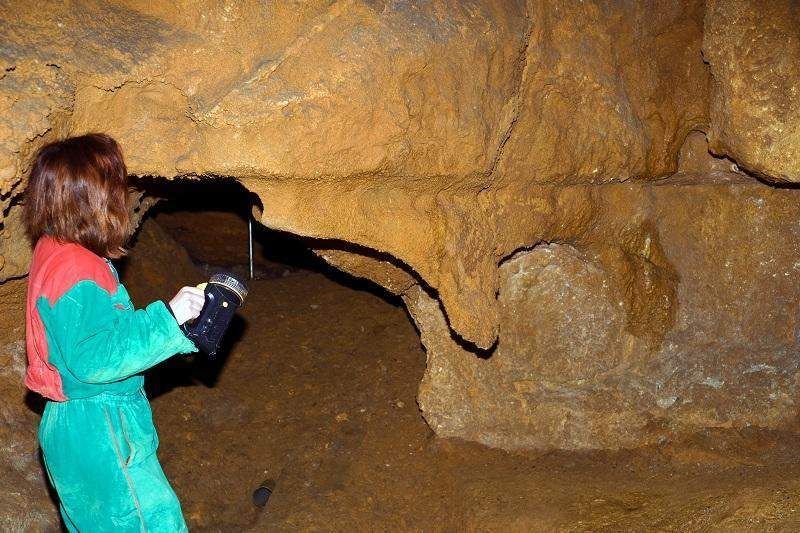
Five cave systems are open to visitors in the Moravian Karst. Compare Punkva, Balcarka, Kateřinská
and others, and see how to fit them into one day.

Group tasting Moravian wine in a traditional cellar
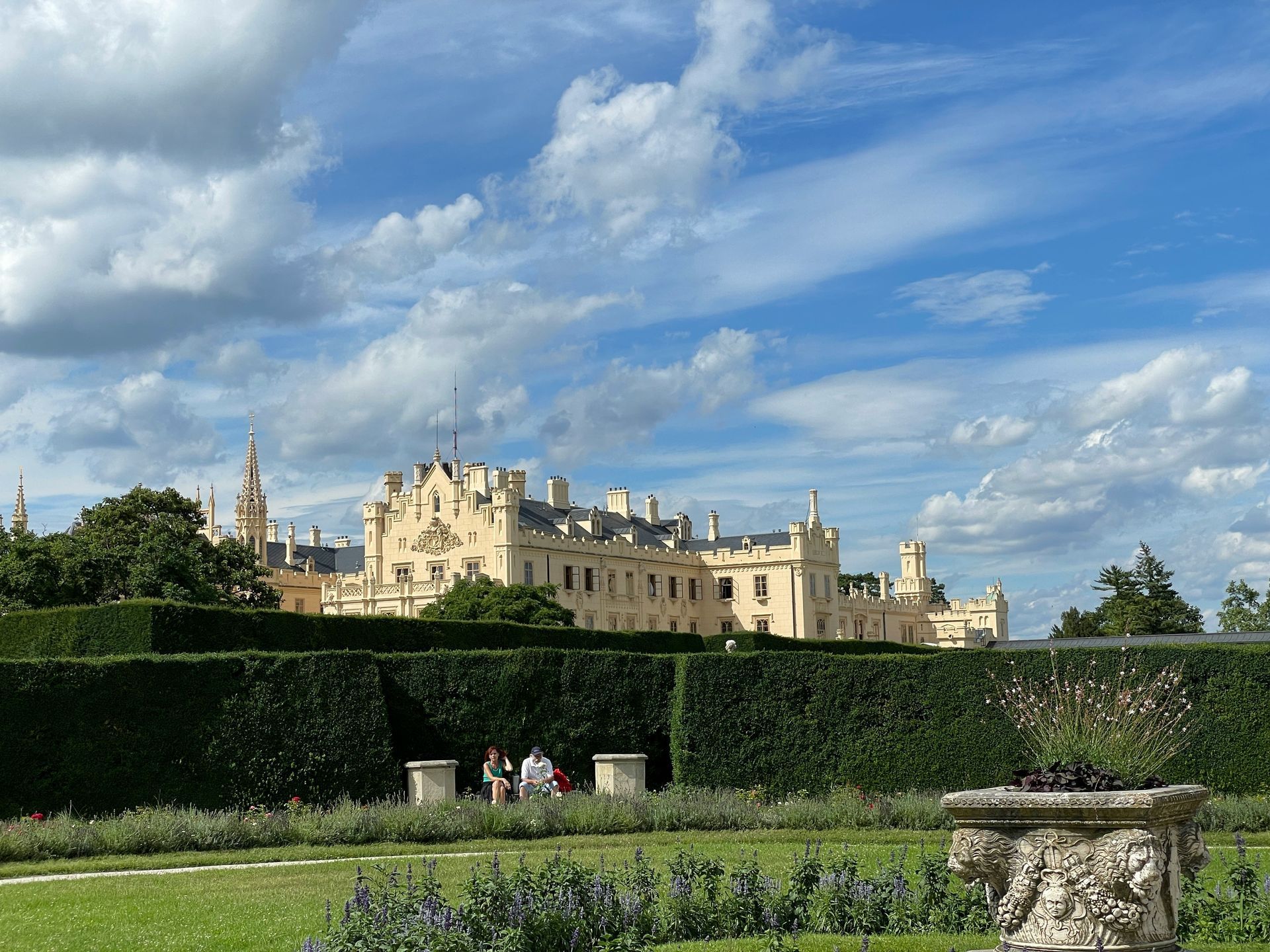
Lednice has the Tudor Gothic château and gardens; Valtice has the Baroque castle and the
national Wine Salon. See how to plan both in one relaxed day.
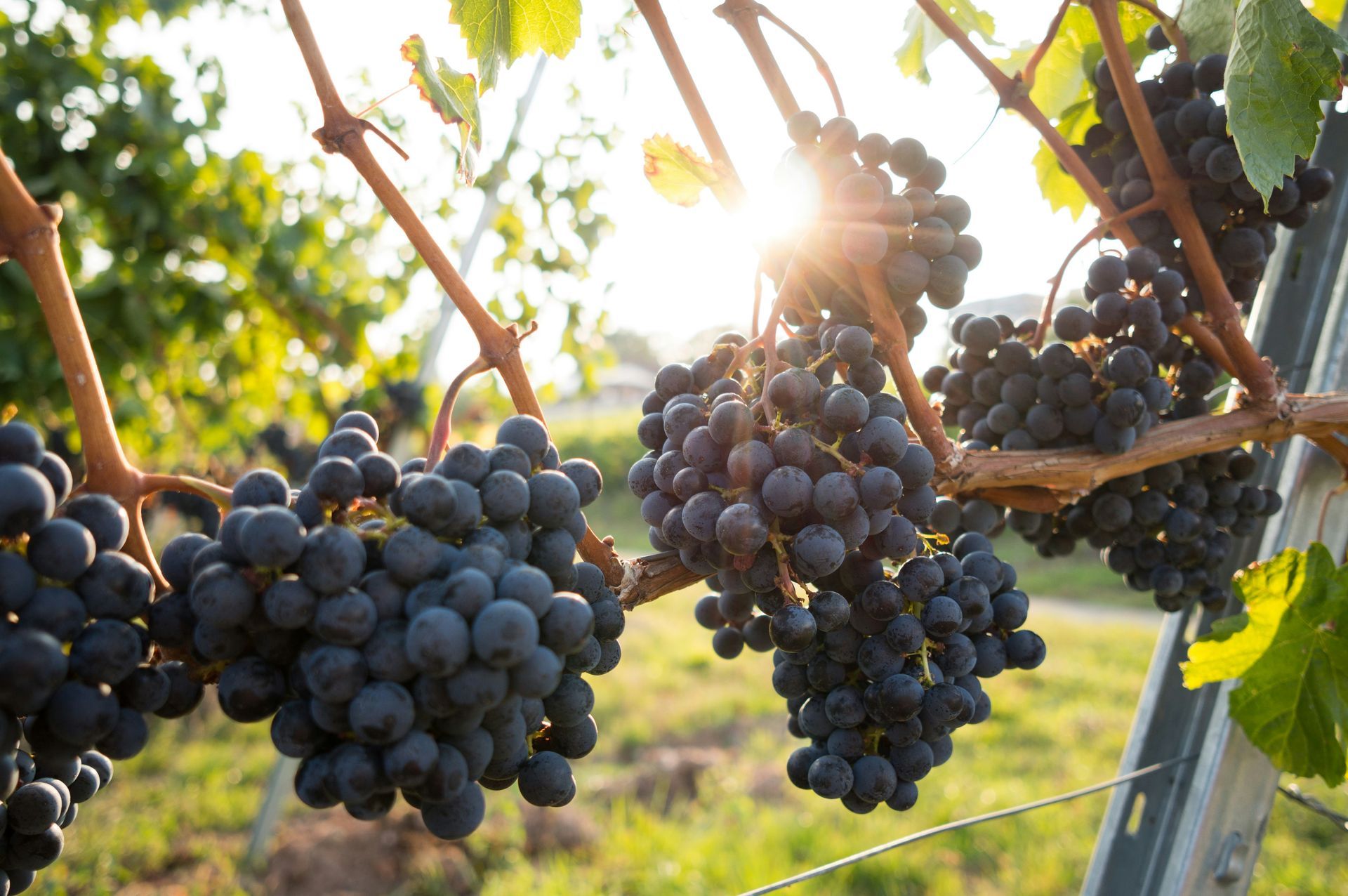
Moravia grows about 96% of Czech wine. Learn the four subregions, the grapes to try, from
Grüner Veltliner to Pálava, and how to taste them on tour.
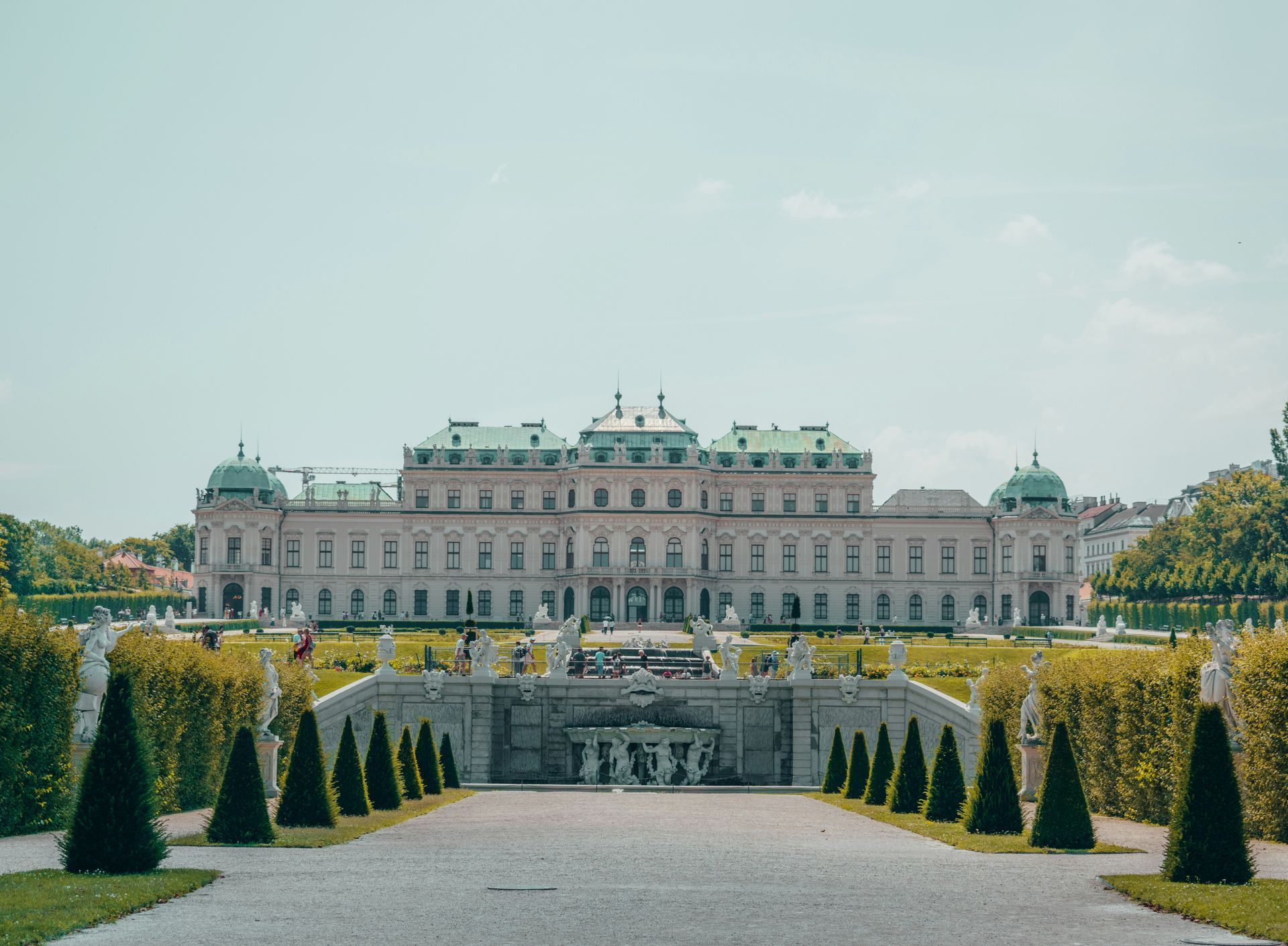
Brno to Vienna is about 1.5 hours by train and 1.5–2 hours by road. Compare the train with a
private door-to-door transfer and choose what fits your trip.
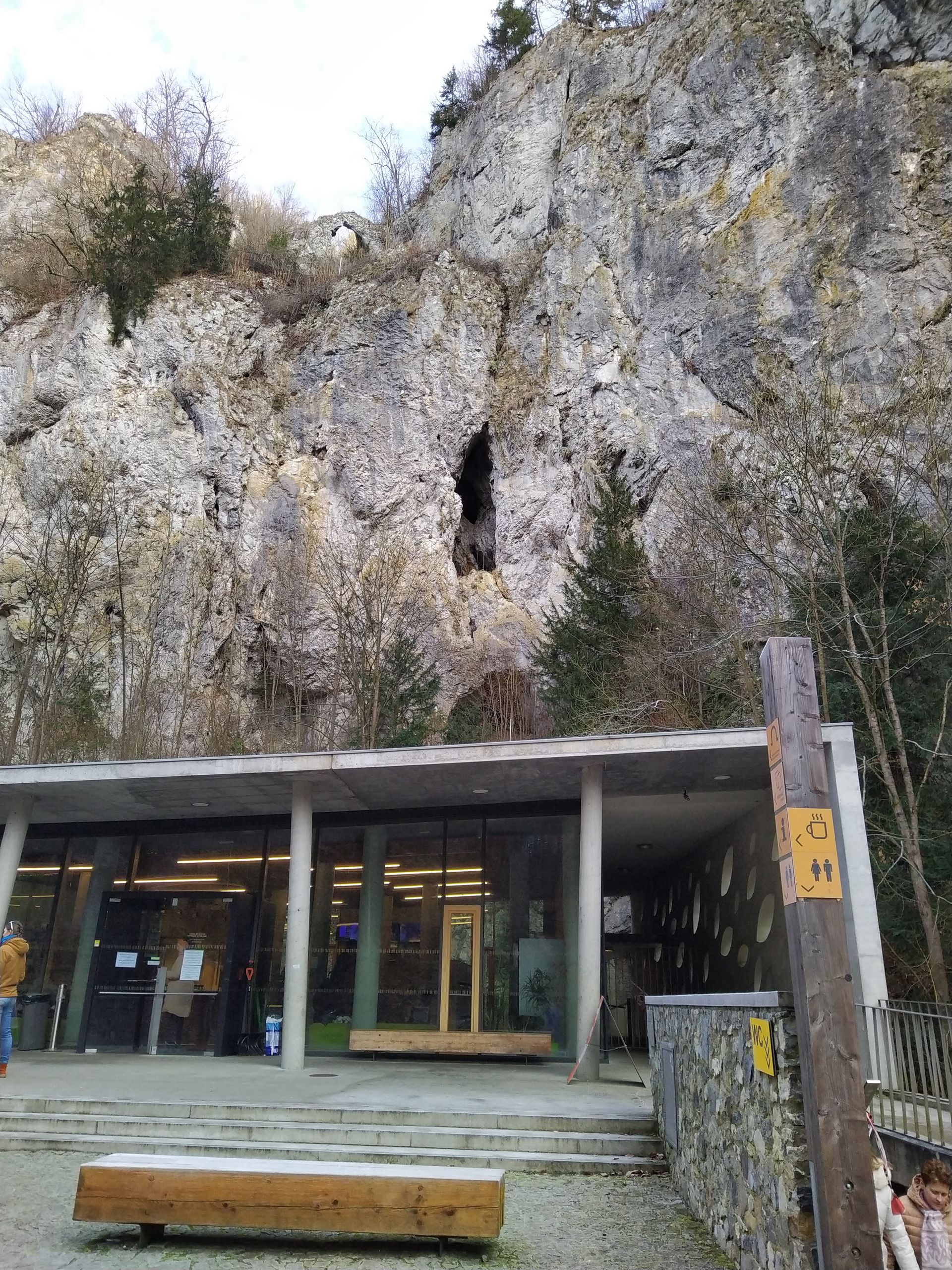
Everything to know before visiting the Punkva Caves and Macocha Abyss in the Moravian Karst: the underground boat ride, the abyss depth, booking tips and how to get there from Brno.