St. Martin's Day in the Czech Republic: What to Know Before November 11
The short answer: St. Martin's Day falls on November 11. In the Czech Republic it means roast goose and Svatomartinské, the first young wine of the new harvest. In 2026, November 11 is a Wednesday, so under the Czech Wine Fund's rules the new St. Martin's wines can go on sale that day, not earlier. Some towns open them in public with a toast, Český Krumlov at 11:11.
Carcatta Highlights
- November 11 is the feast of St. Martin of Tours, the soldier who cut his cloak in half for a beggar.
- Roast goose is the classic St. Martin's dish. Legend says honking geese once gave Martin away, but the end of the farming year is the more practical reason.
- Svatomartinské is the Czech answer to Beaujolais Nouveau. About two million bottles are sold every year.
- Every wine with the St. Martin label has passed an official blind tasting in Valtice, South Moravia.
Who was St. Martin?
Martin of Tours, who died in 397, served in the Roman army as a young man, was baptized at 18 and later became bishop of Tours in Gaul. He is best known for the story of the cloak: while still a soldier, he cut it in half and shared it with a beggar. His feast day is November 11, and across Europe it used to mark the end of the farming year.
Why geese? Blame the geese
According to one legend, Martin was hiding from people who were looking for him, and the honking of geese gave him away, so the goose ends up on the plate as payback. The real reason is probably more practical: the feast marked the end of the farming year, and it was followed by weeks of fasting before Christmas, so it was the last big meal with plenty of meat.
In the Czech Republic, many restaurants put special St. Martin's menus with roast goose on in the days around November 11. People also eat svatomartinské rohlíčky, St. Martin's rolls, and some towns hold processions, sometimes with lanterns.
There is also a weather proverb every Czech knows: "Martin přijíždí na bílém koni" , Martin is coming on a white horse. It refers to the first snow, which by tradition arrives around his feast day.
What is Svatomartinské wine?
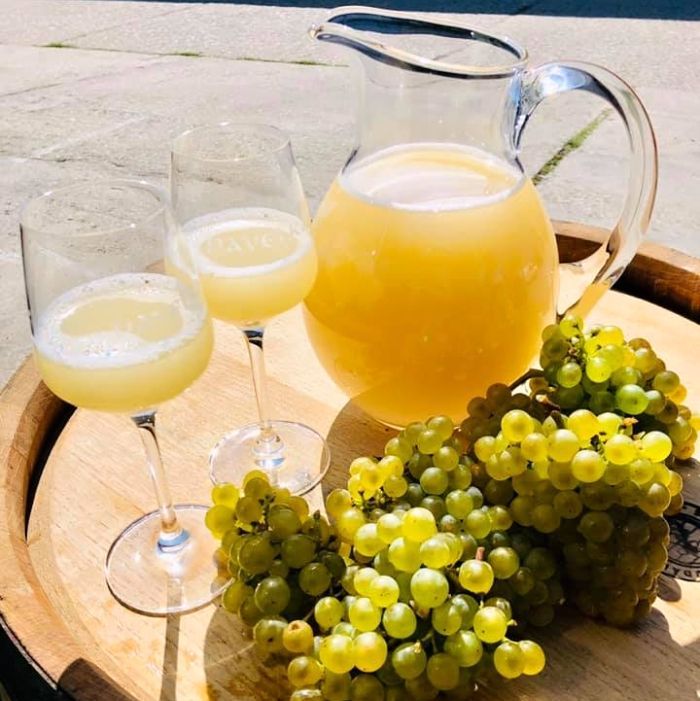
Svatomartinské (St. Martin's wine) is the first wine of each year's harvest: young, fresh, light and fruity. The custom of tasting the new wine on St. Martin's Day goes back centuries. Radio Prague notes records of it at the court of Emperor Joseph II in the 18th century.
The modern brand was revived in 2005 by the Czech Wine Fund, inspired by France's Beaujolais Nouveau. In the first year, 31 wineries made about 125,000 bottles. Today around two million bottles are sold every year.
- Approved grape varieties only: the wine must be made in the Czech Republic from grapes such as Müller Thurgau, Moravian Muscat, Blauer Portugieser, St. Laurent or Zweigelt. You will find whites, rosés and reds.
- Official tasting: each wine is tasted blind by a committee at the National Wine Center in Valtice and, since 2019, must score at least 80 points out of 100.
- Easy to spot: look for the label with St. Martin on horseback.
- Drink it young: winemakers recommend drinking it young, ideally before Easter, while it is still crisp and fresh.
When does St. Martin's wine go on sale in 2026?
Under the Czech Wine Fund's newer rules, first used in 2025, the start date depends on the day of the week. When November 11 falls between Saturday and Tuesday, sales may start on the Friday before. When it falls on a Wednesday, Thursday or Friday, sales start on November 11 itself.
In 2026, November 11 is a Wednesday, so the new St. Martin's wines go on sale on November 11.
The 11:11 toast: where it happens
You will often read that Czechs open the new wine at 11:11 on 11/11. It is a nice idea, but it is not a nationwide rule. Each town sets its own time:
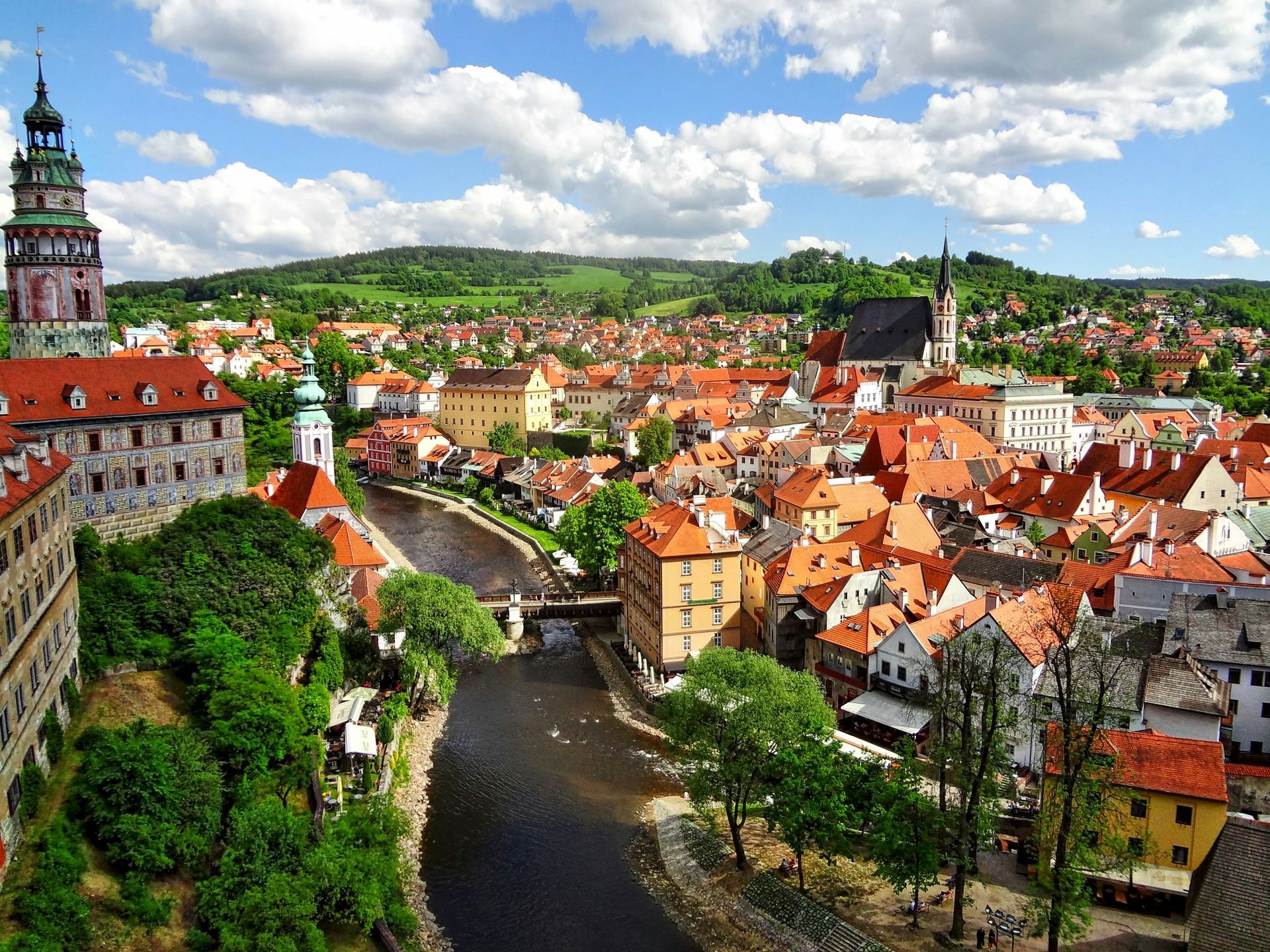
- Český Krumlov: on November 11, 2026, the town welcomes St. Martin and opens the new wine on Svornosti Square at 11:11, according to the event calendar on ckrumlov.info.
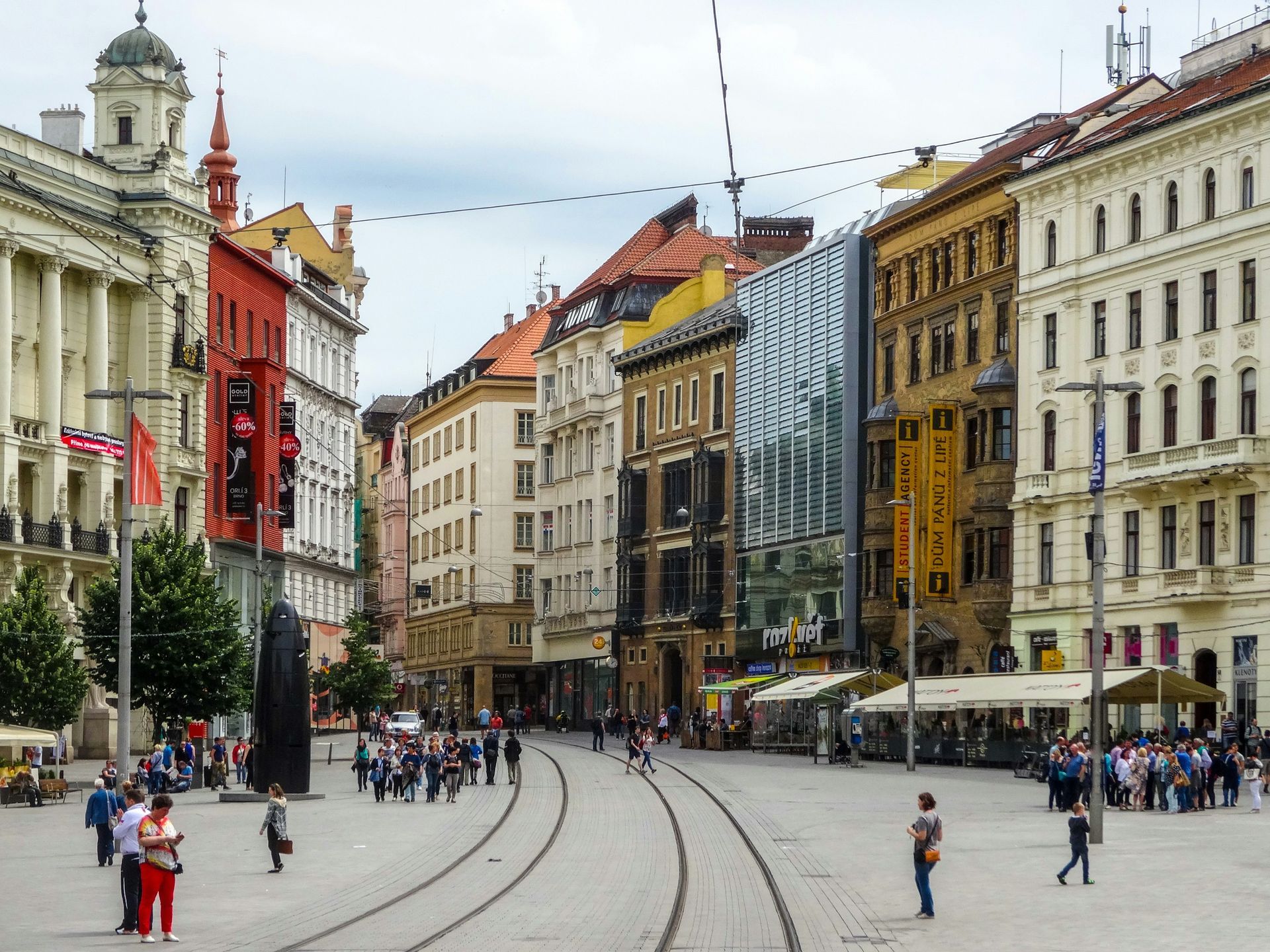
- Brno: in 2025, the festive opening on Freedom Square (náměstí Svobody) was announced for 11 a.m. Check the city's event listings for the 2026 program before you plan around it.
Carcatta Tips
- Popular restaurants fill up for St. Martin's goose menus, so book a table a few days ahead.
- Order a white, a rosé and a red St. Martin's wine by the glass and compare. They are light, so it is easy to try all three.
- Want to take a bottle home? Look for the St. Martin on horseback label, and remember the wine is meant to be enjoyed young.
- Visiting in October instead? That is burčák season, the half-fermented young wine you can only get at harvest time.
Celebrating St. Martin's Day in Moravia
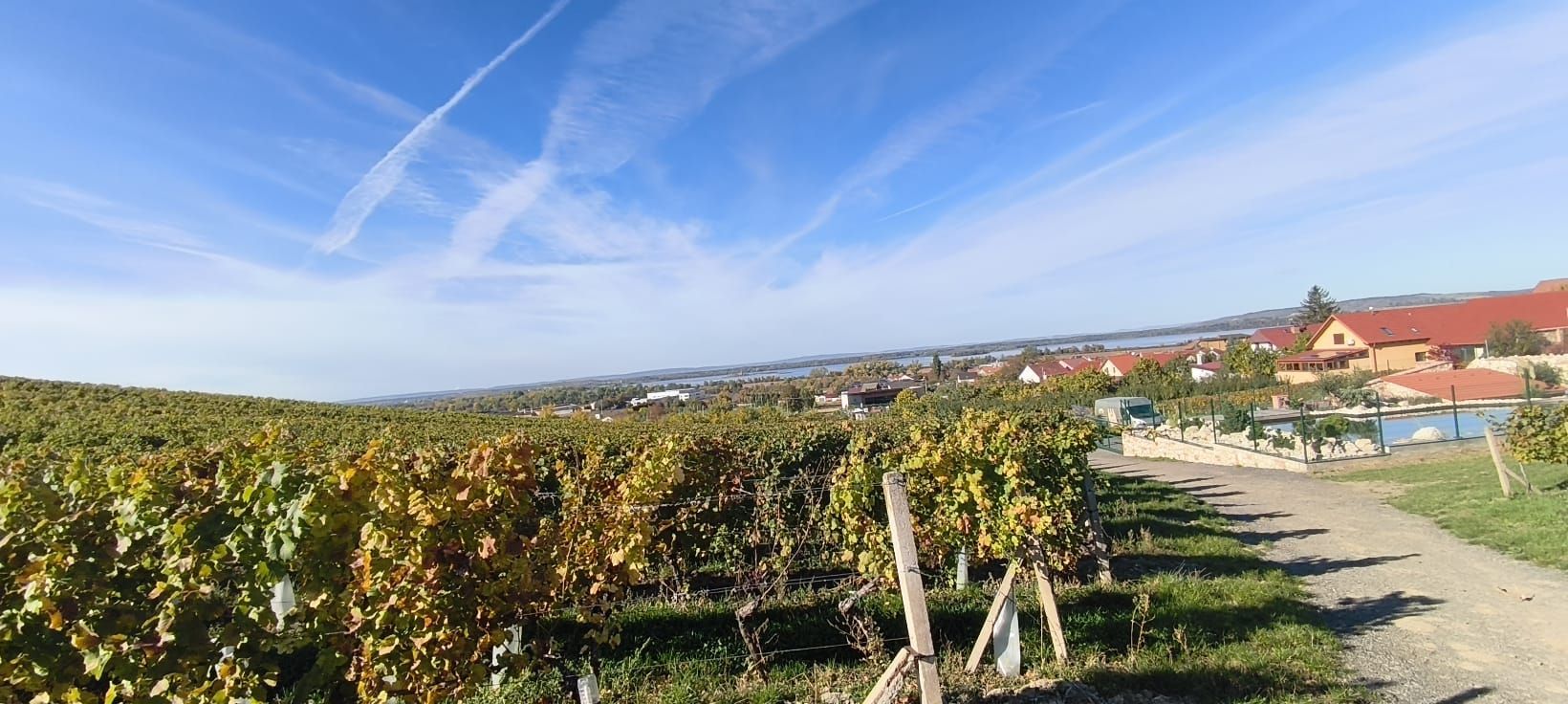
Most Czech wine is grown in Moravia, and the official St. Martin's tastings take place in Valtice, in the heart of the South Moravian wine country. Brno is a good base for the season: you can enjoy a goose dinner in the city and spend a day in the vineyards.
New to the region's wines? Start with our Moravian wine guide, read about burčák, the harvest-time young wine, and pick a cellar from the best wine tastings near Brno.
If you would rather leave the driving to someone else, our Wine & UNESCO Gems Tour from Brno takes you to Mikulov, the Lednice-Valtice Cultural Landscape and traditional wine cellars, with hotel pickup in Brno. Wine tastings are paid on site.
Frequently asked questions
When is St. Martin's Day in the Czech Republic?
On November 11, the feast day of St. Martin of Tours.
Why do Czechs eat goose on St. Martin's Day?
Legend says the honking of geese once gave Martin away. The more practical reason is that the feast marked the end of the farming year and was the last big meal with meat before the fast leading up to Christmas.
When can I buy St. Martin's wine in 2026?
From November 11, 2026. The date is a Wednesday, and under the Czech Wine Fund's rules sales then start on November 11 itself.
Is Svatomartinské the same as Beaujolais Nouveau?
No, but it was inspired by it. Svatomartinské is a Czech brand of young wine made only from approved grape varieties, and every wine must pass an official tasting.
How long does St. Martin's wine keep?
It is made to be drunk young. Winemakers recommend enjoying it ideally before Easter, while it keeps its crisp freshness.